
Kanchenjunga Circuit Trek Without a Guide Is Not as Easy as You Think
Remote, long, and culturally rich—this trek tests more than your legs

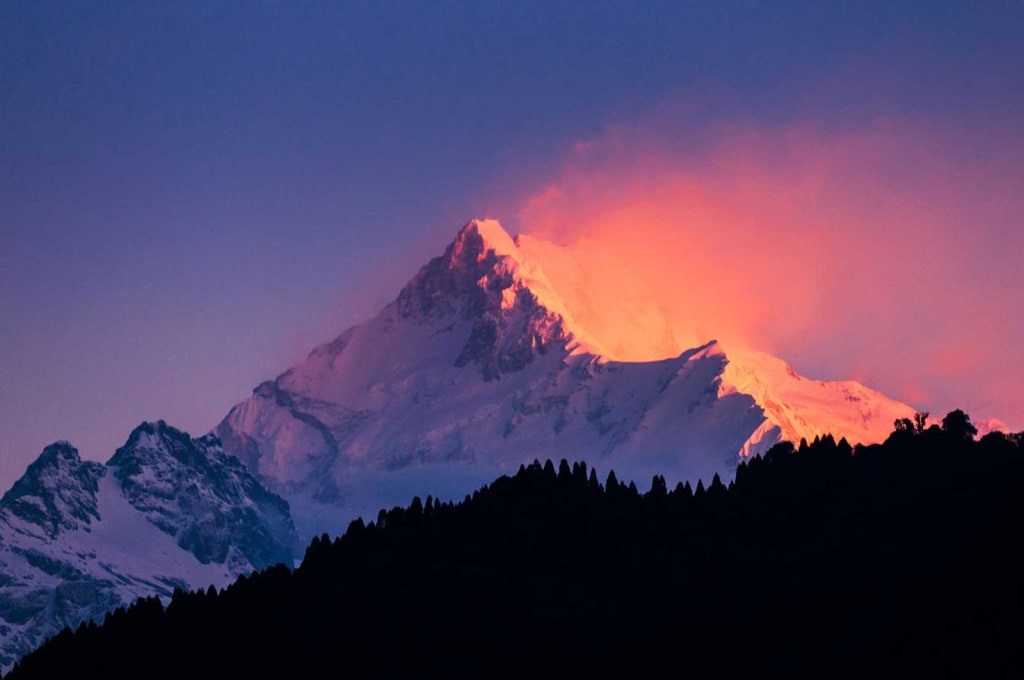
From the very first day, it became clear that Kanchanjunga trail was not like Annapurna or Everest. It is quiet, remote, and barely touched by modern tourism. Villages are spread out, paths are sometimes unclear, and locals often don’t speak much Nepali or English. Without a guide, I relied on old maps and my phone GPS, which stopped working in forested areas or cloudy weather. I had no one to confirm my route or help with directions, which led to backtracking more than once.
The Language Barrier Makes Every Step Harder
In many sections, especially after Sekathum and heading toward Ghunsa, I faced real communication issues. Locals were friendly but spoke Tibetan dialects. I couldn’t ask for directions, food preferences, or room availability clearly. A guide would have helped build that bridge. Instead, I stayed in silence or made random gestures hoping they understood. This created a gap between me and the people who could’ve helped the most.
Physical Distance Between Villages Can Break Your Plan
On the Kanchenjunga trail, you don’t find a village every hour. Sometimes it takes six or seven hours to reach the next stop, and if you miss your timing, you’re forced to camp or stay in uncomfortable shelters. I made the mistake of underestimating the distance between Yamphuding and Tortong. The result was a night in the open with only a sleeping bag and dry snacks. A guide would have timed the walk better and managed the stop points with local knowledge.
Altitude Problems Came Without Warning
After Ghunsa, the trail heads above 4000 meters quickly. I skipped an acclimatization day because I felt fine. That was a mistake. By the time I reached Lhonak, I was dizzy, my head was pounding, and I had no appetite. There was no one to guide me through it or monitor my condition. A guide would’ve forced a rest day, checked my oxygen levels, and adjusted the route accordingly. Instead, I had to wait and recover on my own, losing time and confidence.
Mistakes Multiply Near the Passes
Crossing the Sele La Pass is one of the toughest parts of this trek. The trail here can be covered in snow or fog, and it’s easy to miss markers. I went off-track for over an hour, slipping on icy ground and walking close to ledges. There were no ropes, no signs, and no human presence for miles. A guide not only knows the trail but also judges weather windows and sets up safety ropes when needed. Walking alone in that cold silence made me feel truly exposed.
Food and Accommodation Become a Gamble
In the busier treks of Nepal, you always find hot meals and basic lodging. That’s not the case here. Some teahouses are closed for months, others only serve limited food. I arrived in one village late, and the only available room was already given to porters. I had no one to speak for me. I ended up sharing a cold storeroom. With a guide, things run smoother. They call ahead, arrange food, and even negotiate better sleeping spots. Going solo, you are just another stranger passing by.
The Mental Load Grows Heavier Every Day
The hardest part of the Kanchenjunga Circuit Trek was not the physical strain it was the mental one. Every day I worried about the next step. Is this the right trail Will I find a room Will my phone work Is there food ahead That stress adds up. A guide carries half that weight without you realizing it. They lead, manage time, monitor your health, and connect with locals. Without one, it’s just you and the unknown. That gets tiring fast.
Why I Would Take a Guide Next Time
I finished the circuit. I saw the mountains. I took photos at both base camps. But I didn’t enjoy it the way I should have. The whole journey felt rushed, uncertain, and sometimes unsafe. A guide wouldn’t have walked it for me but they would’ve made sure I walked it smart. From language and altitude to culture and trail confusion, they are the support system you don’t know you need until you’re stuck.
Final Thought
Kanchenjunga Circuit is a raw and real experience. It’s quiet, wild, and far from everything. That’s exactly why you shouldn’t take it lightly. Without a guide, the risks rise and the journey gets harder. If you truly want to enjoy this trail, walk it with someone who knows it like home.
About the Creator
Bitisha Sherpa
I’m a travel guide at Nepal Social Treks, a trusted tour company. A passionate traveler, I love helping people explore nature, culture, and adventure. I specialize in peak climbing in Nepal, guiding you to reach new heights safely.
Enjoyed the story? Support the Creator.
Subscribe for free to receive all their stories in your feed.
Comments
There are no comments for this story
Be the first to respond and start the conversation.