
July to be England’s driest on record
Record-low rainfall in England raises concerns over drought, water supplies, farming, and the growing impact of extreme weather patterns.
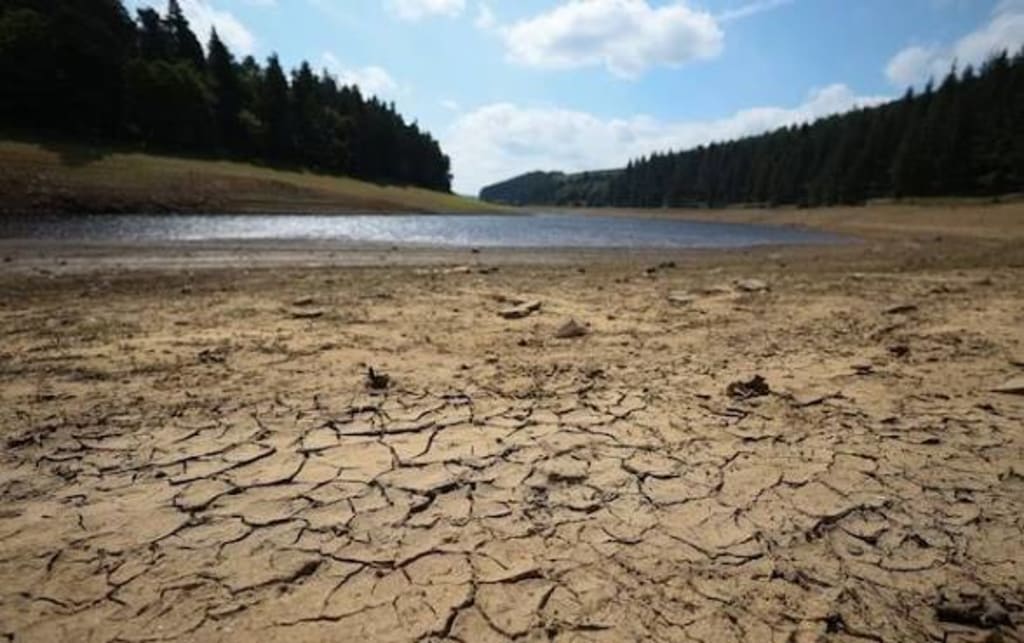
England is facing a historic weather milestone as July is on course to become one of the driest months ever recorded, raising concerns about water supplies, agriculture, wildlife, and the wider impact of changing climate patterns. The unusually low rainfall has created challenging conditions across many parts of the country, with farmers, environmental experts, and authorities closely monitoring the situation as dry weather continues.
The lack of rainfall during July has been described as exceptional by weather specialists. Traditionally, summer months in England bring a mixture of sunshine and rainfall, helping maintain rivers, reservoirs, farmland, and natural ecosystems. However, this year’s prolonged dry conditions have resulted in significantly reduced water levels and increased pressure on resources. If the trend continues, July could surpass previous records for dryness, highlighting the growing frequency of extreme weather events.
One of the most immediate impacts of the dry spell has been felt by farmers. Agriculture depends heavily on regular rainfall, particularly during the summer growing season when crops require sufficient moisture. Fields across several regions have become increasingly dry, affecting grass growth, livestock feeding, and crop production. Farmers have reported concerns about reduced harvests and rising costs as they seek alternative ways to maintain their land and protect their animals.
The agricultural sector is not the only area affected. Rivers, lakes, and reservoirs across England have experienced falling water levels due to the combination of limited rainfall and high temperatures. Water companies have increased monitoring efforts and encouraged households to use water responsibly. In some areas, officials have considered additional measures to manage demand if dry conditions continue.
The environmental consequences are also becoming increasingly visible. Many ecosystems rely on stable water supplies to support plants, insects, fish, and other wildlife. Lower river levels can affect aquatic habitats, while dry landscapes increase the risk of wildfires. Conservation groups have warned that prolonged drought conditions can place additional stress on already vulnerable natural environments.
The situation has renewed discussions about climate change and its influence on weather patterns. Scientists have warned that rising global temperatures are increasing the likelihood of extreme weather events, including intense heatwaves and longer periods of drought. While individual weather events can have multiple causes, the overall trend suggests that climate change is contributing to more frequent and severe climate challenges.
England has experienced several notable periods of dry weather in recent years. Previous droughts have affected water availability, agriculture, and natural habitats, demonstrating the vulnerability of the country’s infrastructure to changing weather conditions. Experts believe that adapting to future climate risks will require improved water management, investment in infrastructure, and stronger environmental protection measures.
The dry July has also affected everyday life for millions of people. Parks, gardens, and green spaces have become noticeably drier, while outdoor activities have been influenced by increased temperatures and restrictions in some locations. Gardeners and homeowners have faced challenges maintaining plants and lawns without excessive water use. At the same time, many people have welcomed the sunshine, creating a contrast between public enjoyment and environmental concerns.
Authorities are balancing the need to protect water resources with the demands of communities and businesses. Water companies have emphasized the importance of responsible consumption, especially during periods of high demand. Simple actions such as reducing unnecessary water use, fixing leaks, and being mindful of outdoor water usage can help reduce pressure on supplies.
Tourism and outdoor businesses have experienced mixed effects from the unusual weather. Sunny conditions have encouraged more visitors to beaches, parks, and countryside locations, benefiting some local economies. However, increased temperatures and dry conditions have also created additional safety concerns, particularly regarding wildfires and the impact on natural landscapes.
The possibility of England recording its driest July serves as a reminder of the importance of climate resilience. Governments, communities, and individuals are increasingly recognizing the need to prepare for changing weather patterns. This includes improving water storage systems, supporting sustainable farming methods, and protecting natural environments that help regulate ecosystems.
Looking ahead, the focus will remain on how long the dry conditions continue and whether significant rainfall arrives to restore water levels. A period of heavy rain could help ease some immediate pressures, but experts warn that long-term solutions are needed to address repeated episodes of extreme weather.
England’s exceptionally dry July is more than a temporary weather event; it is part of a broader conversation about climate, sustainability, and preparedness. The impact reaches beyond statistics and records, affecting food production, natural habitats, and daily life. As the country experiences another unusual weather pattern, the situation highlights the importance of adapting to a future where extreme conditions may become increasingly common.
The coming months will reveal the full consequences of this historic dry period. For now, England’s driest July on record stands as a significant environmental warning and a reminder that water remains one of the most valuable resources requiring careful protection.
About the Creator
Enjoyed the story? Support the Creator.
Subscribe for free to receive all their stories in your feed.
Comments
There are no comments for this story
Be the first to respond and start the conversation.