
Islands of the Lost
A Story of Love, Loss, and Survival in a Drowning World
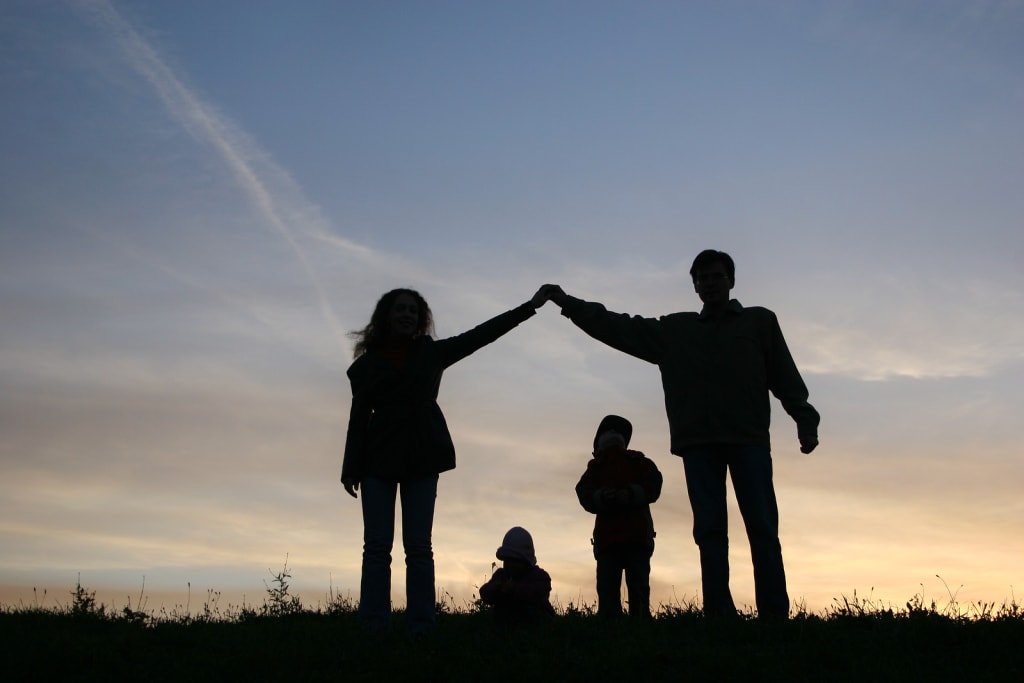
As the sun sets on their island, the soft lapping of the ocean waves once brought comfort to Aina and her family. Now, those same waters are an ominous reminder of the future. Their home, passed down through generations, is slowly disappearing beneath the rising tides. The island, once rich with coconut trees, sandy shores, and vibrant life, is shrinking with each passing season.
Aina's father, Teva, remembers when the island was much larger, when storms came and went without fear of destruction. But now, every storm threatens to swallow the only life they’ve ever known. His face is lined with years of sun, salt, and labor, but the deepest lines come from worry—the worry of losing not just his home, but the roots that tie his family to the land and sea.
The family grapples with an impossible choice: stay and fight for their island, or leave behind the land that holds their history, memories, and identity. Aina, caught between her father’s fierce desire to stay and her mother's pragmatic fear, feels the weight of her family’s survival pressing down on her young shoulders.
Her younger brother, Keahi, is oblivious to the looming danger. He still runs to the beach, chasing crabs, collecting shells, unaware that the shoreline he loves is disappearing. His innocence is a painful contrast to the growing despair of the adults around him. His laughter echoes through the house, but it cannot drown out the sound of the ever-encroaching waves.
As the family tries to reinforce their home against the water, they find themselves not just battling the elements, but their own grief and helplessness. The ocean, once a source of life, becomes an enemy they cannot fight.
Aina’s mother, Leilani, pleads with her husband to consider leaving, to think of their children’s future. "We can find another home," she says, her voice cracking with emotion. But Teva is rooted, as deeply as the ancient trees that still cling to the island’s soil. "This is our home. This is all we know," he replies, his words heavy with the sorrow of a man torn between love for his land and fear for his family.
The story captures their emotional struggle as the waters rise higher, each day a painful reminder of what they are losing. Through the eyes of Aina, we see the deep connection between family, land, and identity slowly unraveling as nature takes its course. The rising waters force the family to confront not just the physical loss of their home, but the spiritual loss of everything that defines them.
In the end, as the sea claims more of the island, the family makes a heart-wrenching decision. They pack their few belongings and say goodbye to the only place they've ever known, their hearts heavy with the knowledge that they may never return. As they sail away, the island fades into the horizon, a lost piece of their souls swallowed by the sea. Teva embodies resilience and tradition. His emotional response is tied to his deep connection with the land. The island represents not just a physical home but also his ancestors, heritage, and identity. His stubborn determination to stay reflects his fear of losing everything that defines him. Teva's internal battle is between pride in his roots and the responsibility he feels for protecting his family. His reluctance to leave symbolizes the struggle many face when confronting the irreversible impacts of climate change. He feels grief for the inevitable loss of the island, which he views as a betrayal of generations past.
The story is a powerful reflection on climate change’s emotional toll, illustrating the deep sense of loss felt by those displaced by rising waters and the struggle between holding onto the past and accepting an uncertain future.
About the Creator
Enjoyed the story? Support the Creator.
Subscribe for free to receive all their stories in your feed.
Comments
There are no comments for this story
Be the first to respond and start the conversation.