
Island Peak Climbing with Everest Base Camp: An Ultimate Himalayan Adventure
Introduction
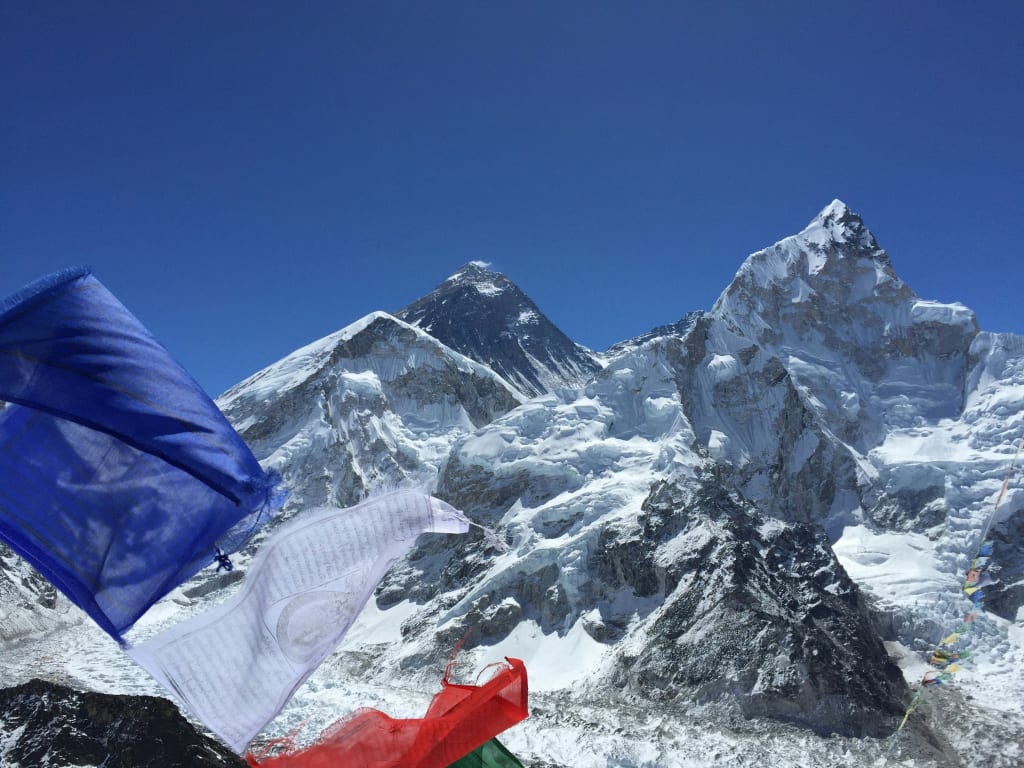
Combining the trek to Everest Base Camp (EBC) with the ascent of Island Peak (Imja Tse) offers adventurers a unique blend of high-altitude trekking and mountaineering in the heart of the Himalayas. This journey not only takes you to the base of the world's highest mountain but also challenges your climbing skills on one of Nepal's most accessible 6,000-meter peaks. Here's a comprehensive guide to this extraordinary expedition.
An outline of the adventure
Island Peak: 6,189 meters (20,305 ft) high, also called Imja Tse. Its location, which from Dingboche seems like an island in a sea of ice, is the source of its name.
Base Camp on Everest: Reaching this location, which offers sweeping views of Everest and the surrounding peaks, is a dream for many. It is located in the Khumbu region at 5,364 meters (17,598 feet).
Route: To provide for enough acclimatization, the trip typically begins with a trek to EBC prior to the ascent to Island Peak.
The Route:
Day 1: Take a plane to Lukla from Kathmandu, then hike to Phakding. Your trip through the Himalayas begins here.
Days 2–8: Travel via Namche Bazaar, Tengboche, Dingboche, and Lobuche to reach Kala Patthar for breathtaking views of Everest and Everest Base Camp.
Day 9: Make the switch from trekking to climbing preparation by descending to Dingboche or continuing on to Chhukung.
Day 10: Either travel to Island Peak Base Camp to prepare for climbing, or spend the day acclimating in Chhukung. Climbers are trained here to use gear such as ropes, ice axes, and crampons.
Day 11: To improve acclimatization and get ready for the summit assault, climb to Island Peak High Camp.
Day 12: Set out early in the morning to reach Island Peak's top. This includes a final ascent over a headwall utilizing fixed ropes, as well as a difficult climb across varied terrain.
Day 13: Celebrate the successful summit by descending back to Chhukung or continuing on to Dingboche.
Days 14–17: Trek back to Lukla through Phakding, Namche Bazaar, and Pangboche.
Day 18: Return to Kathmandu by plane.
Reaching the summit of Island:
Pre-Climb Training: Climbers receive instruction on how to use climbing equipment a day or two prior to their summit attempt. For people with little mountaineering expertise, this is essential.
Summit Day: Usually entails setting out early in the morning in order to get at the summit by noon. The usage of fixed ropes and the final ascent's steepness are the main reasons for the climb's moderate technical difficulty. Climbers are rewarded with vistas of Lhotse, Makalu, Amadablam, and, of course, Everest itself from the top.
Obstacles and Planning:
Altitude: Altitude sickness is a serious risk when trekking and climbing at high altitudes are combined. Acclimatization must be done correctly.
Physical Fitness: Strong muscles and a healthy heart are prerequisites for both trekking and climbing. While prior high-altitude trekking or climbing experience is advantageous, it is not required with the right training.
Equipment: Climbing boots, crampons, ice axes, harnesses, and helmets are all necessary pieces of climbing equipment. For chilly evenings at base camp, a decent sleeping bag is also essential.
Sherpas and guides: To ensure safety, support, and navigation on the mountain, it is advised to hire knowledgeable guides and climb Sherpas.
Natural and Cultural Highlights:
Sherpa Culture: Through opportunities to visit monasteries like Tengboche and engage with locals, the journey provides insights into the customs and way of life of the Sherpa people. The hike through Sagarmatha National Park, a UNESCO World Heritage Site, highlights Nepal's abundant biodiversity and breathtaking scenery.
Ideal Time to Travel:
Clear weather is available in the spring (March to May), although it may be more crowded because of Everest climbing season.
Autumn (September to November): Known for its consistent weather, this season is perfect for climbing and trekking.
Leave No Trace: Because of the route's popularity, it is essential to preserve the area's cleanliness and natural beauty. Climbers are urged to adhere to the Leave No Trace philosophy.
Clean Climbing: Some operators concentrate on clean climbing techniques in an effort to lessen waste on the mountain.
Summary:
More than just an adventure, the Island Peak climb with Everest Base Camp trek is a voyage through some of the most breathtaking scenery on earth, a test of one's own stamina, and an exploration of the Himalayan culture. This adventure offers an unmatched experience for people who want to experience the exhilaration of climbing coupled with the spiritual journey of walking close to Everest. It combines the beauty of nature's highest realms with the joy of accomplishment.
About the Creator
Enjoyed the story? Support the Creator.
Subscribe for free to receive all their stories in your feed.
Comments
There are no comments for this story
Be the first to respond and start the conversation.