
Island Living for Wildlife
Animals found on islands

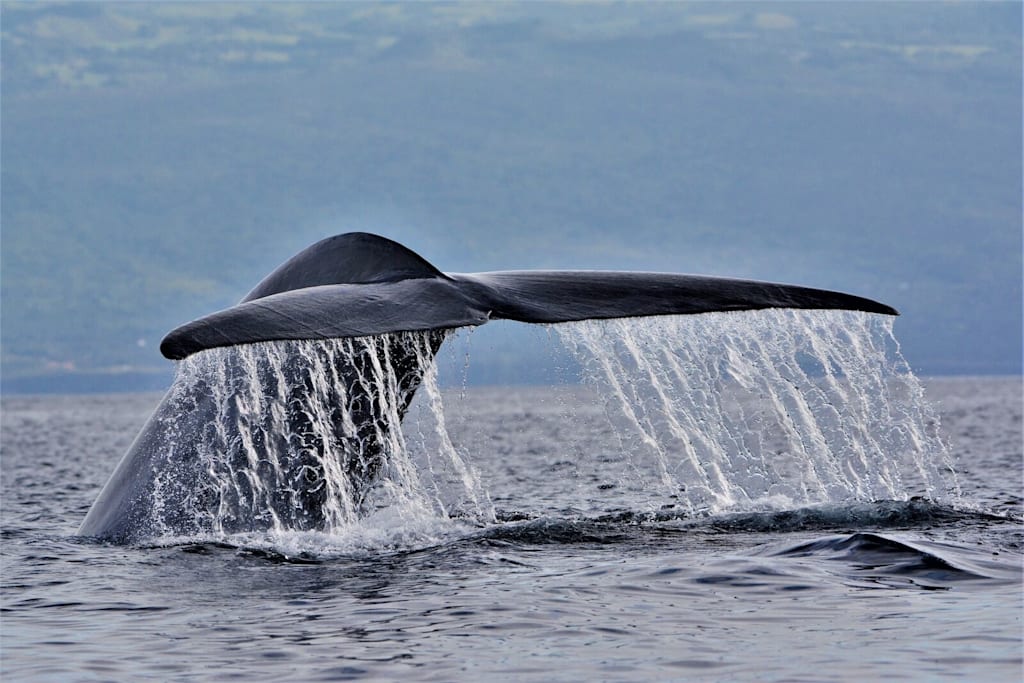
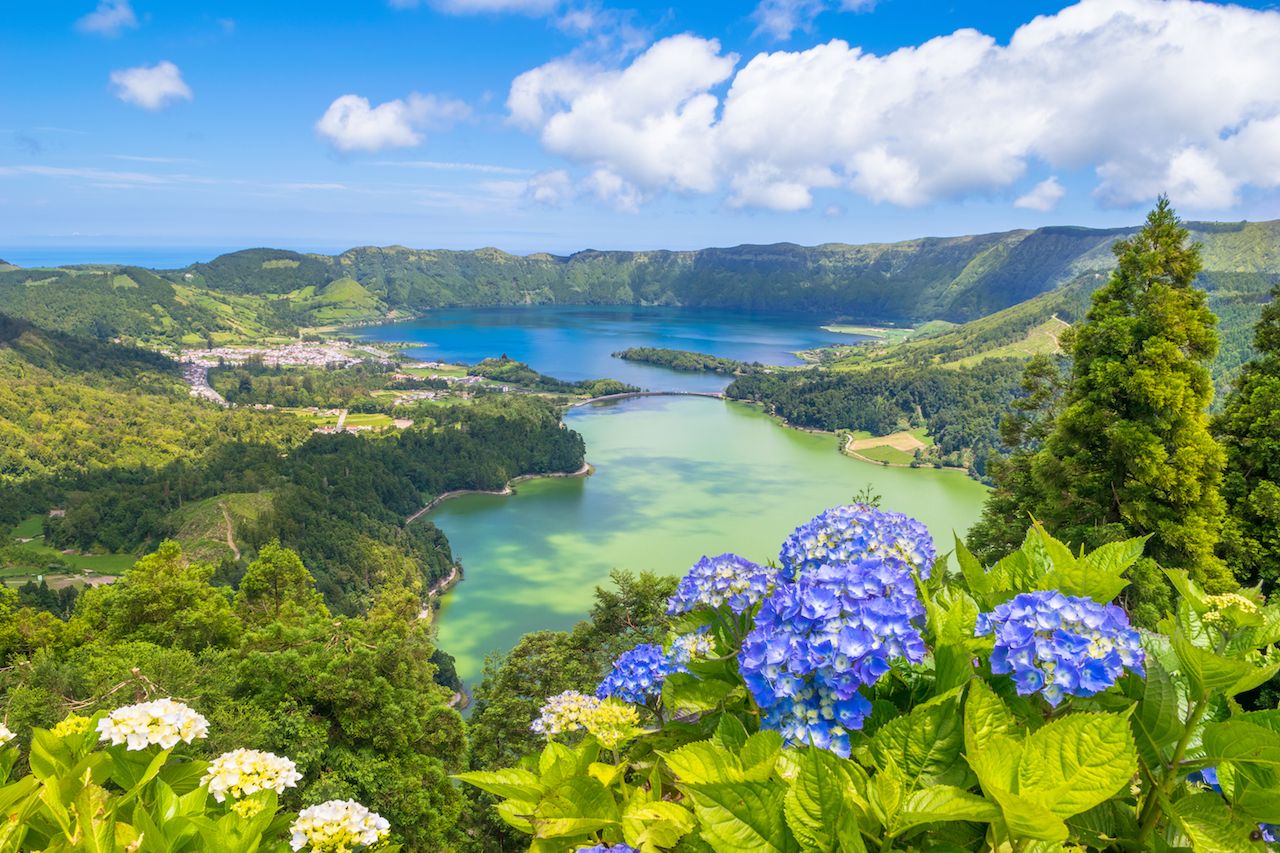
Situated in the middle of the Atlantic Ocean, the Azores are a remote volcanic archipelago. It is one of the best places in the world to see whales and dolphins.
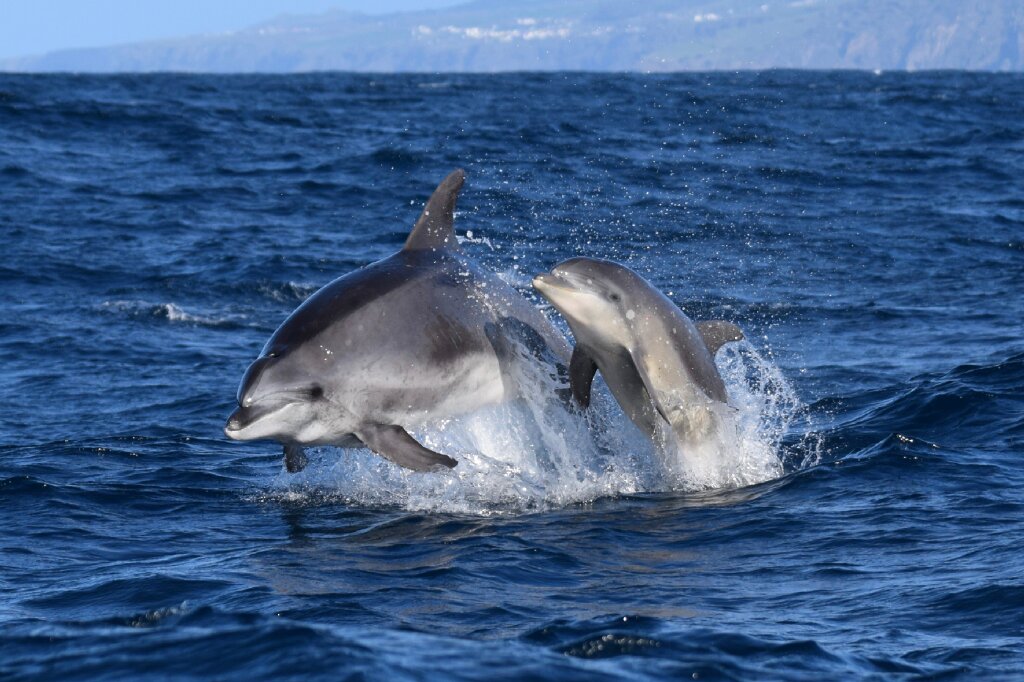
Sperm whales, blue whales, and pilot whales are commonly seen, along with bottlenose dolphins, Risso’s dolphins, and orcas. Whale-watching tours are available. On land, the islands are home to unique flora and fauna, including endemic bird species like the Azores bullfinch.
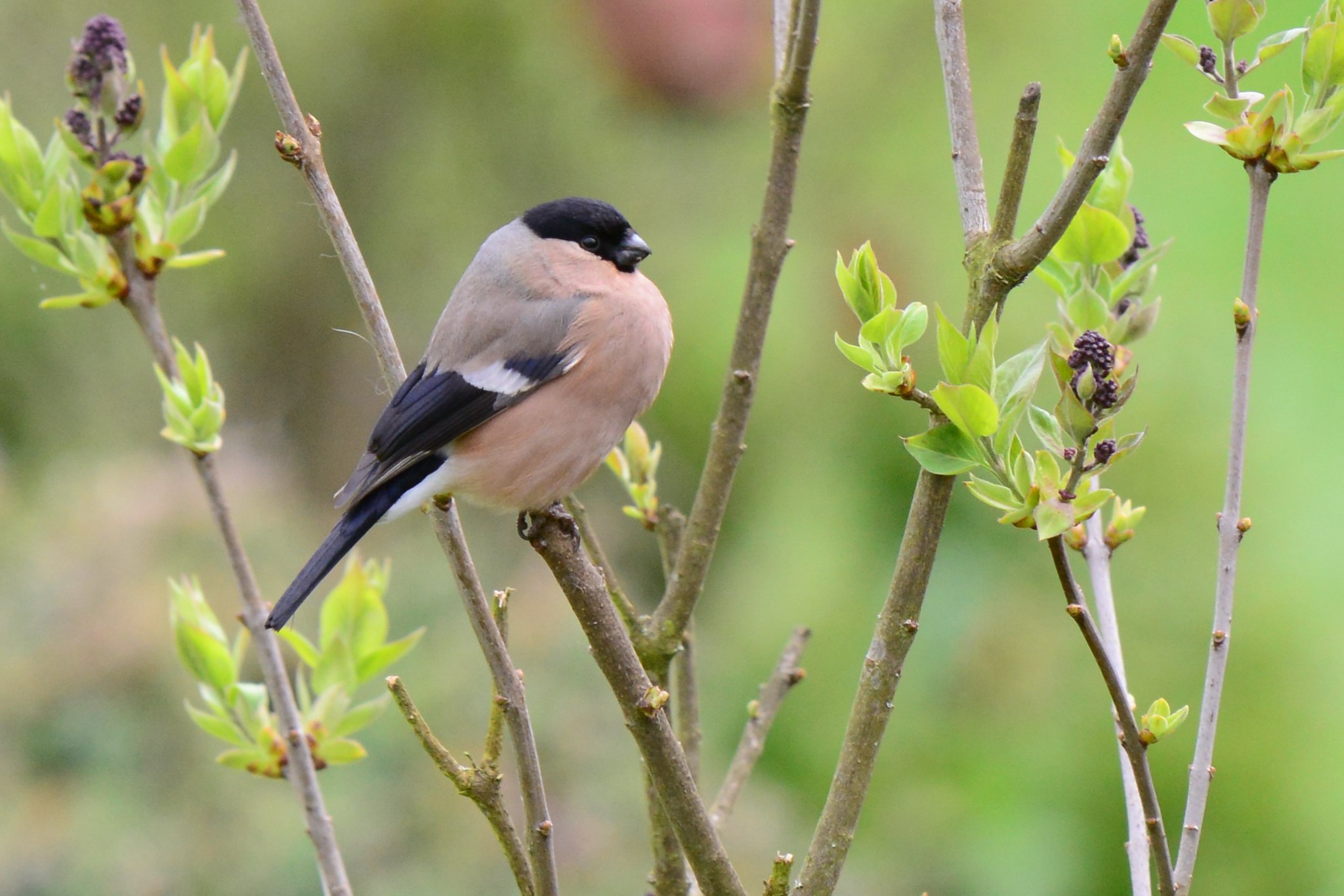
The Azores bullfinch, also known as the São Miguel bullfinch, or locally in Portuguese as the priolo, is a threatened passerine bird in the true finch family. It is endemic to São Miguel Island, in the Azores archipelago of Macaronesia in the North Atlantic Ocean
Land of the Orangutans
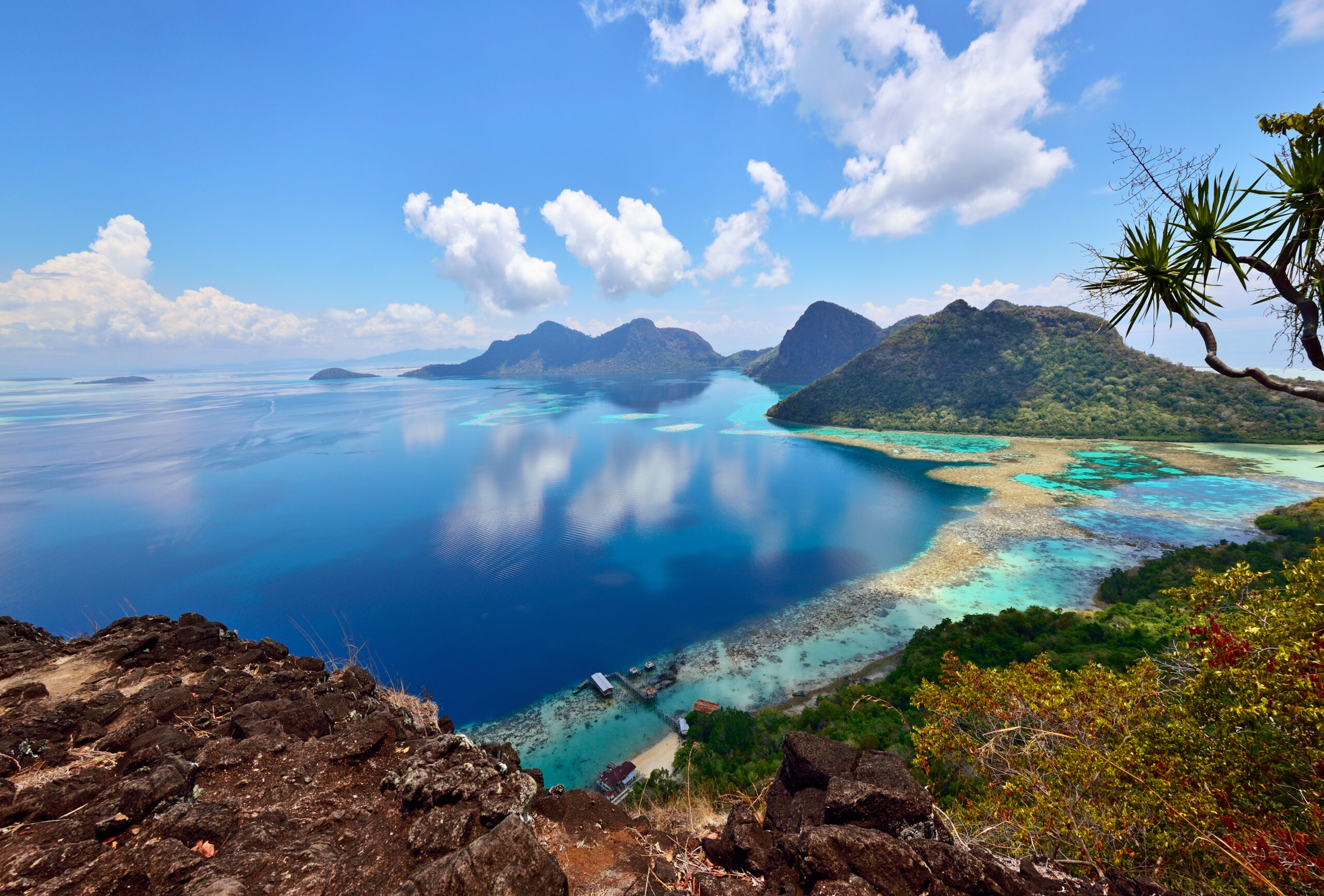
Situated in Southeast Asia, Borneo is the third-largest island in the world, is a biodiversity hotspot, particularly for primates.
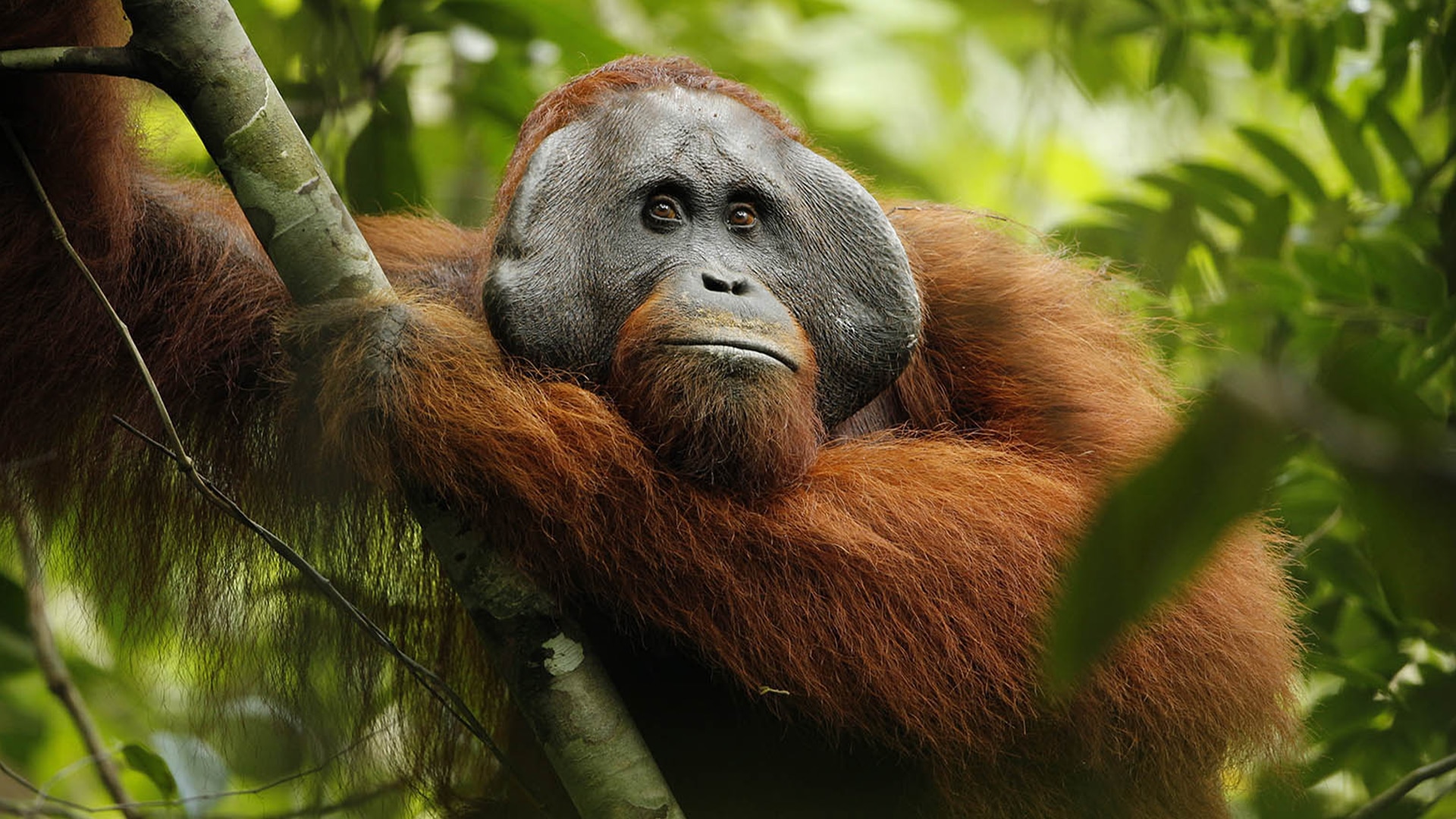
Its lush rainforests are home to the endangered orangutan, one of the most intelligent primates in the world.
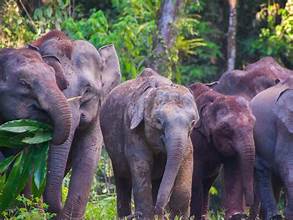
The Borneo pygmy elephant, a subspecies of the Asian elephant, is known for its smaller size and distinct features, primarily inhabiting the forests of northeastern Borneo in Indonesia and Malaysia. They primarily inhabit the rainforests of northeastern Borneo, particularly in Sabah. Their diet consists mainly of grasses, fruits, and bark, which they forage in their forest habitat.
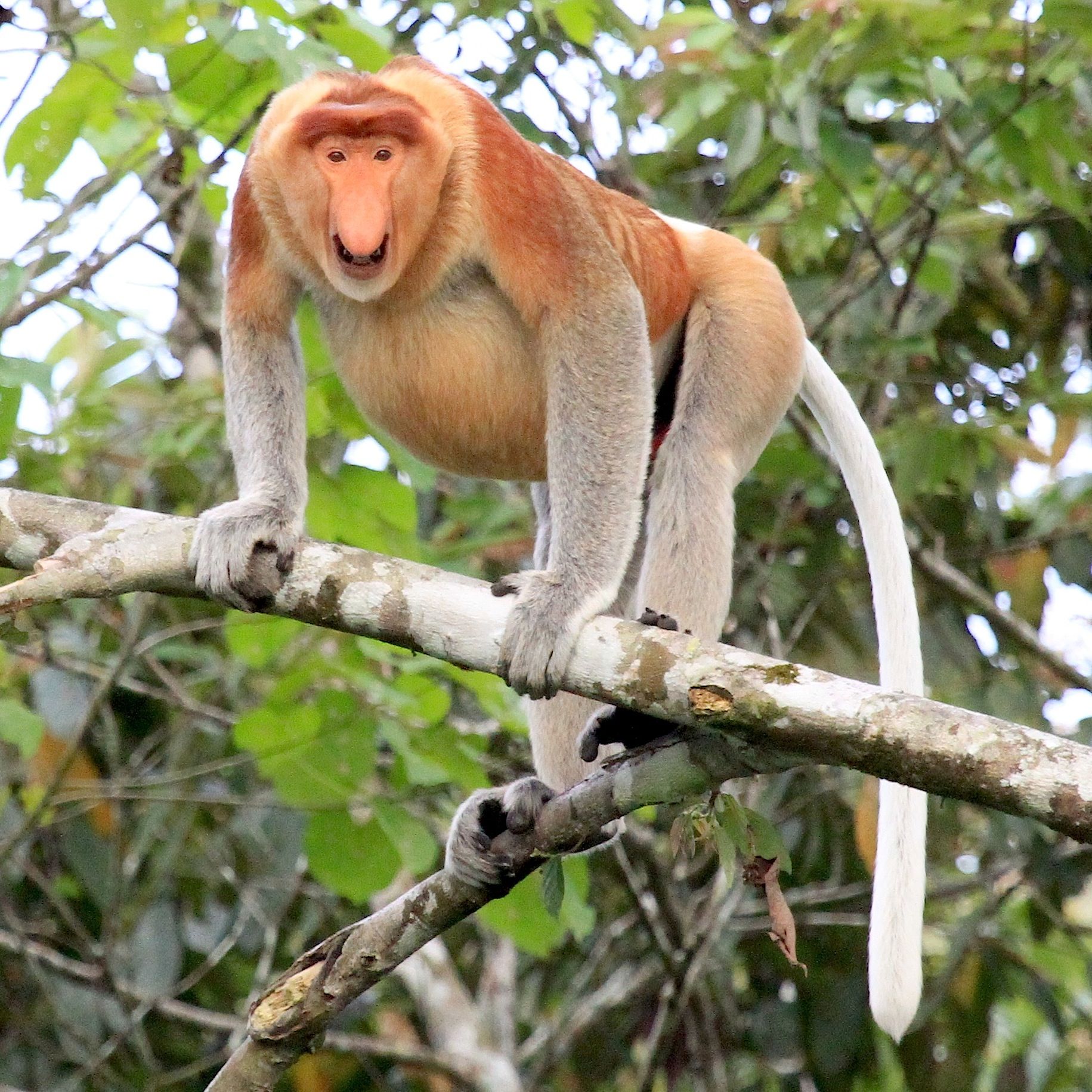
The proboscis monkey, or Nasalis larvatus, is an endemic species found only on the island of Borneo, primarily inhabiting mangrove and peat swamp forests. Known for their distinctive large noses, these monkeys are social and often seen in groups near water sources. They are known for their swimming ability, often seen diving into rivers to escape predators.
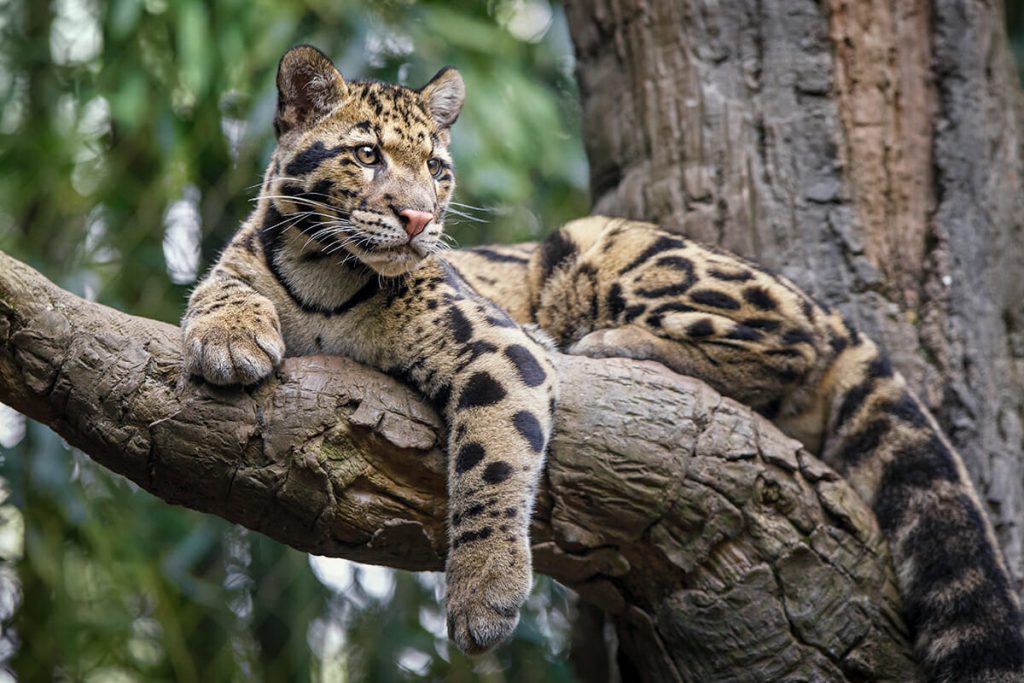
The Bornean clouded leopard, also known as the Sunda clouded leopard (Neofelis diardi), is a medium-sized wild cat native to Borneo and Sumatra. They primarily inhabit the dense rainforests. Their diet mainly consists of bearded pigs and mouse deer, showcasing their role as predators in the ecosystem.
Penguin Paradise
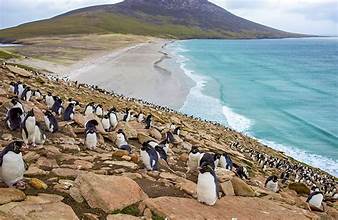
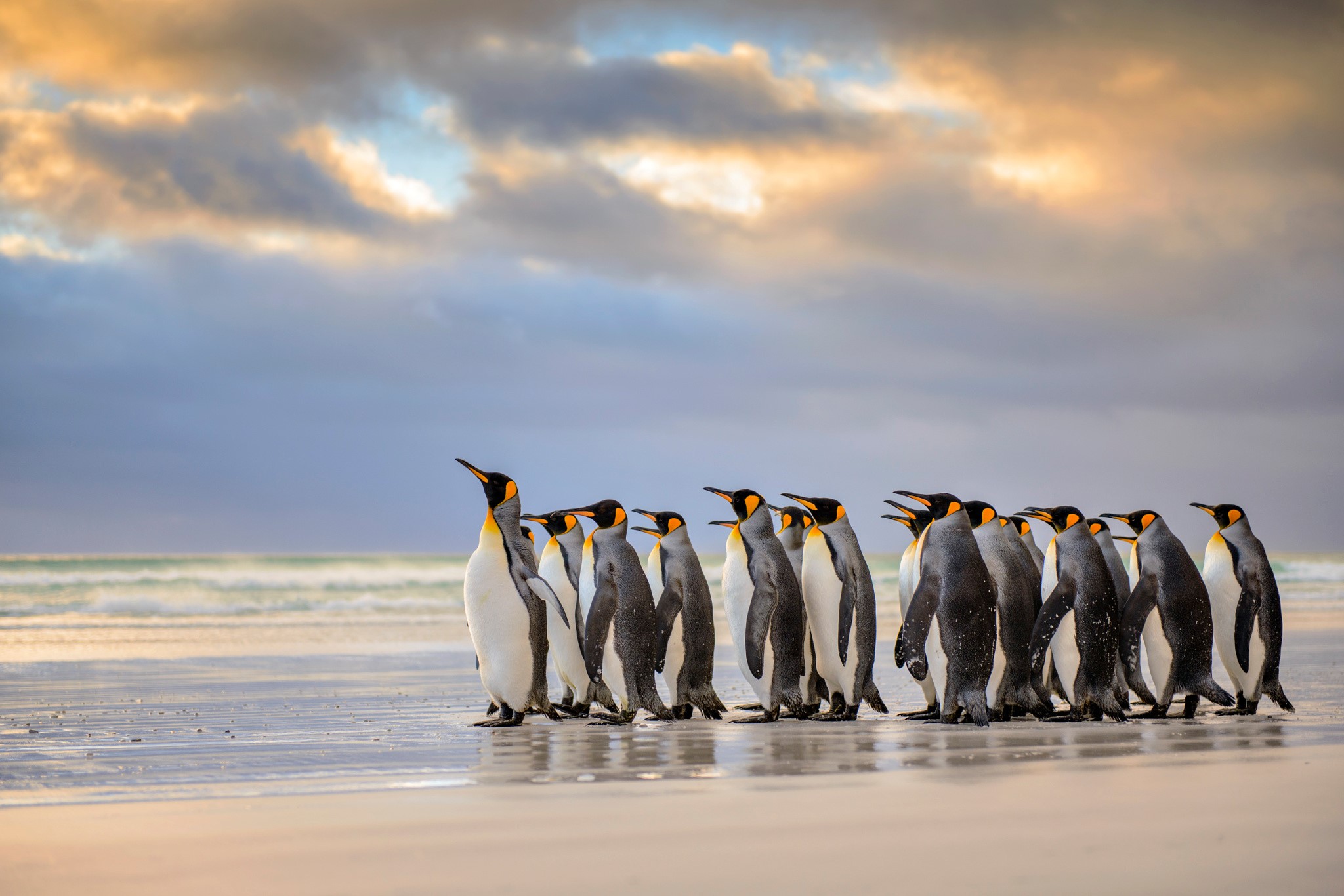
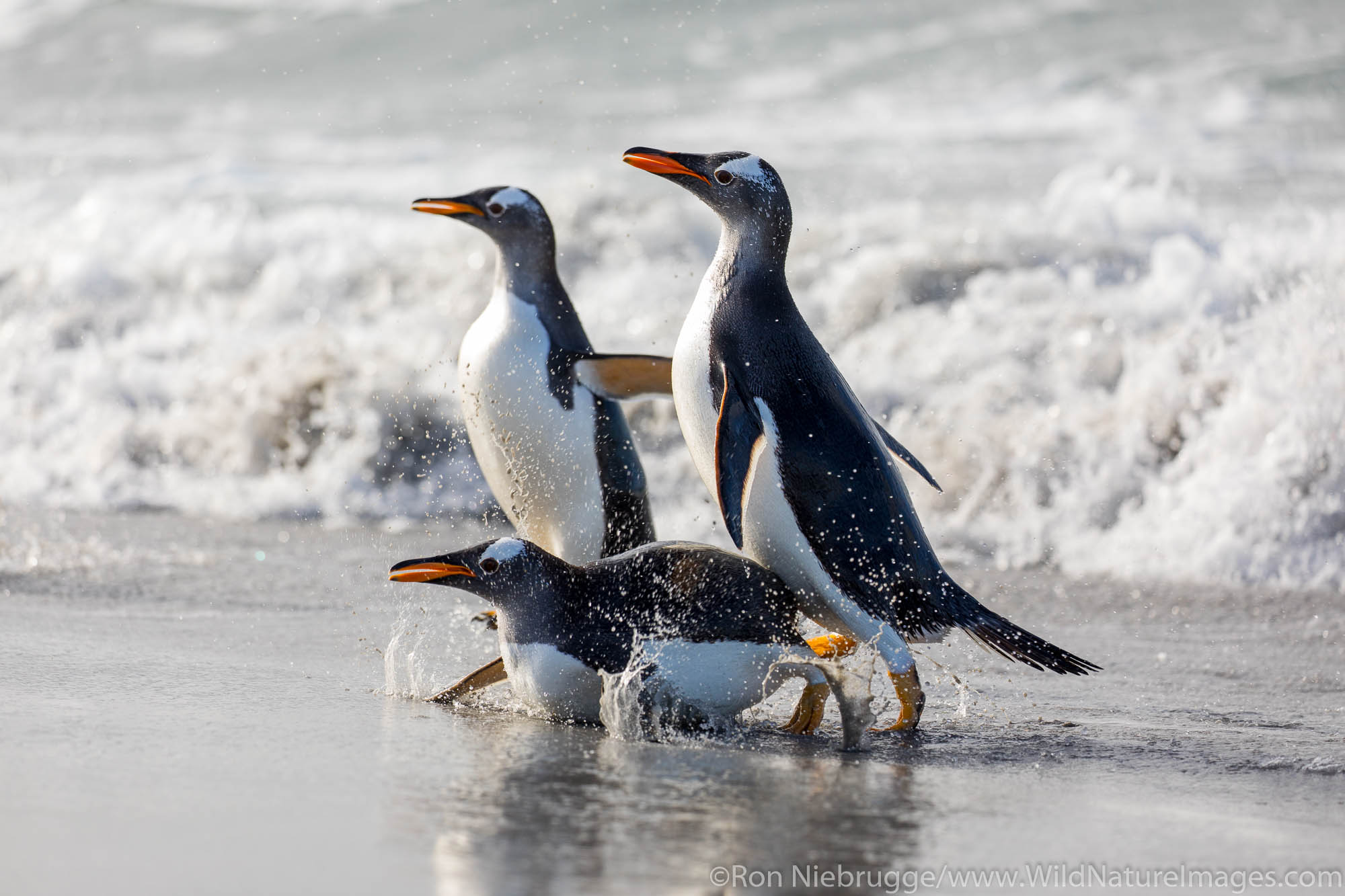
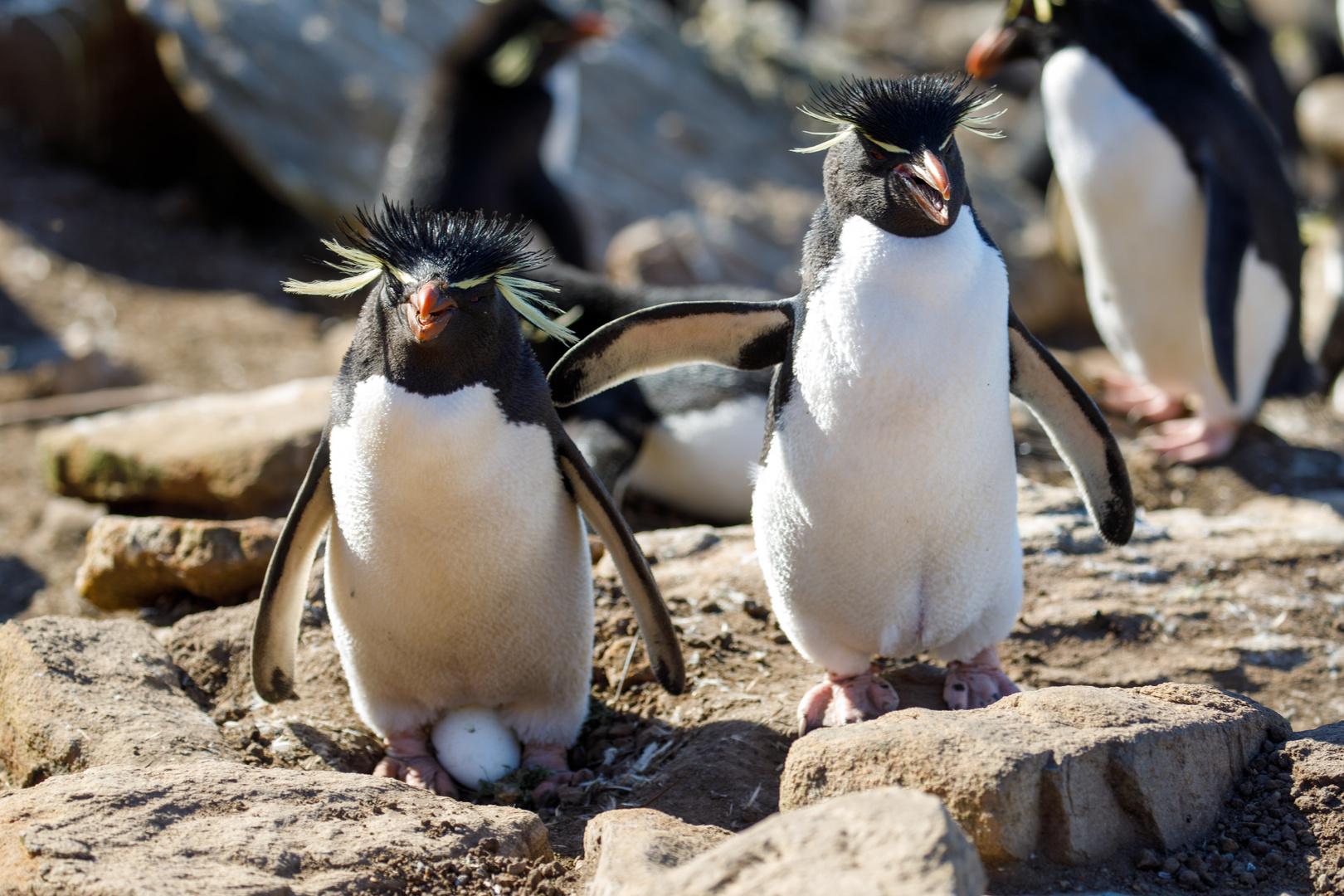
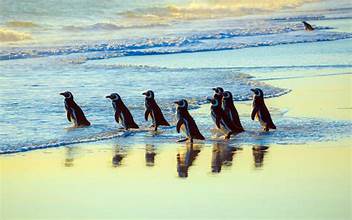
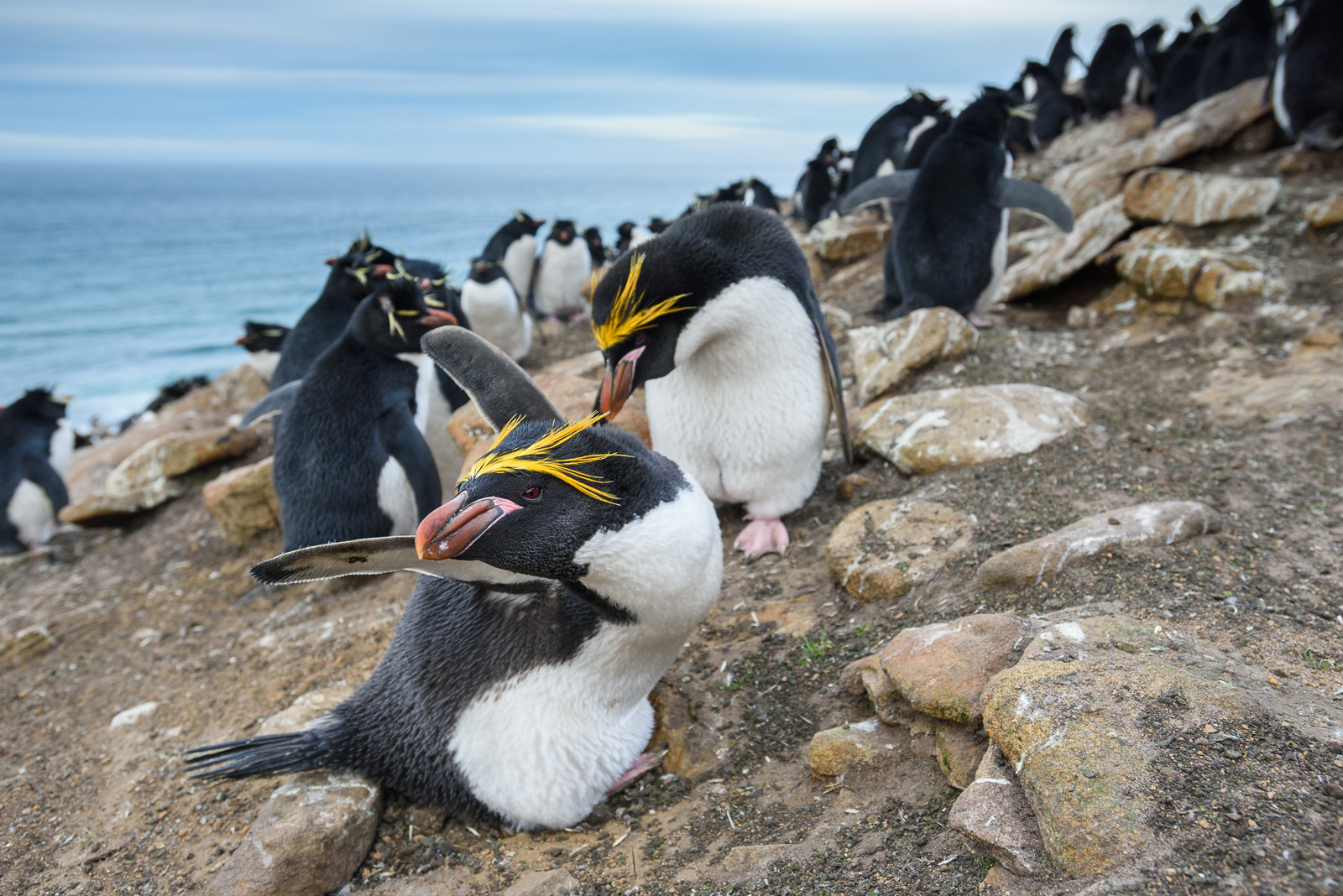
Situated in the South Atlantic, the Falkland Islands are home to one of the largest conglomarations of penguins in the world with five different species king, gentoo, rockhopper, Magellanic, and macaroni penguins.
Let the penguin parade begin:
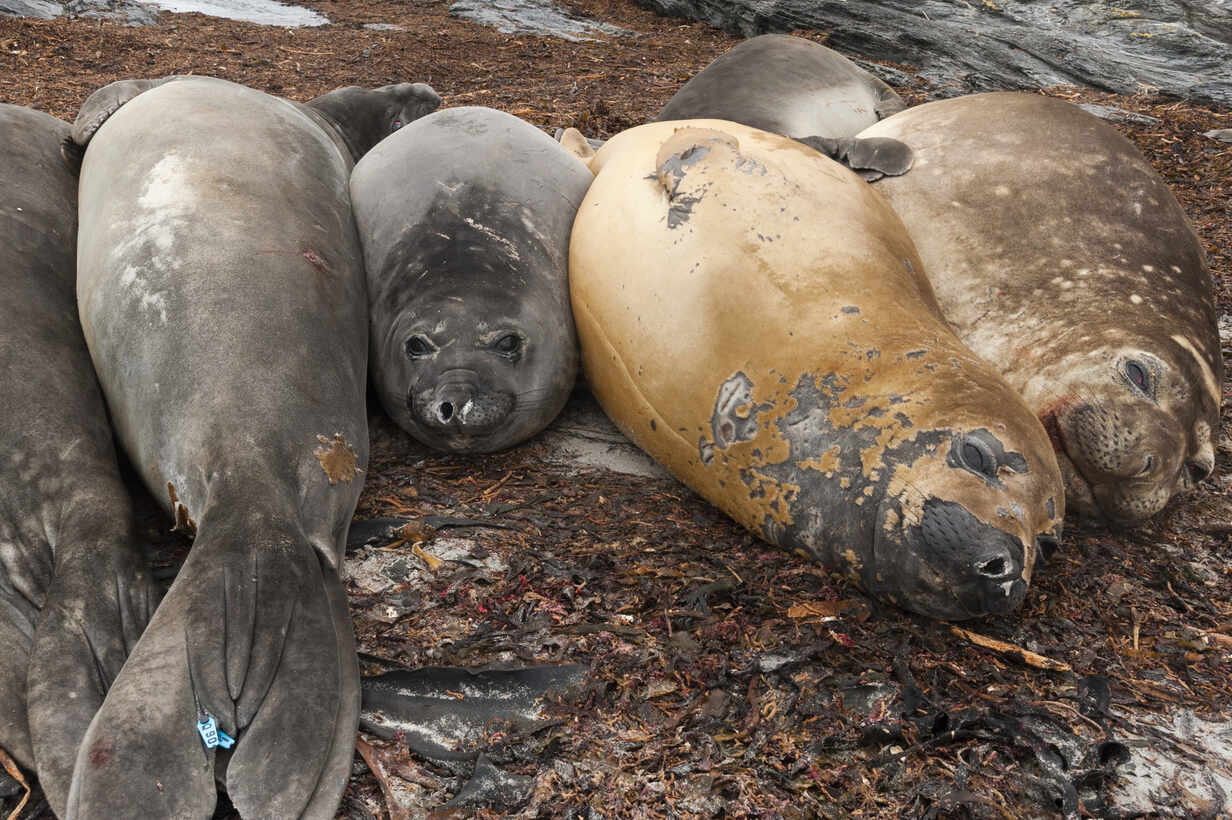
The Falkland Islands are a significant breeding ground for Southern Elephant Seals, with males arriving in September for territorial battles, followed by females for pupping from late September to November. These seals can be observed in large numbers on the islands' remote beaches, making it a popular wildlife viewing destination
Giant tortoises and Blue-Footed Boobies
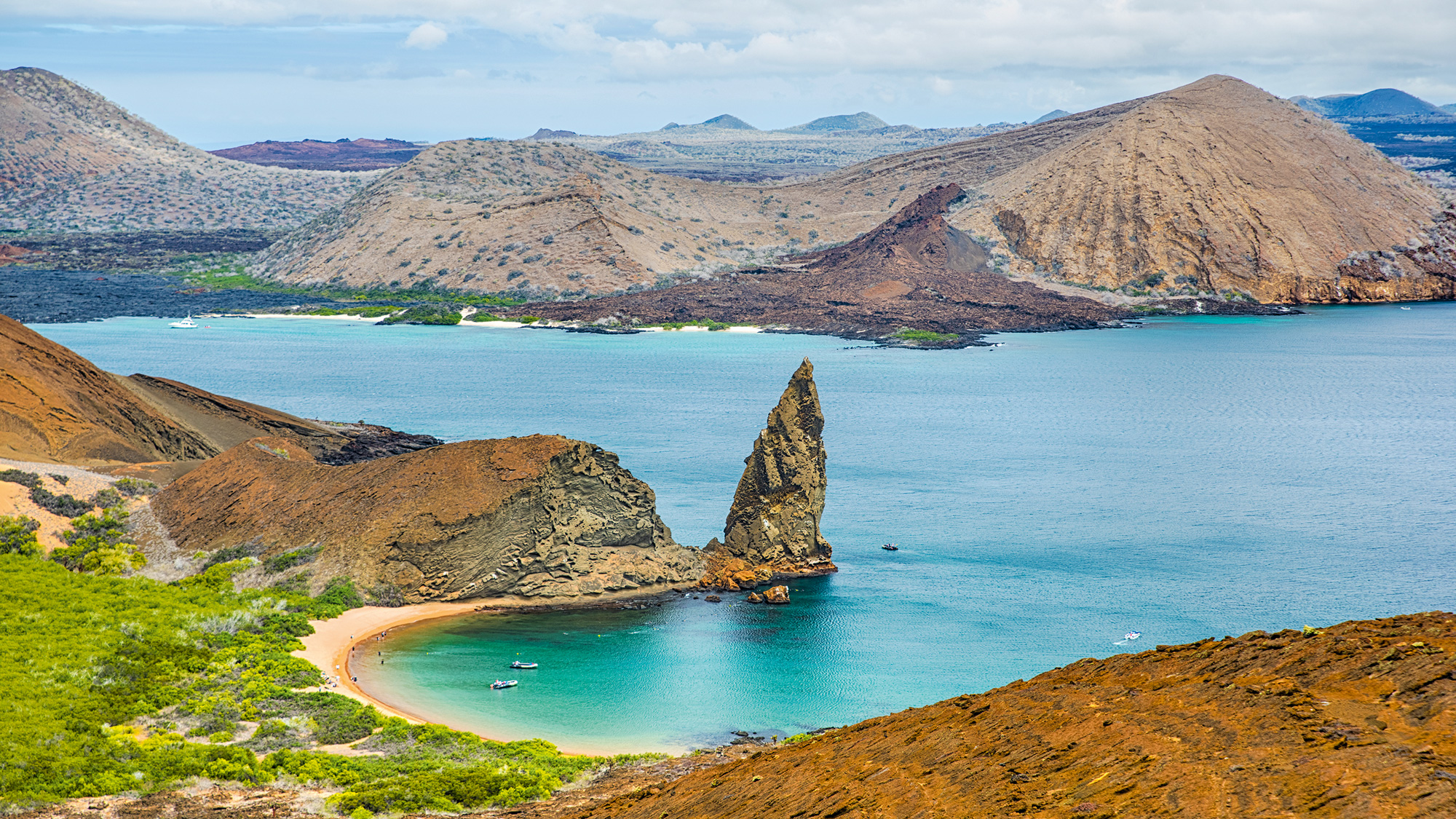
Situated off the coast of Ecuador, the Galapagos Islands have fascinating wildlife.
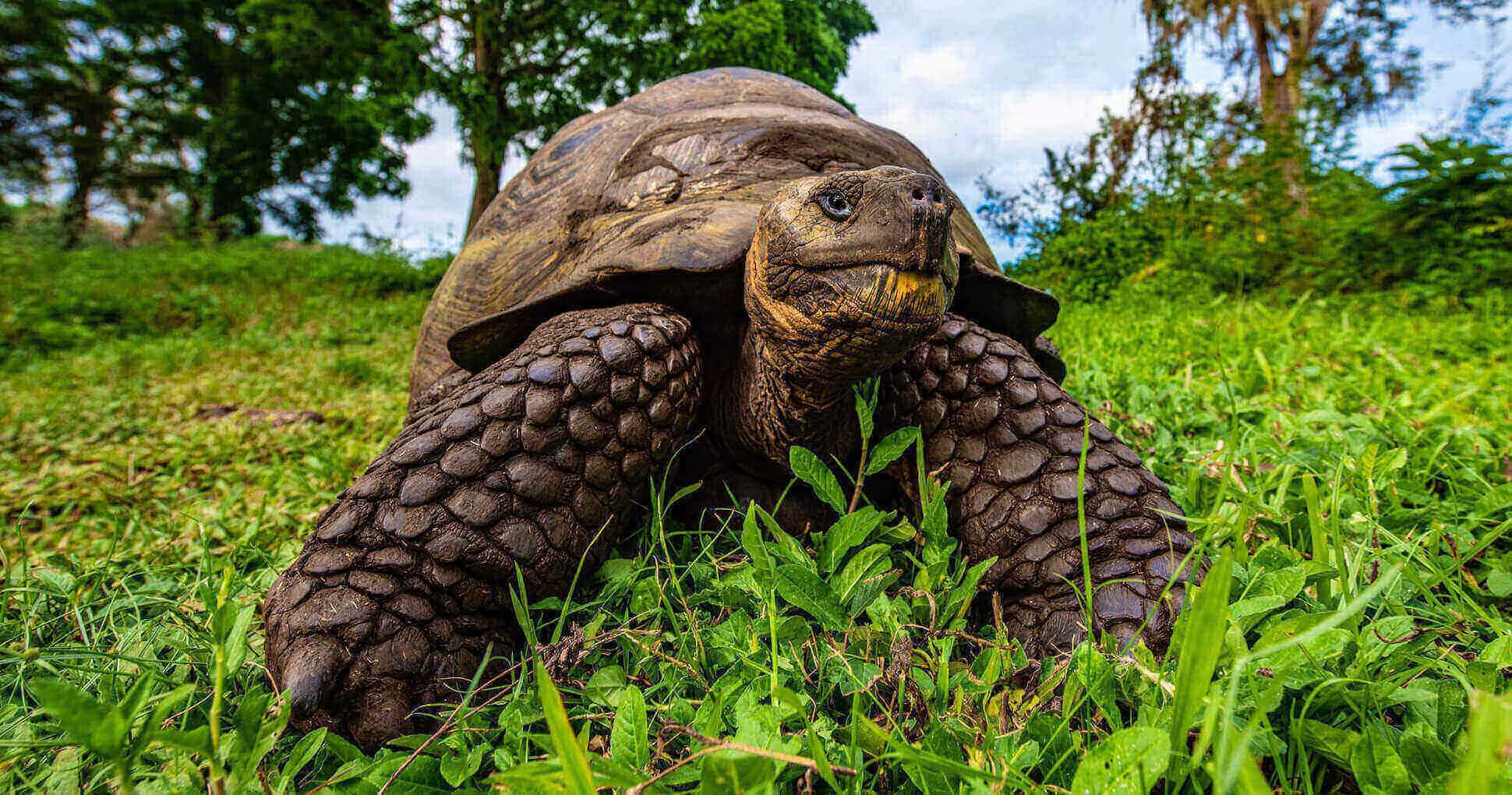
Galapagos giant tortoises are large reptiles native to the Galapagos Islands, known for their impressive size and longevity. There are currently 13 living species, each adapted to different island environments, and they can live for over 100 years.
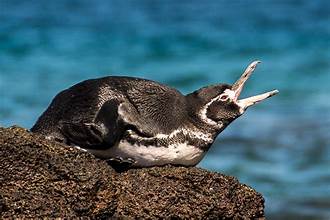
The Galápagos penguin is a penguin endemic to the Galápagos Islands of Ecuador. It is the only penguin found north of the equator. Most inhabit Fernandina Island and the west coast of Isabela Island. The cool waters of the Humboldt and Cromwell Currents allow it to survive despite the tropical latitude.
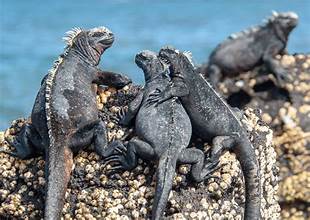
The marine iguana appears slow and clumsy on land, but this particular species of lizard is the only sea-going lizard in the world. They are well adapted to life in the ocean; they swim gracefully with sinuous movements of their long tails, which are powerful enough to act as propellers, propelling the lizards through pounding waves.
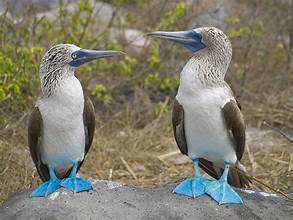
Blue-footed boobies are birds that live in flocks and have a life expectancy of approximately 17 years in the wild. They have brown wings, a dark beak, a white chest and a mottled white and brown head and neck. They are mostly characterized by their bright blue feet.
Hopping Kangaroos
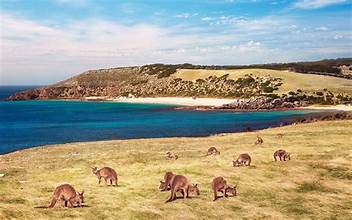
Situated off the coast of South Australia, Kangaroo Island is known for many different wildlife species. It is a delight to explore untouched landscapes. It is known colloquially as KI and is Australia's third-largest island, after Tasmania and Melville Island.
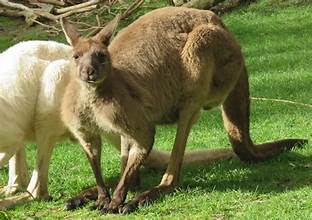
Kangaroo Island is home to a unique subspecies of the Western Grey Kangaroo, known for their shorter, stockier build and darker fur compared to their mainland relatives. These kangaroos thrive in the island's diverse habitats, which include dense scrubland and open grasslands.
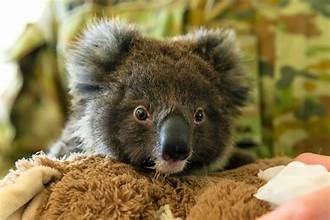
The island has the largest population of chlamydia-free koalas globally, providing a crucial genetic reservoir for the species. The island features a dedicated sanctuary that protects around 1,000 disease-free koalas, promoting conservation and education efforts.
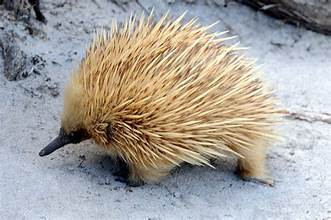
Echidnas, a subspecies of the short-beaked echidna, are unique to Kangaroo Island and are known for their distinctive spines and burrowing behavior. They primarily feed on invertebrates like ants and are adapted to various habitats across the island.
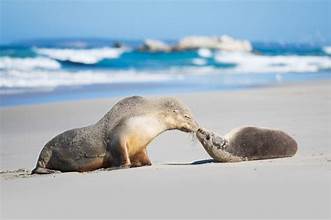
At Seal Bay Conservation Park, visitors can walk among endangered Australian sea lions lounging on the beach. It hosts one of the largest colonies in Australia. Visitors can observe these sea lions in their natural habitat, making it a popular wildlife experience
The Land of Dragons
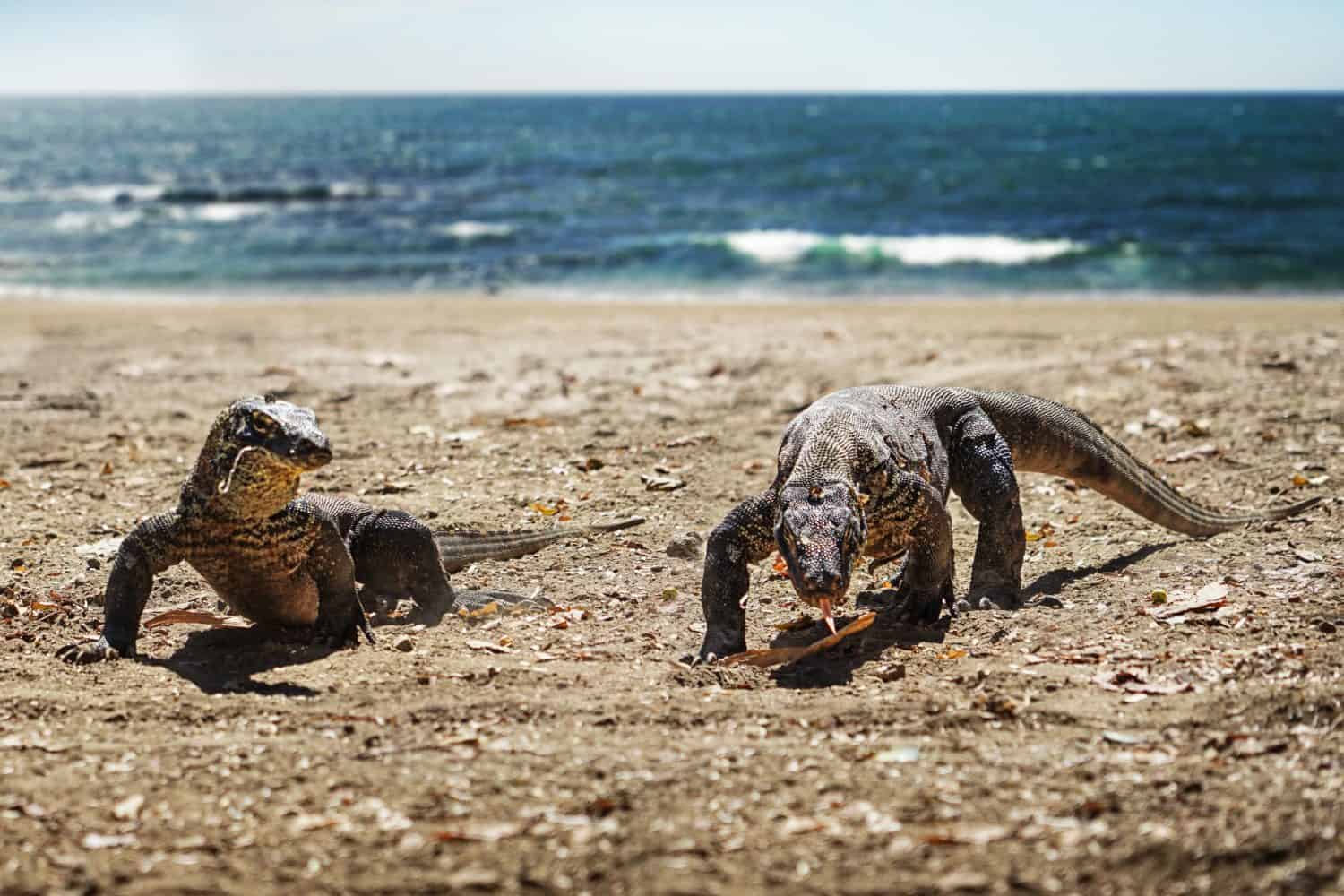
Situated as part of the Lesser Sunda Islands in Indonesia, Komodo Island is known for its most famous residents, the Komodo dragons.
It is particularly notable as the habitat of the Komodo dragon, the largest lizard on Earth, which is named after the island. Although they have a fearsome reputation due to their sharp teeth and venomous bite, they are fascinating creatures to observe in the wild.
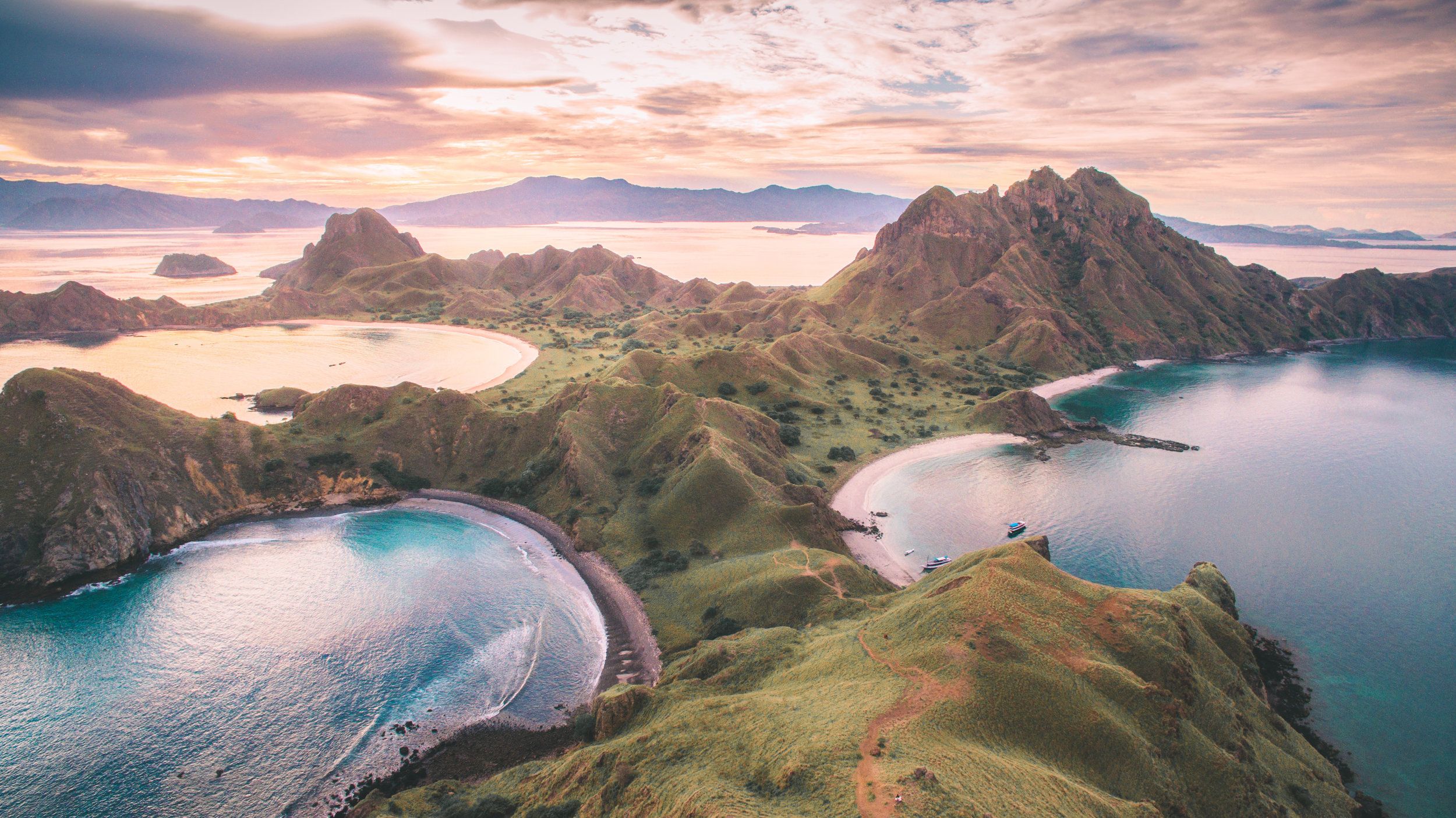
Komodo National Park is a UNESCO World Heritage Site, recognized for its unique biodiversity and the conservation of the Komodo dragon. Established in 1980, the park aims to protect the habitat of the Komodo dragon (Varanus komodoensis) and other endemic species. It is located in Indonesia, between the islands of Sumbawa and Flores, and encompasses a variety of ecosystems, including savannahs, forests, and marine environments.
Some of the other wildlife in the park:
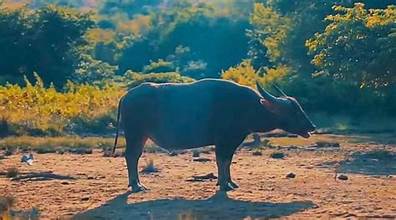
Wild water buffalo are herbivores. Their regular diet includes plants and fruits, such as aquatic plants, cassava, peanuts, bananas, crops, grasses, herbs, leaves, and the bark of trees.
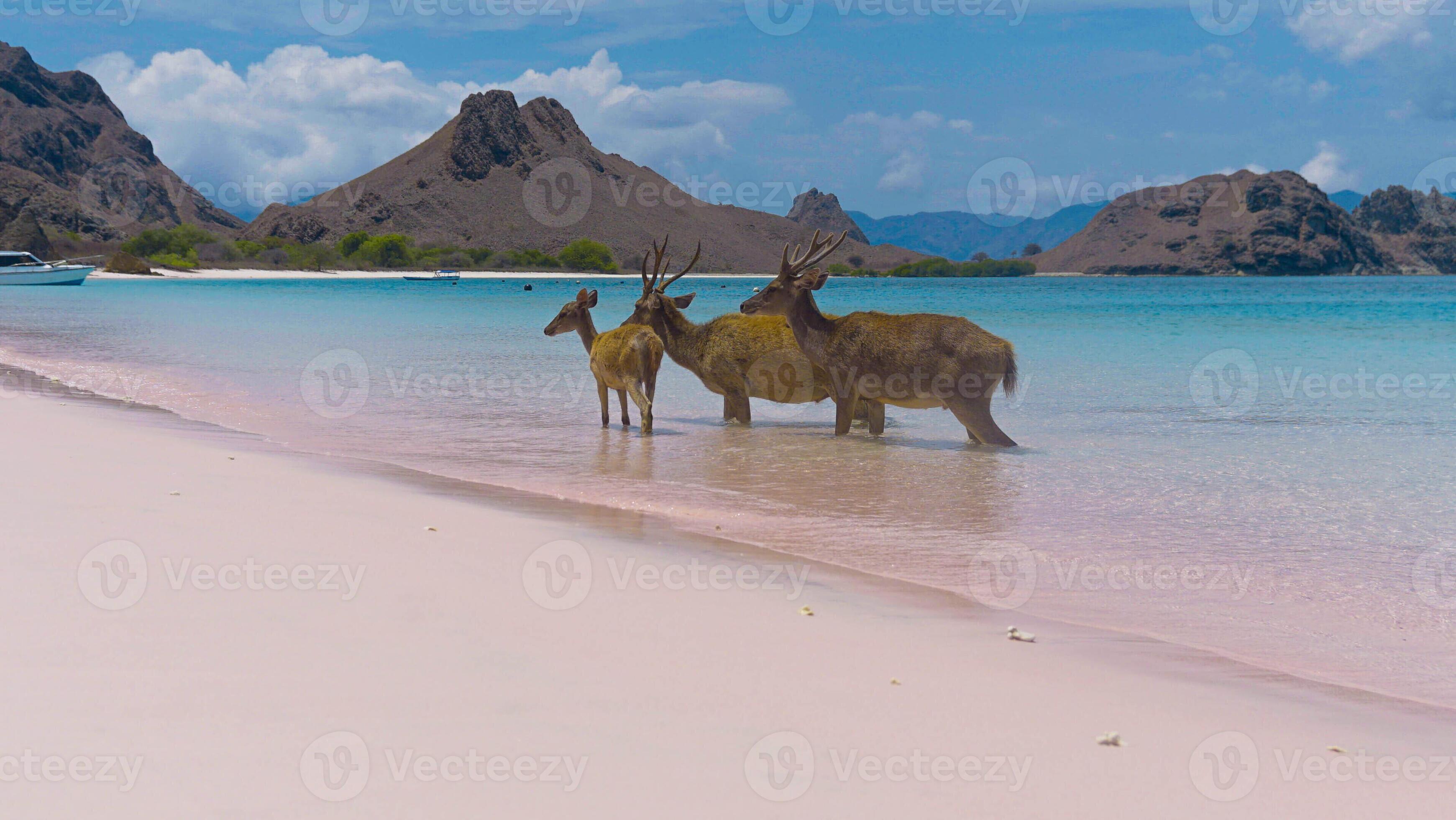
The Timor deer is a tropical deer native to Indonesia and East Timor. Their habitats are in sun-dappled forests and open savanna or grassland.
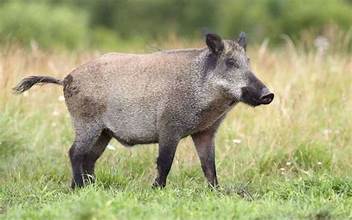
Wild boar have a high population due to their quick reproduction rates and the lack of predators.
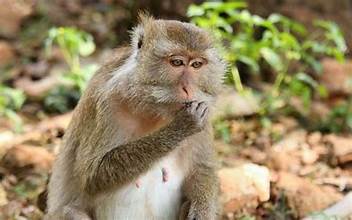
Crab-eating Macaques are also known as the long-tailed macaque. Their name refers to their body and eating behaviors. As omnivores, they eat animals and plants, including fruit, seeds, leaves, flowers, roots, and barks. Sometimes, they also prey on birds, lizards, frogs, and fish.
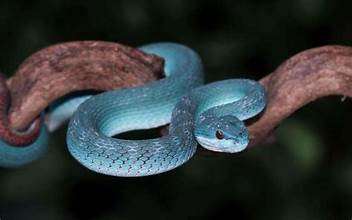
Pit vipers inhabit dry monsoon forests as well as tropical moist forests. These snakes’ colors are green or blue. They use their venom when hunting for food, such as mice and lizards.
The Largest Lemurs
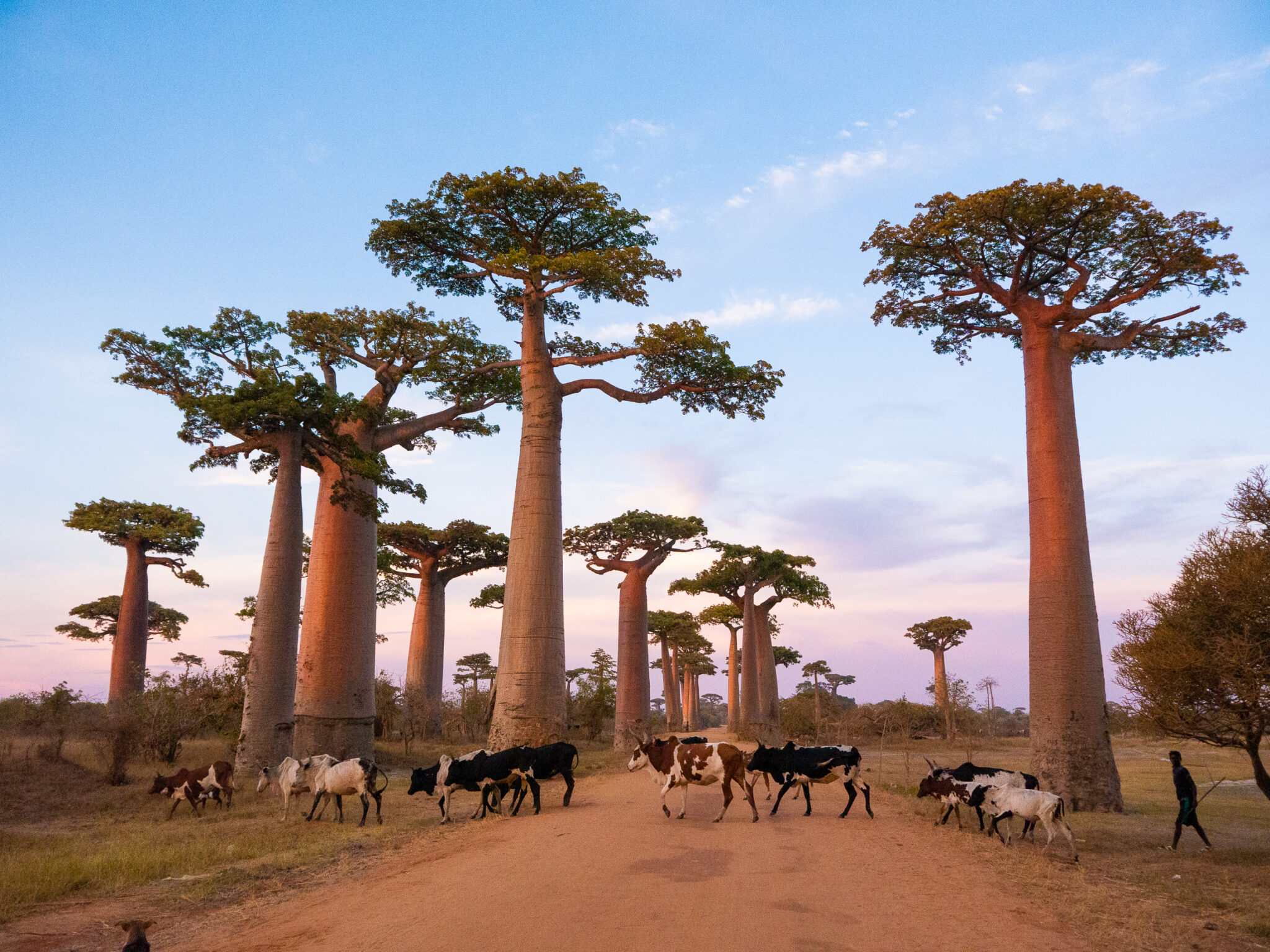
Madagascar is a biodiversity treasure trove. Separated from mainland Africa millions of years ago, the island has developed an ecosystem where over 90% of its species exist nowhere else. Its most iconic residents are the lemurs, playful primates that are as diverse as they are charming. Madagascar is home to over 100 species of lemurs, making it the world's primary habitat for these primates.
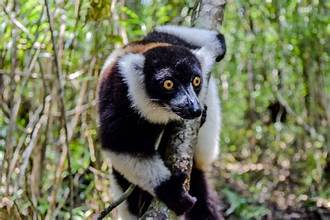
Andasibe-Mantadia National Park features a mix of montane rainforest and rolling hills, hosting a variety of flora and fauna, including the indri lemur, the largest living lemur species the largest living lemur species.
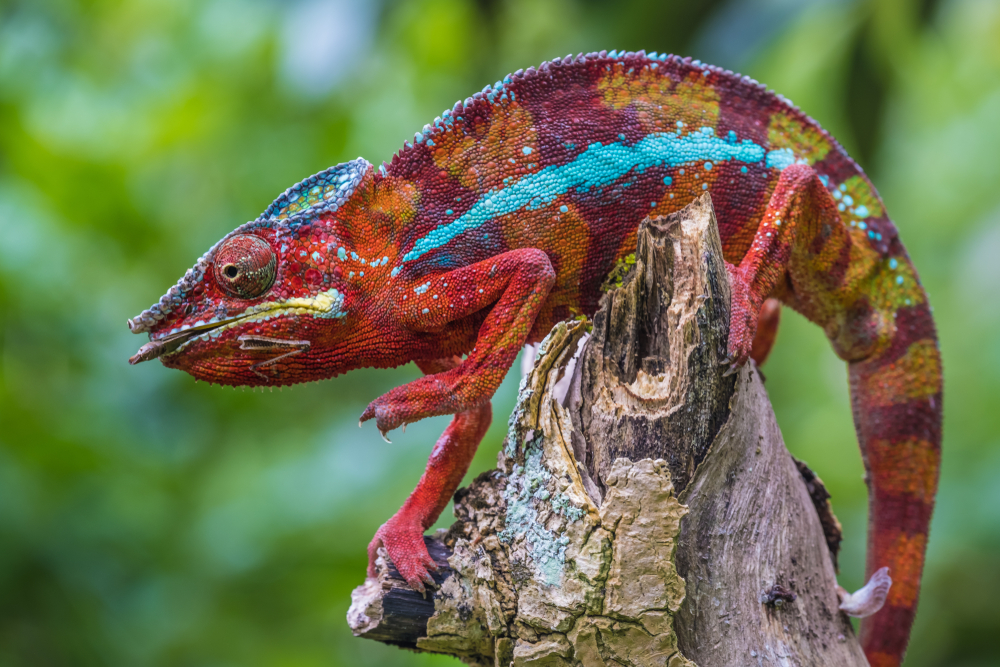
Madagascar also shelters a wealth of other unique wildlife, such as brilliantly colored chameleons, the fossa (a predator similar to a mongoose), and the eerie-looking aye-aye.
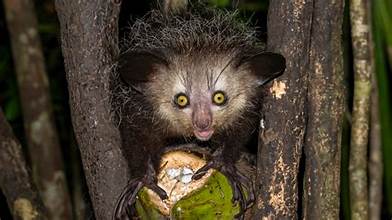
Aye-ayes can be found only on the island of Madagascar. These rare animals may not look like primates at first glance, but they are related to chimpanzees, apes, and humans.
Meet the Aldabra Giant Tortoises
Situated in the Indian Ocean, the Seychelles archipelago is known for its amazing beaches.
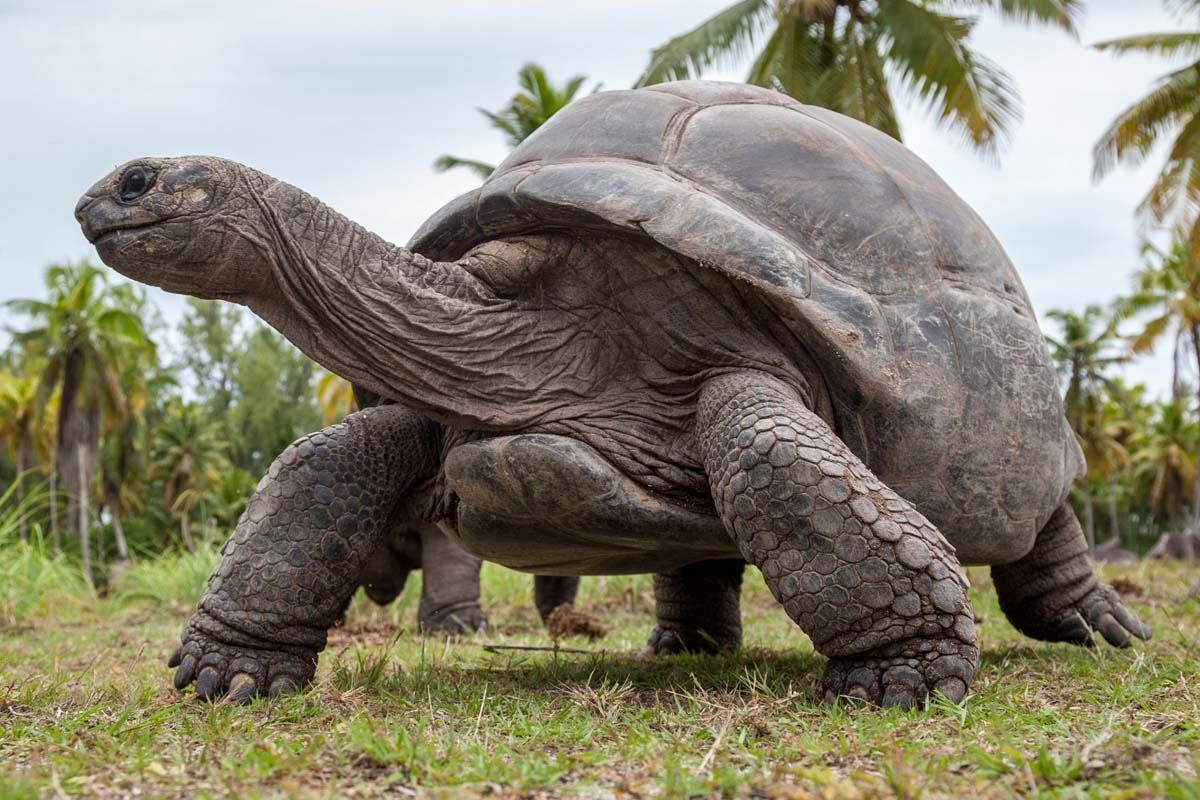
The island is home to the Aldabra giant tortoises, which roam freely on islands like Curieuse and the remote Aldabra Atoll. These tortoises can live over 100 years and weigh as much as 500 pounds.
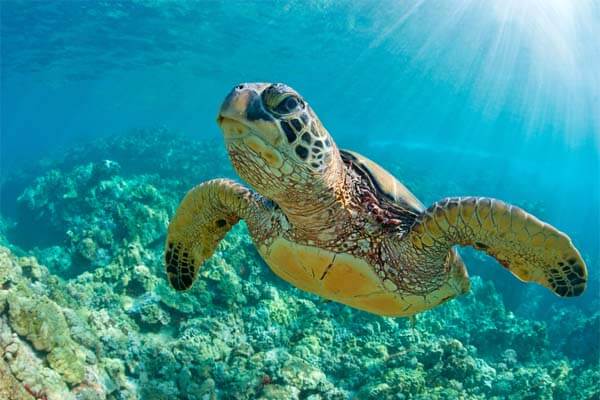
The islands are also an important nesting site for hawksbill and green sea turtles, which return annually to lay their eggs.
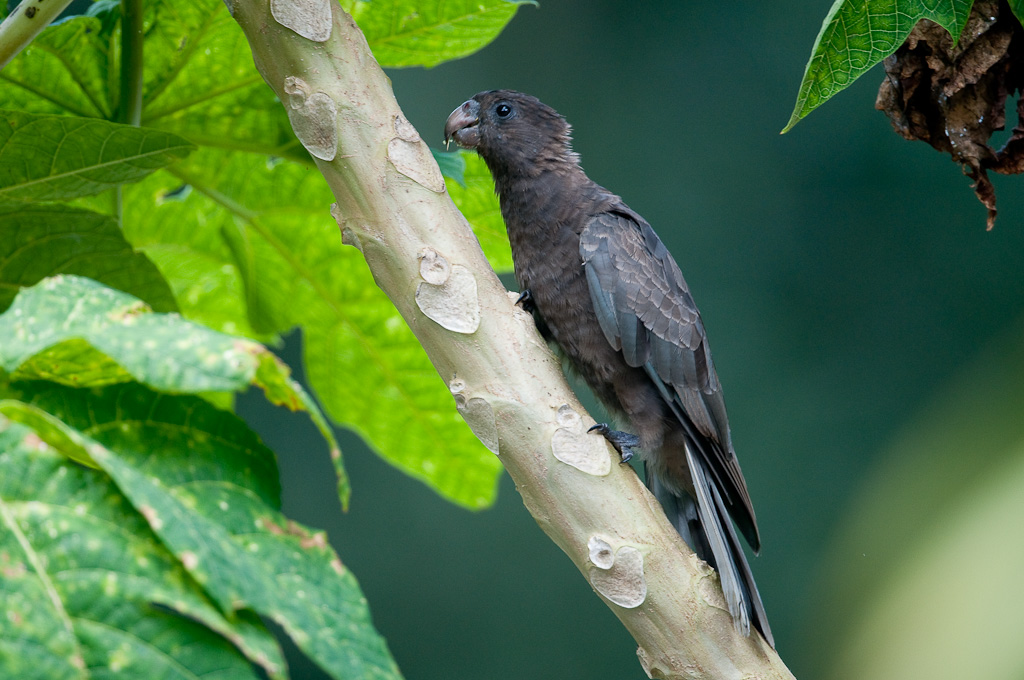
Seychelles is a bird-watching paradise, too, with species like the Seychelles black parrot and fairy tern making their home here.
Paradise for Asian Elephants
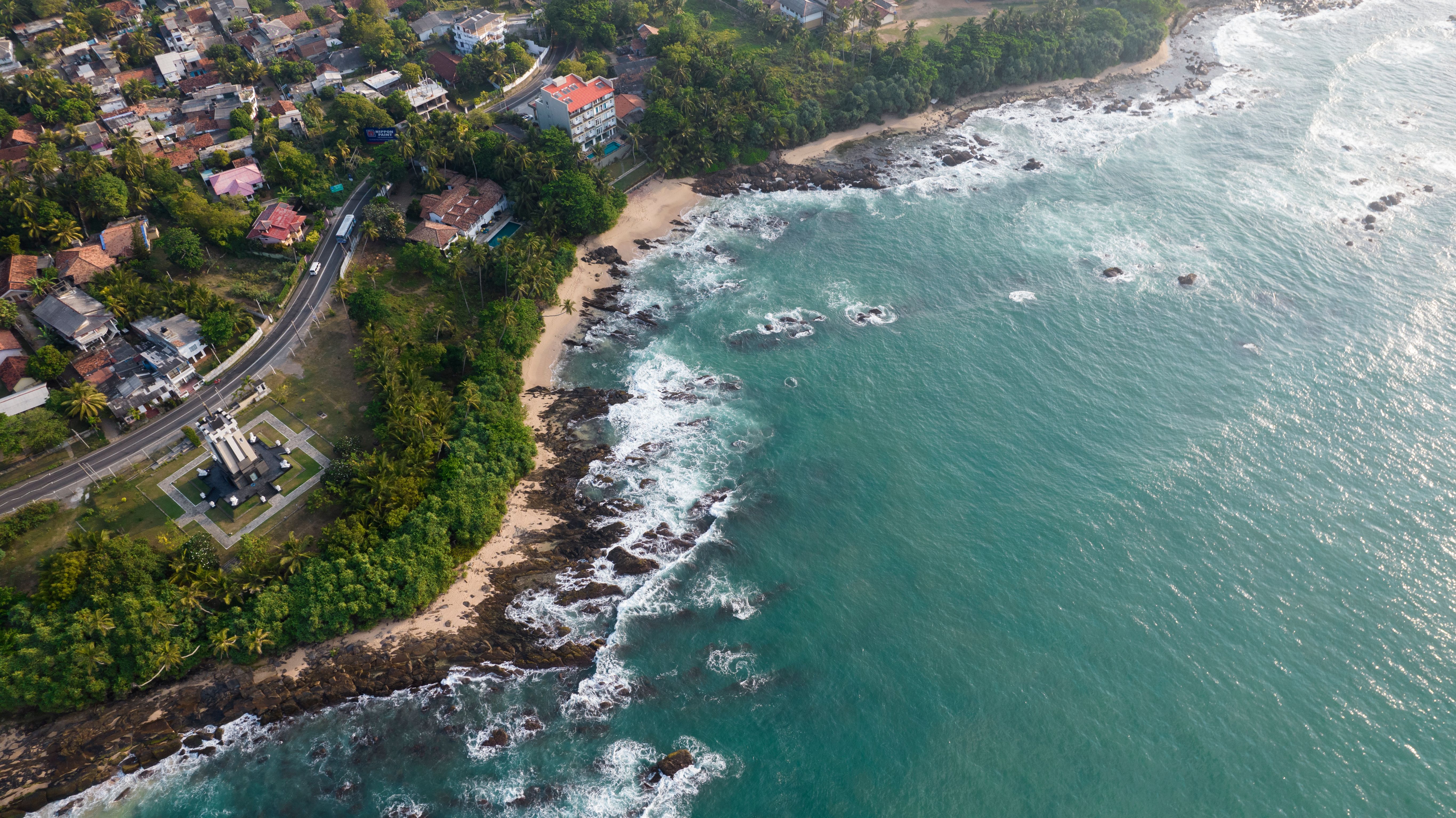
Sri Lanka, officially the Democratic Socialist Republic of Sri Lanka, formerly known as Ceylon, is an island country in South Asia.
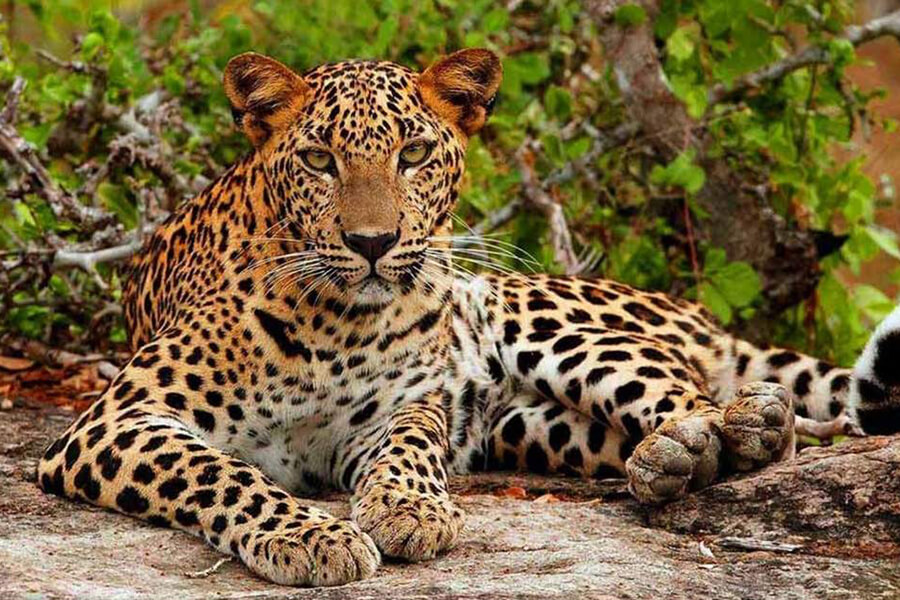
Yala National Park is the best place to see leopards. Yala is home to over 200 species of birds and numerous mammals, including elephants and leopards.
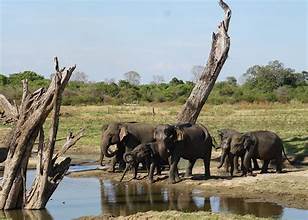
Sri Lanka is also home to large populations of wild Asian elephants, which gather in herds in Udawalawe National Park. It is famous for its significant number of wild elephants, making it a prime location for elephant safaris.
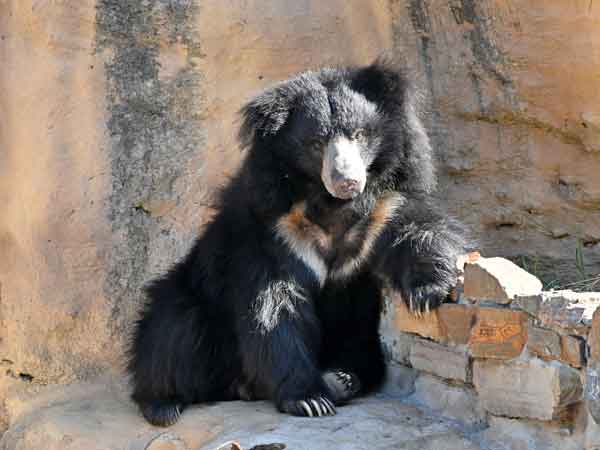
The Sri Lankan sloth bear is a unique subspecies found only in Sri Lanka, characterized by its shaggy black fur and a distinctive white chest patch. These bears primarily inhabit forests and scrublands, and they are known for their insectivorous diet, particularly enjoying termites and ants.
Island of the Devils
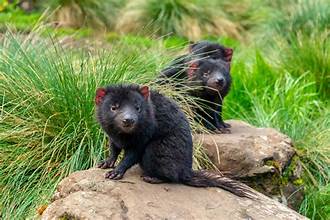
Situated off the southern coast of Australia, Tasmania is an island state and known as the last refuge of the Tasmanian devil.
Tasmanian devils are carnivorous marsupials known for their powerful jaws and feisty temperaments. While these animals are shy and primarily nocturnal, visitors can see them at wildlife sanctuaries or in the wild on dusk or nighttime tours.
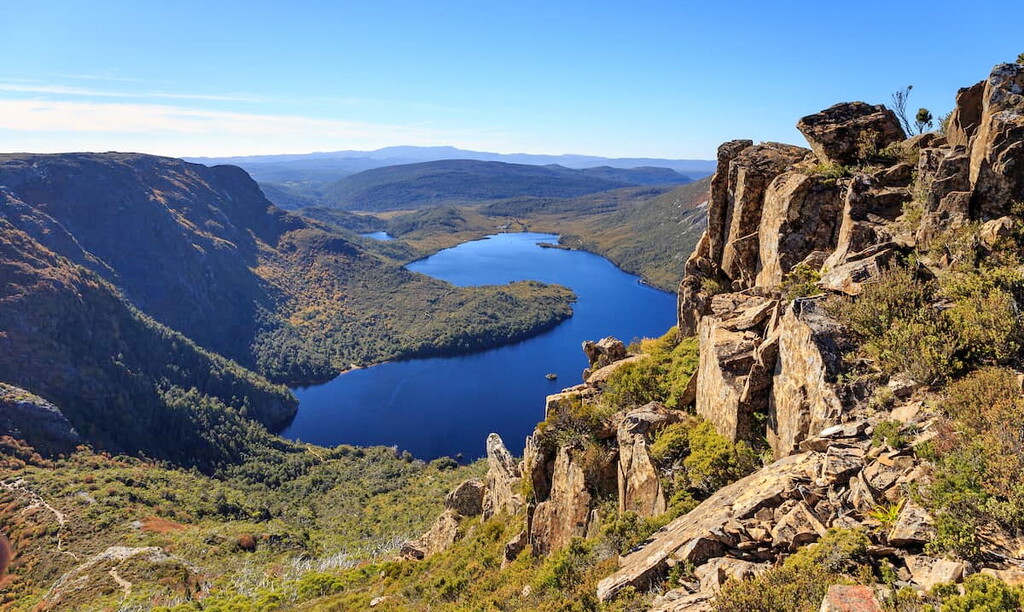
Cradle Mountain-Lake St. Clair National Park is a stunning natural reserve in Tasmania, recognized for its breathtaking landscapes, diverse ecosystems, and the famous Overland Track hiking trail. This park is part of the Tasmanian Wilderness World Heritage Area, making it a significant destination for nature lovers and outdoor enthusiasts. It includes Cradle Mountain in the north and Lake St. Clair in the south, both iconic landmarks.
Besides Tasmanian devils, the park hosts various animals, including quolls, echidnas, and the inquisitive black currawong.
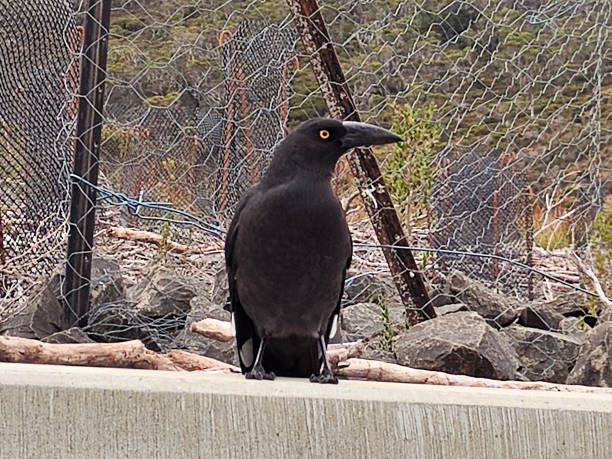
The black currawong is a notable bird in this national park. It thrives in the forests and highlands.
About the Creator
Rasma Raisters
My passions are writing and creating poetry. I write for several sites online and have four themed blogs on Wordpress. Please follow me on Twitter.
Enjoyed the story? Support the Creator.
Subscribe for free to receive all their stories in your feed. You could also become a paid subscriber, letting them know you appreciate their work.
Comments
There are no comments for this story
Be the first to respond and start the conversation.