
Is the Strait of Hormuz Open for America?
Strategic Lifeline or Flashpoint? The Uncertain Status of a Critical Waterway

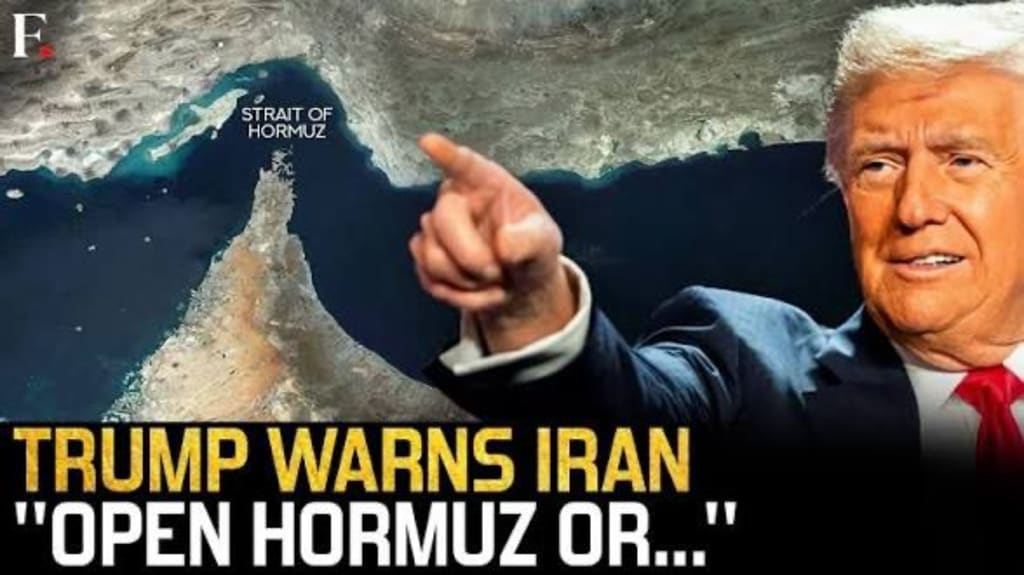
The Strait of Hormuz has long been one of the most critical maritime chokepoints in the world, serving as a gateway for nearly a fifth of global oil shipments. In 2026, however, this vital route has become the center of geopolitical tension, raising a pressing question: Is the Strait of Hormuz open for America?
A Technically Open but Practically Restricted Passage
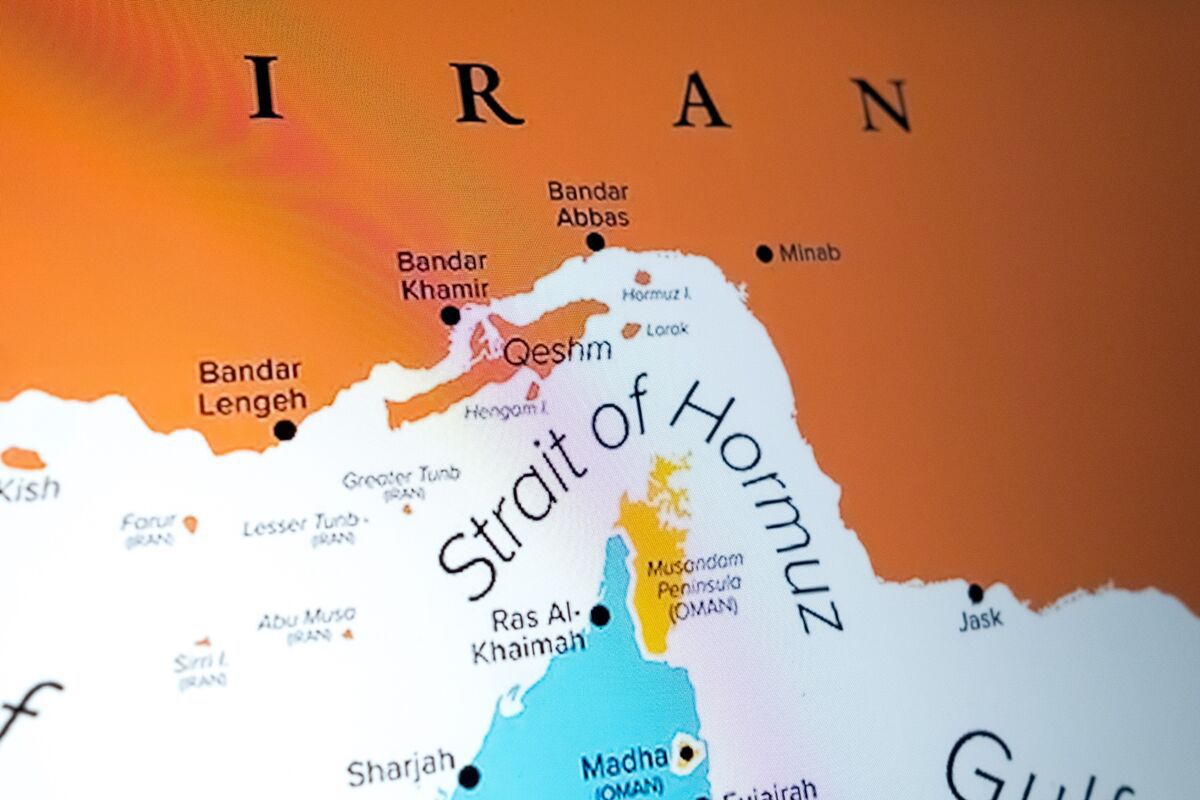
Officially, Iran maintains that the Strait of Hormuz is “open” for maritime traffic. However, this claim comes with important limitations. In reality, the strait is operating under strict surveillance and selective access, meaning not all countries enjoy equal freedom of passage.
For the United States, the situation is particularly complicated. While American naval vessels have occasionally attempted to pass through the strait under the principle of “freedom of navigation,” these movements are closely monitored and carry significant risks.
Iran’s Strategic Control
Iran, which holds a dominant geographical position along the strait, has used this leverage to impose conditions on maritime traffic. Reports suggest that vessels linked to the United States and its allies—especially those perceived as adversaries—face heightened scrutiny, delays, or outright denial of safe passage.
This selective control is part of a broader geopolitical strategy. Amid tensions involving Iran, the United States, and regional actors like Israel, the strait has effectively become a tool of political pressure.
Security Risks and Military Presence
Even when passage is technically possible, it is far from safe. The waters of the Strait of Hormuz remain tense due to:
- Naval patrols and military build-up
- The lingering threat of sea mines
- Surveillance and interception risks
- Potential escalation at any moment
For U.S.-linked commercial shipping, these risks translate into high insurance costs and operational uncertainty, discouraging regular transit.
Freedom of Navigation vs. Reality
The United States has historically emphasized the importance of keeping international waterways open under global maritime law. However, in the current climate, the principle of free navigation clashes with on-ground realities.
While U.S. naval forces may still navigate the strait as part of strategic operations, this does not mean that normal, unrestricted access exists. Instead, each movement is calculated, cautious, and politically sensitive.
Global Implications
The restricted access to the Strait of Hormuz does not only affect the United States—it has global consequences. As one of the world’s most important oil transit routes, any limitation in its operation disrupts energy markets, increases prices, and creates uncertainty in international trade.
Countries that rely heavily on Gulf oil exports are especially vulnerable, while alternative shipping routes are longer, more expensive, and less efficient.
- The Real Answer
- So, is the Strait of Hormuz open for America?
- The most accurate answer is:
- 👉 “Yes, but not freely—and not safely.”
The strait is not officially closed to the United States, but it is heavily restricted, politically controlled, and operationally risky. This makes it far from a normal or reliable passage for American vessels.
The U.S. Navy continues to patrol the region to ensure freedom of navigation, emphasizing that international waters must remain accessible. Meanwhile, Iran has occasionally warned it could restrict access in response to sanctions or military pressure, though it has not fully closed the strait.
In reality, the Strait of Hormuz is open—but under constant watch. Its status reflects a delicate balance of power, where diplomacy, deterrence, and global economic interests intersect. Any escalation could quickly turn this crucial waterway from an open passage into a global crisis point
Conclusion
The Strait of Hormuz remains a symbol of how geography and geopolitics intersect. While it is technically open, the reality on the ground tells a different story—one of tension, control, and uncertainty.
For the United States, access to this crucial waterway exists in theory but is limited in practice. Until diplomatic tensions ease and security concerns are resolved, the Strait of Hormuz will continue to operate not as a free global passage, but as a strategic corridor shaped by power and politics.
About the Creator
Sk
"I am a passionate writer, crafting books and articles on Vocal Media, exploring human experiences, stories, and creative reflections."
Enjoyed the story? Support the Creator.
Subscribe for free to receive all their stories in your feed.
Comments
There are no comments for this story
Be the first to respond and start the conversation.