
Is Kenya ready for the Green Hydrogen Strategy
Demerits of the Green Hydrogen Project
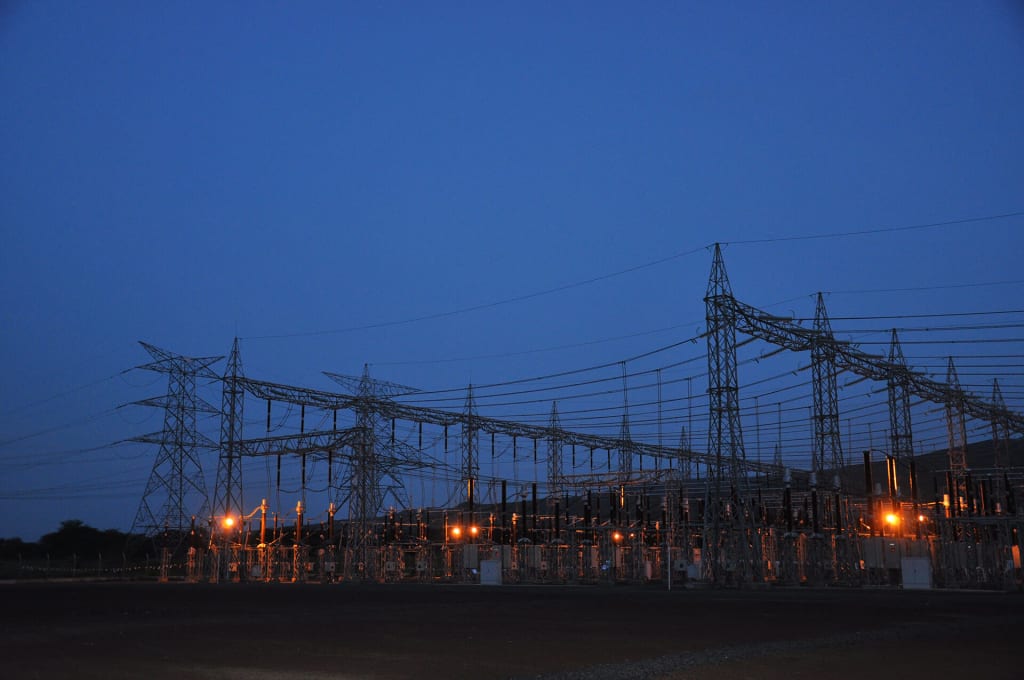
The Green Hydrogen Strategy is a project proposed for Kenya in the Africa Climate Summit that was hosted in Nairobi, Kenya this year. This is a critical article that provides insight on the project from a realistic point of view. Considering Kenya's financial situation, debt to GDP ratio and already existing pressing matters, it would be fair to say that heavy investment on this project would best be defined as misalignment of national priorities.
As stated in its executive summary, the Green Hydrogen strategy does have noteworthy benefits such as improving the country’s balance of payments by reducing foreign dependence on hydrogen-based commodities such as nitrogen fertilizers, improving food security as it intends to increase agricultural output through local production of the necessary fertilizers, boosting industrialization by enabling the formation of manufacturing value chains hence growth of different downstream companies and job opportunities and finally attracting of significant public and private investment to Kenya hence industrial development.
Despite its significant benefits to Kenya, the project’s demerits outweigh its advantages. The initial cost necessary for the offset of this project is extremely high, keeping in mind the already existing outstanding debt of 70.75 billion dollars. The project proves to be energy intensive as massive amount of renewable energy are required for the process of electrolysis to occur, enough to split hydrogen and oxygen molecules, also keeping in mind that only 76.54% of the country has access to electricity which shows how ironical it would be to direct substantial amounts of energy to this project when 23.46% of Kenyans do not have access to this same electricity. Developing the infrastructure needed for green hydrogen is another substantial challenge as electrolysis plants, pipelines and refuelling stations would be required which proves to be capital intensive. Several other disadvantages such as specialized storage and transport of Hydrogen gas, competition for resources from existing challenges within the country that require utmost attention as well as competition for the limited amounts of renewable energy (wind, solar and geothermal), technological immaturity, lack of skilled workforce, scarcity of water which is a primary raw material for the project and unavailability of a ready market pose as few of the many other demerits of the project. Not to mention the proposal of having hydrogen driven cars when there is already a very stiff competition existing between petrol and diesel driven cars and electric cars.
The Green Hydrogen Strategy does seem to have a lot of beneficial attributes to Kenya however, the country is clearly not in the right financial and socio-economic position to undertake such a project. Other existing pressing factors such as the existing internal and international debts, hunger-stricken parts such as the Northern and North-Eastern parts of the country, under-funded development projects, rampant corruption within the government, debilitating state of the economy and insecurity(banditry). All this to say that climate action in the country and beyond its borders remains to be a priority, however, the initial capital necessary to fund the green hydrogen strategy proves to me a misalignment of priorities. Instead, the country could focus on ways to mitigate existing practices that increase our carbon footprint as a country. This is a cheaper and equally effective alternative that the country can undertake easily due to its affordability and can be taken on simultaneously with the other pressing factors.
Such alternatives could include subsidizing importation of electric/hybrid cars, setting up CHAdeMO and SAE Combo charging ports for the cars in question and ensuring strict adherence to the rules against un-roadworthy vehicles based on the toxic emissions of the vehicles. They could place carbon dioxide detectors in factories prone to releasing large amounts of emissions to ensure monitoring of the factories in question.
As important as green energy is to our country and its future, Kenya is facing adversities that require the governments immediate attention and intervention. The above said alternatives once completed or established would enable the government to kill two birds with one stone, within its budget.
https://www.africanews.com/2023/08/16/kenyas-public-debt-rises-by-a-record-108-billion//#:~:text=Total%20public%20debt%20rose%20by,to%20the%20data%20released%20Tuesday.
https://www.eeas.europa.eu/sites/default/files/documents/2023/GREEN%20HYDROGEN%20EXEC_0209_0.pdf
https://www.macrotrends.net/countries/KEN/kenya/electricity-access-statistics#:~:text=Access%20to%20electricity%20is%20the,a%205.05%25%20increase%20from%202020.
About the Creator
Enjoyed the story? Support the Creator.
Subscribe for free to receive all their stories in your feed.
Comments
There are no comments for this story
Be the first to respond and start the conversation.