
Iran vs UAE: Why Oman Stayed Different
Understanding the Gulf Power Game

Iran vs UAE: Why Oman Stayed Different
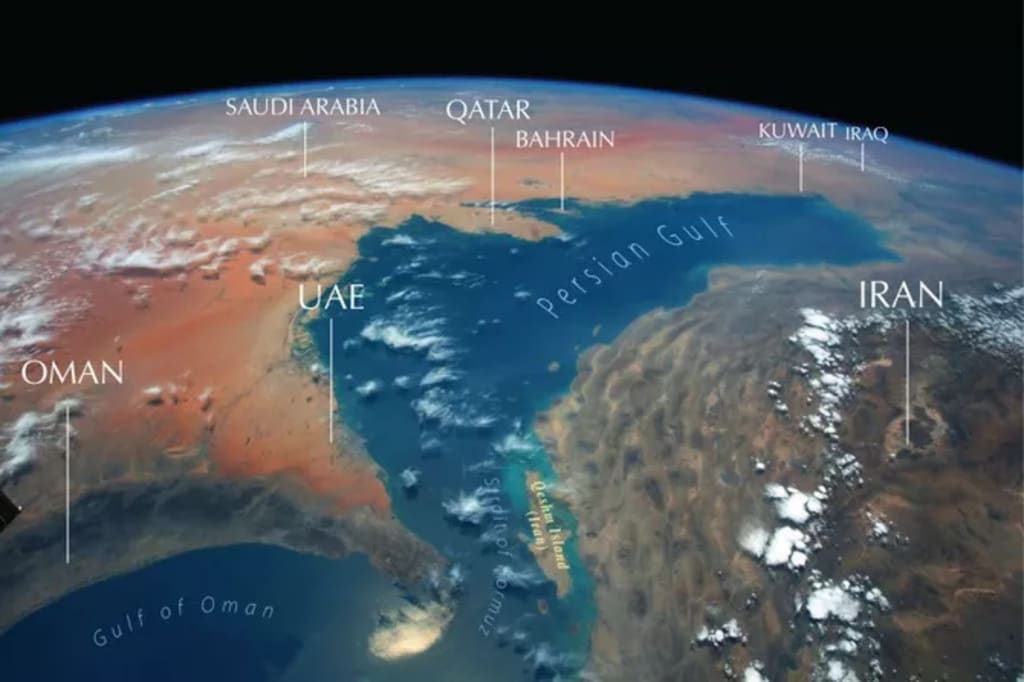
Tensions in the Middle East often raise one big question: why does Iran show strong hostility toward the UAE, while Oman usually remains outside direct confrontation? Many people ask whether Iran wants to invade the UAE and why Oman has often been treated differently.
The answer lies in geography, politics, military strategy, and decades of diplomacy.
Why UAE Faces More Pressure
The United Arab Emirates sits very close to Iran across the Strait of Hormuz, one of the world’s most important oil routes. Around global oil shipments pass through this narrow waterway, making it a strategic choke point.
The UAE has strong military and economic ties with the United States and Western allies. It also strengthened relations with Israel through diplomatic agreements, which Iran strongly opposes. During recent regional tensions, analysts noted that the UAE’s closer ties with the U.S. and Israel increased friction with Tehran.
Iran often sees the UAE as part of a larger security challenge because Gulf states hosting Western influence near Iranian waters are viewed as strategic threats.
This does not automatically mean Iran plans a full invasion, but it does explain why pressure, threats, and military signaling are stronger toward the UAE.
Why Oman Was Usually Different
Oman has long followed a neutral foreign policy. It is often called the “Switzerland of the Gulf” because it avoids choosing sides in major regional conflicts.
Unlike some Gulf states, Oman did not aggressively align against Iran. Instead, it maintained diplomatic channels with Tehran and often served as a mediator between Iran and the United States. Oman hosted sensitive back-channel nuclear discussions and quiet diplomacy for years.
A major historical reason goes back to the 1970s. During the Dhofar rebellion in Oman, the Shah of Iran sent troops to help Oman defeat insurgents. This created a long-term security bond and institutional trust between the two countries. Even after Iran’s 1979 revolution, that relationship survived.
Because of this history, Iran traditionally viewed Oman more as a trusted neighbor than a frontline rival.
But Oman Was Not Fully Untouched
Recent 2026 conflict reports show that Iran-linked strikes did affect Omani ports like Duqm and Salalah, although Iranian officials publicly described Oman as a “friendly neighbouring and brotherly country” and denied intentionally targeting Oman.
This shows that even friendly relations do not fully protect a country when war expands across the Gulf.
Still, Oman remains far less politically hostile toward Iran than the UAE.
Economic Interests Matter
Both Iran and Oman depend heavily on stability around the Strait of Hormuz. Oman helps secure maritime passage and benefits from peaceful trade. Iran also knows that damaging ties with Oman could close one of its most valuable diplomatic doors.
Oman’s role as mediator gives it strategic importance beyond military calculations.
The Real Difference
The UAE is seen by Iran as part of a broader Western-aligned security structure.
Oman is seen as a neutral bridge for diplomacy.
That is the biggest reason why the two countries are treated differently.
Iran’s strategy is rarely just about war—it is also about leverage, pressure, and protecting regional influence.
Conclusion
Iran’s relationship with the UAE is shaped by rivalry, military tension, and strategic suspicion.
Its relationship with Oman is shaped by history, trust, and diplomacy.
That is why headlines may suggest conflict with the UAE, while Oman often remains the quiet exception.
In Gulf politics, friendship is rarely permanent—but neutrality can be powerful.
About the Creator
Wings of Time
I'm Wings of Time—a storyteller from Swat, Pakistan. I write immersive, researched tales of war, aviation, and history that bring the past roaring back to life
Enjoyed the story? Support the Creator.
Subscribe for free to receive all their stories in your feed.
Comments
There are no comments for this story
Be the first to respond and start the conversation.