
Indonesia Earthquake Rescue Mission Continues as Victims Are Sought on Independence Day
A powerful 7.7-magnitude earthquake has devastated parts of Flores, leaving dozens dead, hundreds injured and thousands displaced as rescuers race against time
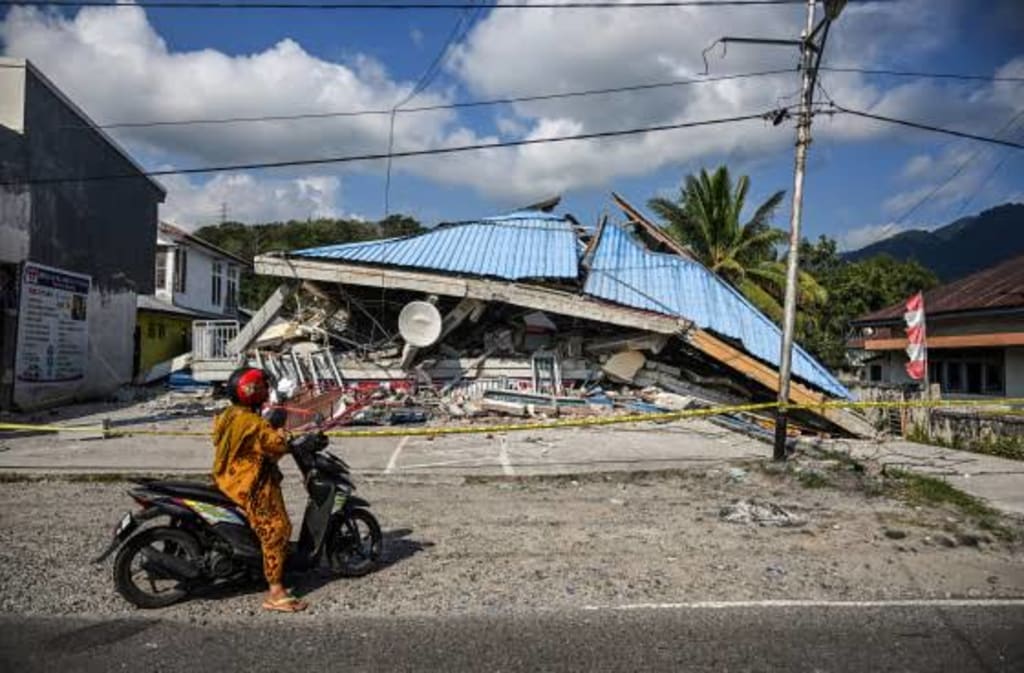
Indonesia's Independence Day celebrations took place under a heavy shadow on Monday as rescue teams continued searching for victims following a devastating earthquake that struck the island of Flores in East Nusa Tenggara.
The powerful earthquake killed at least 68 people and injured more than 200, according to Indonesian authorities cited by Reuters. Thousands of residents have been displaced, while rescuers continue searching damaged buildings and isolated communities for people who may still be trapped.
The disaster has created an extraordinary contrast across Indonesia. While national Independence Day ceremonies were being held, communities in the affected region were mourning loved ones, sleeping outdoors and waiting for emergency supplies.
A Powerful Earthquake Strikes Flores
The earthquake struck early Saturday at a shallow depth of around 10 kilometres, according to the U.S. Geological Survey. The shallow nature of the tremor contributed to its destructive impact on communities across the region.
The earthquake caused widespread structural damage, including collapsed homes and damage to public buildings. Landslides also blocked roads, making it difficult for emergency teams to reach some communities.
Authorities have recorded more than 1,500 aftershocks since the main earthquake. Although many were not strong enough to cause major additional damage, the continuing tremors have frightened survivors and made rescue operations more difficult.
Rescuers Continue Searching Through Rubble
Emergency teams are working through damaged structures in an effort to locate missing people.
Search-and-rescue operations are particularly challenging in areas where roads have been blocked by landslides or damaged by the earthquake. Heavy equipment, helicopters and other emergency resources are being used to reach communities that remain difficult to access.
The priority is to find survivors as quickly as possible.
In major earthquakes, the first hours and days can be critical for people trapped beneath collapsed structures. Rescue workers therefore face intense pressure while also having to consider their own safety because damaged buildings can collapse further during aftershocks.
Thousands of People Are Sleeping Outside
Many survivors have chosen not to return to their homes because of fears that additional earthquakes could cause further collapses.
Temporary shelters and tents have been established in affected areas, but conditions remain difficult. Residents have reported shortages of basic necessities, including clean water, food and medical assistance.
For families who have lost homes, the immediate emergency is only the beginning.
They will need temporary accommodation, sanitation facilities, healthcare and food supplies. In the longer term, damaged houses, schools, roads and public buildings will need to be repaired or rebuilt.
Medical Services Face Serious Pressure
The earthquake has also placed enormous pressure on healthcare facilities.
Some health centres and hospitals have been damaged, forcing medical teams to work in temporary facilities or outside conventional hospital buildings.
Emergency medical teams are treating injured survivors while attempting to maintain essential services for people with existing medical needs.
One extraordinary story emerging from the disaster involved an emergency caesarean operation performed during the earthquake crisis. A mother gave birth to a premature baby girl while the hospital was experiencing power problems and aftershocks. Medical staff reportedly relied on flashlights during the emergency procedure.
The newborn, named Gempita after an Indonesian word associated with earthquakes, was reported to be stable.
Independence Day Takes on a Different Meaning
August 17 is Indonesia's Independence Day, normally a major national celebration featuring ceremonies, flags and public events.
This year, however, the disaster changed the mood.
During the national ceremony in Jakarta, President Prabowo Subianto called for prayers for people affected by disasters and led a moment of silence to remember those who died.
In affected communities, many residents had little interest in celebrations.
Their immediate concerns were finding relatives, securing shelter and obtaining food and water.
The contrast highlights how national moments of celebration can quickly become moments of solidarity when disaster strikes.
Aid Efforts Face Difficult Logistics
Delivering emergency supplies to Flores is proving challenging.
Blocked roads and damaged infrastructure have slowed transportation, while some communities remain isolated.
According to reports, Indonesian authorities have mobilised military and police personnel and aircraft to support relief operations. Large quantities of emergency supplies are being transported to affected areas, while temporary medical facilities are being established.
The logistical challenge is enormous.
Relief agencies must determine which communities have the most urgent needs and find safe ways to deliver assistance. Weather, damaged roads and continuing aftershocks can all complicate the process.
Indonesia's Location Makes Earthquake Preparedness Essential
Indonesia is located along the Pacific Ring of Fire, one of the world's most seismically active regions.
Earthquakes and volcanic activity are therefore a recurring threat across the archipelago.
The latest Flores disaster has revived memories of previous catastrophes in the region, including the devastating 1992 Flores earthquake and tsunami. That disaster killed or left missing thousands of people.
The history demonstrates why earthquake-resistant construction, emergency planning and public education are so important.
The Long Road to Recovery
Even after rescue operations finish, the crisis will continue.
Thousands of displaced residents will need somewhere safe to live. Families who lost homes will require financial and practical support. Schools and healthcare facilities will need repairs, while damaged roads and other infrastructure must be restored.
The psychological impact could also last for years.
Survivors who experienced the earthquake and repeated aftershocks may face fear and uncertainty long after the physical damage has been repaired.
A Test of Indonesia's Emergency Response
The Flores earthquake is now testing Indonesia's ability to coordinate a large-scale emergency response across difficult terrain.
The immediate priority remains saving lives and delivering essential supplies.
But the disaster also highlights broader lessons for earthquake-prone countries: strong building standards, accessible emergency routes, reliable communication systems and well-trained rescue teams can make a major difference when a disaster occurs.
Conclusion
Indonesia's Independence Day in 2026 will be remembered differently in Flores and other affected parts of East Nusa Tenggara.
Instead of celebrating normally, thousands of families are searching for loved ones, mourning victims and waiting for assistance.
With at least 68 people confirmed dead and more than 200 injured, the earthquake has become one of Indonesia's most serious recent disasters. Rescue teams continue searching damaged buildings while authorities work to reach isolated communities and provide essential supplies.
The immediate mission is to find survivors and protect those who have been displaced. After that will come the much longer challenge of rebuilding homes, infrastructure and lives.
For Indonesia, the disaster is another reminder of the enormous power of nature—and of the importance of preparedness, rapid rescue operations and national solidarity when communities face catastrophe
About the Creator
Enjoyed the story? Support the Creator.
Subscribe for free to receive all their stories in your feed.
Comments
There are no comments for this story
Be the first to respond and start the conversation.