
India Bottled Water Market: Health Consciousness, Urbanization & Industry Forecast
Increasing health awareness, rising urban consumption, and water safety concerns are creating strong growth across the India bottled water market.
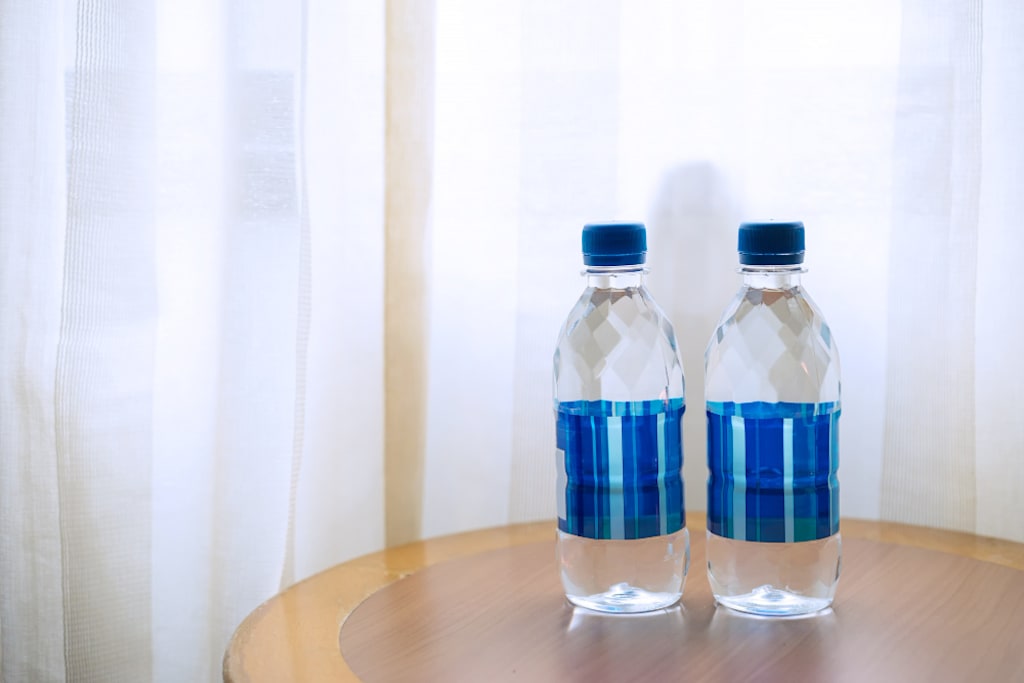
Access to safe drinking water has long been one of India's most persistent public health challenges. Despite considerable government investment in water infrastructure, the gap between supply and safe consumption remains wide and it is precisely this gap that has made bottled water one of the country's most consistently expanding consumer categories. What began as a niche product accessed primarily by urban elites and travelers has evolved into a mainstream household essential consumed across income segments, geographies, and consumption occasions. Today, India's bottled water market is a strategically significant industry at the intersection of public health, consumer behavior, and environmental responsibility and its growth trajectory over the coming decade is poised to be substantial.
According to IMARC Group's latest market research, the India bottled water market was valued at USD 10.71 billion in 2025 and is projected to reach USD 29.70 billion by 2034, expanding at a compound annual growth rate of 12.00% during the 2026–2034 forecast period. This article examines the structural forces driving that growth, the market's key segments, the trends shaping its future, the competitive dynamics at play, and the challenges that the industry must navigate.
Why the Market is Growing so Rapidly?
Inadequate Municipal Water Infrastructure Supporting Long-Term Demand
Despite significant progress under government initiatives such as the Jal Jeevan Mission, concerns regarding water quality, supply reliability, pipeline leakages, and groundwater depletion continue to affect consumer confidence in tap water. As a result, bottled water remains a trusted and convenient source of safe drinking water for millions of consumers across urban and rural India.
Rising Health Awareness and Focus on Safe Hydration
Growing awareness of waterborne diseases and the importance of clean drinking water is driving stronger demand for packaged water products. Post-pandemic hygiene consciousness has further encouraged consumers to prioritize quality-certified bottled water, expanding adoption across diverse income groups and strengthening long-term market demand.
Urbanization and Expanding Institutional Consumption
Rapid urbanization, busy lifestyles, and increasing workforce mobility are boosting demand for portable hydration solutions. Additionally, growing consumption across hotels, restaurants, corporate offices, healthcare facilities, educational institutions, and transportation hubs is significantly contributing to bottled water market expansion, supported by rising standards for safety and convenience.
How is India Bottled Water Market Segmented?
Product Type Insights:
- Still
- Carbonated
- Flavored
- Mineral
The still dominates with a market share of 50.25% of the total India bottled water market in 2025.
Distribution Channel Insights:
- Supermarkets and Hypermarkets
- Convenience Stores
- Direct Sales
- On-Trade
- Others
The supermarkets and hypermarkets lead with a share of 45.37% of the total India bottled water market in 2025.
Regional Insights:
- North India
- West and Central India
- South India
- East and Northeast India
North India exhibits a clear dominance with a 32% share of the total India bottled water market in 2025.
Key Emerging Trends and Strategic Outlook
Premiumization and Natural Mineral Water
One of the most consequential shifts in the India bottled water market is the accelerating premiumization trend. Urban, health-conscious consumers — particularly in metropolitan areas are increasingly willing to pay a premium for water products perceived to offer superior quality, enhanced health benefits, or distinctive sourcing credentials.
Glacier-sourced, spring, and mineral-rich water variants are gaining traction among this consumer segment. Alkaline and pH-balanced water products are attracting interest for their perceived benefits in digestion and general wellness. The May 2024 launch of Rhythm Water, a premium natural mineral water brand sourced from the Himalayas, exemplifies the kind of premium positioning that is finding a receptive audience among discerning urban consumers. Luxury hotels, fine-dining establishments, and corporate offices are driving institutional demand for premium variants as part of elevated guest and employee experience offerings.
Sustainability and Eco-Friendly Packaging
Environmental responsibility has emerged as a defining strategic imperative for the bottled water industry. Consumer sentiment particularly among millennials and Generation Z — is shifting meaningfully toward brands that demonstrate commitment to sustainable practices. Regulatory pressure is reinforcing this commercial incentive: government initiatives targeting single-use plastic waste and Extended Producer Responsibility requirements are compelling manufacturers to invest in alternative packaging and recycling infrastructure.
In response, leading brands are adopting recyclable plastics, biodegradable materials, paper cartons, plant-based bioplastics, aluminum bottles, and glass packaging. A landmark development came with Coca-Cola India and ALPLA launching India's first 100% recycled PET bottle for packaged drinking water under the Kinley brand — a significant step toward circular packaging in the mainstream bottled water segment. Brands that lead on sustainability credentials are increasingly finding that this positioning is both a differentiator in premium urban markets and a form of regulatory risk management.
E-Commerce and Quick Commerce Expansion
The digitalization of retail is reshaping bottled water distribution in India at a pace that has accelerated considerably since the pandemic. Quick commerce platforms offering 10-to-30-minute delivery of grocery essentials have proven particularly well-suited to bottled water as a high-frequency, routine purchase. The June 2025 entry of CLEAR Premium Water onto major e-commerce and quick commerce platforms including Amazon, Swiggy Instamart, Blinkit, Zepto, BigBasket, and Flipkart Minutes illustrates how even premium bottled water brands are recognizing digital channels as essential to market reach and consumer convenience.
Subscription-based delivery models are also gaining traction, particularly for larger pack sizes serving household consumption. These models offer brands predictable repeat revenue and direct consumer relationships, while providing consumers with the convenience of automated replenishment for an essential product.
Tier-II and Tier-III City Expansion
As urban markets become increasingly competitive and saturated, the next frontier for India's bottled water industry lies in expanding penetration across tier-II and tier-III cities and semi-urban areas. Rising disposable incomes, improving retail infrastructure, and growing health awareness in these markets are creating conditions for accelerated adoption.
Brands that can develop distribution models suited to the cost structures and logistics realities of these markets potentially through regional manufacturing partnerships, lighter packaging formats, or lower-price-point product variants stand to capture a significant share of the next phase of market growth.
Recent Developments:
In October 2025, Reliance Consumer Products Limited (RCPL) entered India’s packaged drinking water segment with the launch of Campa Sure, a competitively priced mineral water brand. Positioned to compete with established players such as Bisleri, Kinley, and Aquafina, Campa Sure offers bottles starting at just ₹5. Leveraging Reliance’s extensive retail and distribution network, the company aims to strengthen its presence and gain market share in India’s rapidly expanding ₹30,000 crore bottled water industry.
Note: If you require specific details, data, or insights that are not currently included in the scope of this report, we are happy to accommodate your request. As part of our customization service, we will gather and provide the additional information you need, tailored to your specific requirements.
About the Creator
Jane Knitch
With years of experience as a market researcher & consultant specializing in industry trends, market intelligence, and business insights, I create data-driven content that helps readers understand evolving markets and industry developments.
Enjoyed the story? Support the Creator.
Subscribe for free to receive all their stories in your feed.
Comments
There are no comments for this story
Be the first to respond and start the conversation.