
How to Travel on a Budget: 10 Money-Saving Tips
Make your travel in the easiest way
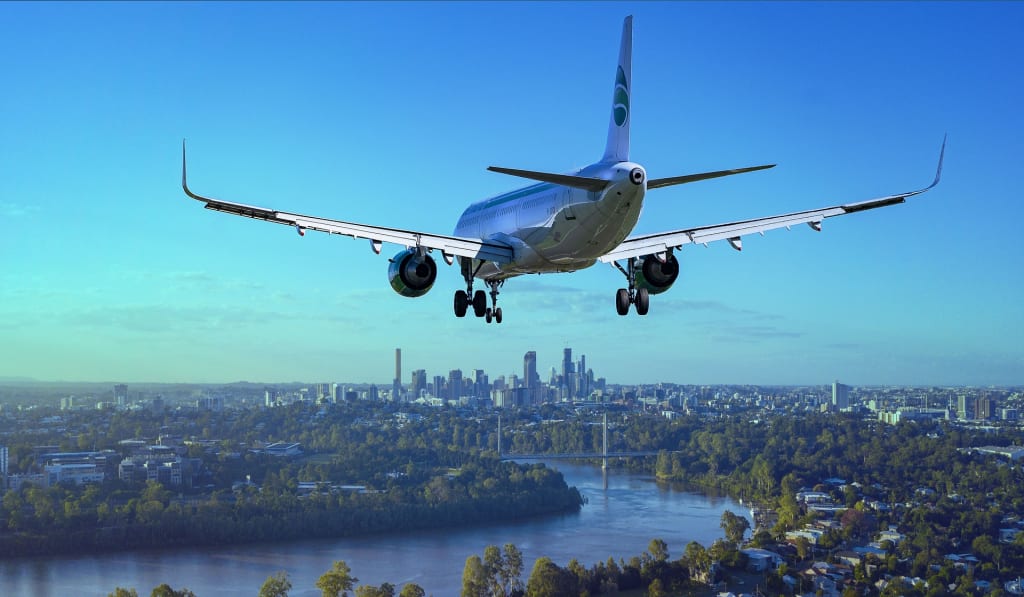
How to travel on a budget is a question that many people ask. This blog post will provide 10 money-saving tips to help make your travels more affordable. From finding cheap accommodation and flights, to taking advantage of free activities, these tips will help you save money without sacrificing your travel experience.
1. Finding Affordable Accommodation
The internet is a great resource for finding affordable accommodation options. There are a variety of websites that allow you to compare prices and amenities for different hotels, motels, and vacation rentals. Some websites also offer discounts if you book your stay in advance.
Consider Couchsurfing
If you're willing to stay with a local host, Couchsurfing can be a great way to save money on accommodation costs. Not only will you have a place to stay, but you'll also get an insider's perspective on the city or town you're visiting. Just be sure to read the reviews of potential hosts before making your decision.
Look Into Staying in Hostels
Hostels are another good option for budget-minded travelers. They typically offer dormitory-style accommodations at a fraction of the cost of a hotel room. Some hostels also have private rooms available, which may be a good option if you're traveling with family or friends.
2. Identifying Affordable Flights
The best way to save money on flights is to plan ahead and research prices in advance. There are a number of ways to do this, including using online tools like Google Flights or Skyscanner. You can also sign up for fare alerts with airlines or travel agencies, so you’ll be notified when prices drop for your desired route.
Compare Prices Across Different Airlines
Once you have a general idea of how much your flight will cost, it’s time to start comparing prices across different airlines. Remember that sometimes the cheapest option isn’t always the best – make sure to read reviews and compare amenities before booking. It’s also worth considering airlines that offer loyalty programs, as you may be able to rack up points or miles that can be used for future travel.
Choose an Economy Fare
If you’re really looking to save money on your flight, your best bet is to choose an economy fare. This means opting for a seat in the main cabin, which is typically the least expensive option. You may have to sacrifice some amenities like extra legroom or early boarding, but it’s worth it if you’re trying to stick to a budget.
Consider Alternate Airports
Another way to save money on flights is by considering alternate airports near your destination. If you’re flexible with your travel dates and times, you may be able to find better deals by flying into a nearby airport that offers more affordable options. Just be sure to factor in any additional transportation costs when making your decision.
3. Saving Money on Transportation
Whenever possible, walk or take public transportation instead of spending money on a taxi or rental car. This is not only a great way to save money, but it's also a great way to see the city and get some exercise. If you're taking public transportation, be sure to purchase a pass ahead of time so you can avoid paying higher fares.
Purchase a City Pass
If you're planning on doing a lot of sightseeing in one city, it may be worth it to purchase a city pass. This will give you access to all the major attractions at a discounted price. Be sure to do your research ahead of time so you can find the best deal.
Rent a Car or a Bike
If you need transportation for longer distances or plan on doing some exploring outside the city, consider renting a car or bike. This can be cheaper than taking taxis or buses, and it will give you more freedom to explore at your own pace. Just be sure to return the car or bike on time so you don't have to pay any late fees.
4. Eating on the Cheap
When traveling on a budget, one of the best ways to save money is by eating street food. Street food is typically very cheap and can be found in most cities around the world. Plus, it's a great way to try new and interesting foods that you may not be able to find at home.
To find the best street food, start by asking locals where they like to eat. They'll be able to point you in the right direction and help you avoid any tourist traps. Once you've found a few good spots, take some time to walk around and see what looks appetizing. And don't be afraid to try something new – you might just discover your new favorite dish!
Take Advantage of Grocery Stores
Another great way to save money on food while traveling is by shopping at local grocery stores. This is especially helpful if you're staying in an apartment or Airbnb with a kitchen, as it will allow you to cook your own meals rather than eating out all the time.
Grocery stores are also a great place to stock up on snacks and drinks for days when you'll be doing a lot of walking or sightseeing. And, if you're staying somewhere with a fridge, you can always buy some meat or cheese to make simple sandwiches or salads for lunch or dinner.
Consider Eating Out During Lunch
If you want to save money on dining out, one strategy is to eat out only during lunchtime. Many restaurants offer special midday menus with cheaper prices than their dinner menus – so you can still enjoy a nice meal without breaking the bank. Plus, lunchtime is usually less crowded than dinnertime, so you won't have to wait as long for your food (or worry about getting a reservation).
5. Making the Most of Free Activities
When traveling on a budget, one of the best ways to save money is to take advantage of free local events. To find out what's going on in your destination, a quick internet search should turn up a variety of websites with event listings. Once you've found a few potential activities, read up on them to see if they're something that interests you. If so, add them to your itinerary and enjoy!
Take Advantage of Free Museum Days
Museums can be a great way to learn about the history and culture of your destination, and many museums offer free days or discounted rates for visitors. To find out if any museums in your area offer free admission, again, a simple internet search should do the trick. Once you've found a few that look promising, call or check their website to see if they offer free days or discounts for certain groups of people (students, seniors, etc.).
Explore Outdoor Activities
Another great way to explore your destination without spending any money is to take advantage of outdoor activities. hiking, biking, and picnicking are all great options that can be enjoyed for free (or for very little cost). To find out what kinds of outdoor activities are available in your destination, again, a quick internet search should give you some ideas. Once you've narrowed down your options, talk to locals or other travelers to get recommendations on where the best trails are or which parks are worth visiting.
6. Knowing Where to Look for Deals
When looking for deals on travel, one great resource to check out are discount sites. These can offer a variety of different savings on hotels, flights, and more. Some popular discount sites to look into include Expedia, Travelocity, and Priceline.
Follow Travel Blogs
Another way to find great deals on travel is to follow some of the top travel blogs. These bloggers often share their best tips on how to save money when traveling. Some of the top travel blogs to follow include The Points Guy, One Mile at a Time, and Wandering Aramean.
Sign Up for Travel Credit Cards
If you do a lot of traveling, another way to save money is to sign up for a travel credit card. These cards often offer great rewards such as free hotel stays or airline miles. Some popular travel credit cards include the Chase Sapphire Preferred Card and the American Express Platinum Card.
7. Packing Smart
When you're packing for your trip, it's important to take the local climate into account. This will help you pack the appropriate clothing and gear, and avoid any surprises when you arrive at your destination. You can research the local climate online, or ask friends or family who have been to the area before.
Pack Light
Packing light can save you a lot of hassle (and money) when you're traveling. You won't have to worry about excess baggage fees, and you'll be able to move around more easily. When you're packing, only bring items that are essential, and try to stick to a carry-on bag if possible.
Check Travel Restrictions
Before you pack your bags, it's important to check for any travel restrictions that may be in place at your destination. This includes things like visa requirements, vaccination requirements, and currency restrictions. You can find this information online, or by contacting the embassy of your destination country.
8. Staying Safe During Your Trip
When traveling to a new country or city, it is important to research the local laws and customs before arrival. This will help you to avoid any potential legal trouble and make sure that you are respecting the local culture. For example, in some countries it is illegal to drink alcohol in public, while in others there may be strict dress codes in place. By reading up on the local laws before your trip, you can help ensure a safe and enjoyable experience for all.
Have a Travel Insurance Plan
Another important way to stay safe during your trip is to purchase a travel insurance plan. This will provide financial protection in case of any medical emergencies or other unforeseen problems that may arise during your travels. Be sure to read the fine print of your policy so that you know what is covered and what is not.
Stay Vigilant
Even if you have done your research and are aware of the local laws and customs, it is still important to remain vigilant when traveling in unfamiliar territory. Be cautious when walking around at night, keep an eye on your belongings, and trust your gut if something doesn't feel right. By staying alert and being mindful of your surroundings, you can help reduce the risk of getting into any type of difficulty while abroad.
9. Staying in Touch With Home
In order to save money on phone calls while traveling, it is important to know the local pre-paid phone plans. Many times, these plans are much cheaper than using your regular cell phone plan. For example, in Europe, many mobile phone companies offer pre-paid SIM cards that can be used in any country. These SIM cards usually have very low rates for calls and texts.
Utilize Free Wi-Fi
Another great way to stay in touch with home while traveling is to utilize free Wi-Fi whenever possible. Many hotels, cafes, and public parks offer free Wi-Fi for guests and visitors. If you need to make a call or send a text, you can often do so over a Wi-Fi connection without incurring any charges.
Consider International Roaming
If you are going to be traveling outside of your home country for an extended period of time, you may want to consider signing up for an international roaming plan with your cell phone company. This way, you will be able to use your regular cell phone number and have access to your usual data and calling minutes while abroad. Although international roaming plans can be expensive, they can sometimes be worth the cost if you need to stay connected while traveling.
10. Making the Most of Your Trip
When you're traveling, it's important to keep an open mind. There are so many new things to see and experience, and you don't want to miss out on anything. Be willing to try new things, even if they seem a bit strange at first. You never know what you might end up enjoying.
Stay Flexible
Things rarely go according to plan when you're traveling. There will be delays, cancellations, and unexpected changes along the way. The best way to deal with these situations is to stay flexible and go with the flow. Don't get too upset about things that are beyond your control.
Document Your Trip
One of the best ways to remember your trip is to document it as you go along. Take plenty of photos and videos, write down your thoughts and impressions in a journal, and collect souvenirs from the places you visit. This will help you relive your trip long after it's over.
Conclusion
No matter where you're traveling, it's important to budget wisely to make the most of your trip. By following these ten money-saving tips, you can enjoy a wonderful vacation without breaking the bank.
Before you book your next getaway, be sure to keep these tips in mind to save the most money and have the best trip possible.
About the Creator
Enjoyed the story? Support the Creator.
Subscribe for free to receive all their stories in your feed.
Comments
There are no comments for this story
Be the first to respond and start the conversation.