
How to Start a Medicinal Herb Garden
Medicinal Herb Garden


How to Start a Medicinal Herb Garden
Starting a medicinal herb garden can be a rewarding and beneficial endeavor. Growing your own medicinal herbs allows you to have easy access to natural remedies and promotes
self-sufficiency in maintaining your health and wellness. Whether you have a large backyard or a small balcony, you can create a medicinal herb garden that suits your space and needs. In this article, we will guide you through the steps of starting a medicinal herb garden, from planning and preparing the garden to selecting and caring for the herbs.
Table of Contents
Introduction
Benefits of a Medicinal Herb Garden Planning Your Medicinal Herb Garden
● Assess Your Space
● Consider Sunlight and Watering Needs
● Choose the Right Herbs
● Determine Growing Methods Preparing the Garden
● Clearing and Amending the Soil
● Creating Raised Beds or Containers
● Installing Support Structures (if needed) Planting and Caring for Medicinal Herbs
● Starting from Seeds or Seedlings
● Proper Spacing and Planting Techniques
● Watering and Mulching
● Fertilizing and Pruning
● Dealing with Pests and Diseases Harvesting and Utilizing Medicinal Herbs
● Timing the Harvest
● Drying and Storing Herbs
● Making Herbal Remedies Conclusion
1. Introduction
A medicinal herb garden is a dedicated space for growing herbs that have therapeutic properties and can be used for various health purposes. From soothing teas and salves to tinctures and
essential oils, medicinal herbs offer a natural approach to supporting overall well-being.
2. Benefits of a Medicinal Herb Garden
Having a medicinal herb garden comes with several advantages:
● Access to Fresh, Organic Herbs: Growing your own herbs ensures that you have a fresh and reliable supply of medicinal plants without the use of harmful pesticides or chemicals.
● Cost Savings: Cultivating your own medicinal herbs can be more cost-effective than purchasing them from stores or online. It eliminates the need for frequent herb
purchases and allows you to create your remedies at a fraction of the cost.
● Control over Quality: When you grow your herbs, you have full control over the growing conditions, ensuring optimal quality and potency of the medicinal plants.
● Connection with Nature: Engaging in gardening activities and nurturing plants can be a therapeutic and grounding experience, promoting mental and emotional well-being.
● Educational Opportunity: A medicinal herb garden provides an excellent learning
environment for you and your family. You can explore the fascinating world of herbalism, plant identification, and traditional uses of herbs.
3. Planning Your Medicinal Herb Garden
Before getting your hands dirty, it's essential to plan your medicinal herb garden properly. Consider the following aspects:
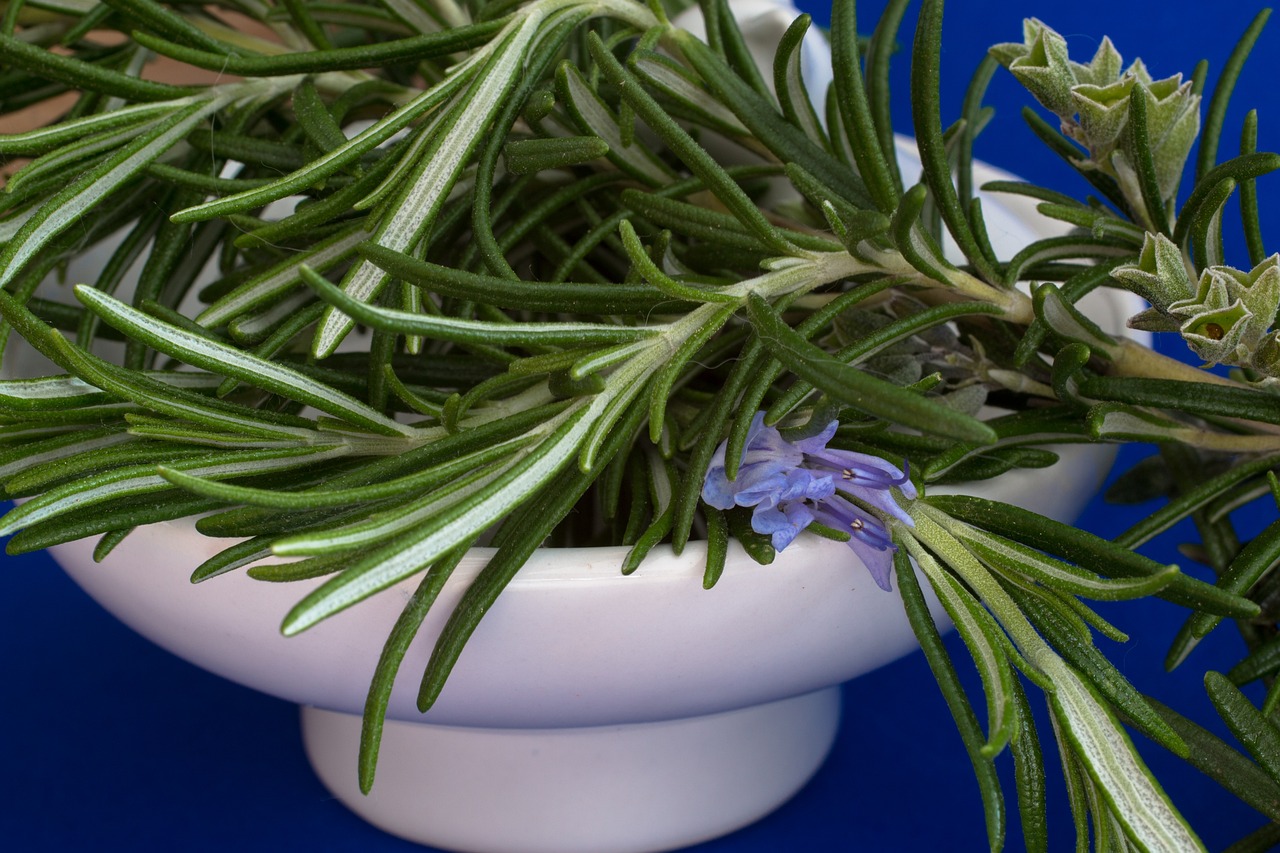
- Assess Your Space
Evaluate the available space in your garden or balcony. Determine if you have enough room for a dedicated herb garden or if you need to utilize containers, raised beds, or vertical gardening techniques to maximize space.
- Consider Sunlight and Watering Needs
Most medicinal herbs thrive in full sun, requiring at least six hours of direct sunlight each day.
Ensure that your chosen location receives adequate sunlight. Additionally, consider the watering requirements of different herbs and plan accordingly.
- Choose the Right Herbs
Research and select the medicinal herbs that align with your health needs and gardening conditions. Consider factors such as the climate in your region, soil type, and available space. Start with a few easy-to-grow herbs and gradually expand your collection.
- Determine Growing Methods
Decide whether you will grow your herbs from seeds or purchase seedlings. Both options have
their advantages, with seeds offering a broader variety and cost savings, while seedlings provide a head start. Additionally, consider if you want to grow your herbs in the ground, raised beds, or containers.
4. Preparing the Garden
To ensure the success of your medicinal herb garden, proper preparation is crucial. Follow these steps:
- Clearing and Amending the Soil
Remove any existing weeds, rocks, or debris from the designated area. Test the soil pH and
fertility levels and make necessary amendments. Medicinal herbs generally prefer well-draining soil with a slightly acidic to neutral pH.
- Creating Raised Beds or Containers
If you opt for raised beds or containers, construct or purchase them according to your space and aesthetic preferences. Use high-quality soil mix specifically formulated for container gardening or create a well-balanced blend of compost, peat moss, and perlite for raised beds.
- Installing Support Structures (if needed)
Some medicinal herbs, such as climbing vines or tall shrubs, may require support structures like trellises, cages, or stakes. Install these structures before planting to avoid damaging the roots later.
5. Planting and Caring for Medicinal Herbs
Now comes the exciting part—planting and nurturing your medicinal herbs. Follow these guidelines:
- Starting from Seeds or Seedlings
If starting from seeds, sow them according to the recommended depth and spacing guidelines on the seed packet. Keep the soil consistently moist until the seedlings emerge. If using seedlings, dig proper-sized holes and gently transplant them, ensuring the root ball is intact.
- Proper Spacing and Planting Techniques
Follow the spacing recommendations provided for each herb, as overcrowding can lead to poor growth and increased risk of disease. Plant your herbs at the appropriate depth, firming the soil gently around the roots.
- Watering and Mulching
Water your herbs regularly, ensuring the soil remains evenly moist but not waterlogged. Mulch around the plants to conserve moisture, suppress weeds, and regulate soil temperature.
- Fertilizing and Pruning
Apply organic fertilizers, such as compost or well-balanced organic fertilizers, sparingly during the growing season. Avoid over-fertilization, as it may reduce the potency of the medicinal properties. Prune your herbs regularly to promote bushier growth and prevent legginess.
- Dealing with Pests and Diseases
Monitor your herbs for signs of pests or diseases. Use natural pest control methods, like handpicking pests, introducing beneficial insects, or using organic insecticidal soaps if necessary. Ensure good air circulation and proper spacing to minimize the risk of diseases.
6. Harvesting and Utilizing Medicinal Herbs
As your medicinal herbs grow, you can start harvesting and utilizing their healing properties. Follow these guidelines:
- Timing the Harvest
Harvest your herbs when they are at their peak potency. For most herbs, this is usually in the morning, after the dew has evaporated but before the heat of the day. Harvest before the plants start to flower for optimal flavor and medicinal qualities.
- Drying and Storing Herbs
Dry your harvested herbs by hanging them upside down in a dry, well-ventilated area. Once fully dry, remove the leaves from the stems and store them in airtight containers away from direct sunlight and moisture.
- Making Herbal Remedies
With your dried herbs, you can create various herbal remedies like teas, tinctures, salves, or infused oils. Research proper extraction methods and recipes for each herb to maximize
About the Creator
Enjoyed the story? Support the Creator.
Subscribe for free to receive all their stories in your feed.
Comments
There are no comments for this story
Be the first to respond and start the conversation.