
How to identify dangerous trees before they become a hazard
Trees are an essential part of our landscapes, offering beauty, shade, and even boosting property value. But what happens when a tree turns from an asset into a potential danger?

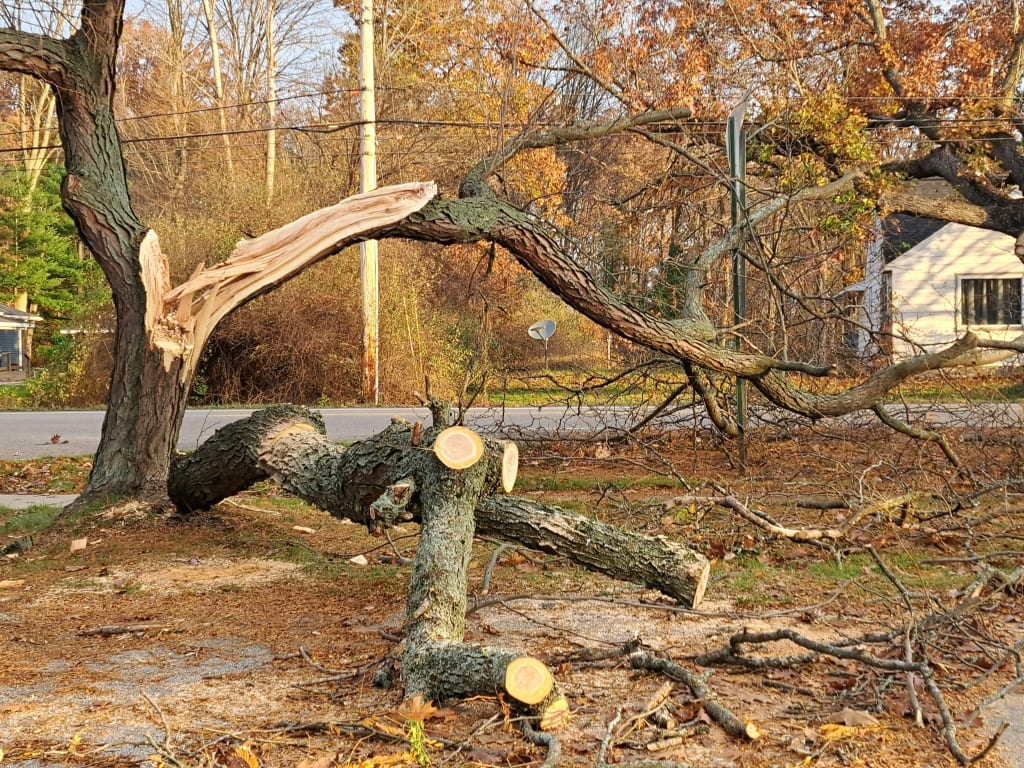
Just like any other living thing, trees can weaken over time, and if left unchecked, can become hazardous. Spotting the warning signs early could prevent costly damage - or worse, serious injury. So, how can you tell if a tree is a ticking time bomb? Let’s explore the key indicators to watch out for.
Why identifying hazardous trees is important
A tree may look sturdy on the outside, but hidden dangers can lurk beneath the surface. Weak or damaged trees pose serious risks - falling branches can injure people, damage vehicles, or even crash through roofs during a storm. In extreme cases, an entire tree can topple, bringing down power lines or blocking roads.
Beyond the immediate hazards, there are also financial and legal implications. For example, homeowners can be held liable if a neglected tree causes damage or injury. That’s why regular inspections are crucial - catching problems early can save you from costly repairs, legal trouble, and potential disaster.
Key signs of a dangerous tree
Trees rarely fail without warning. They often give subtle (and sometimes not-so-subtle) clues that something is wrong. By knowing what to look for, you can take action before disaster strikes.
Cracks & splits
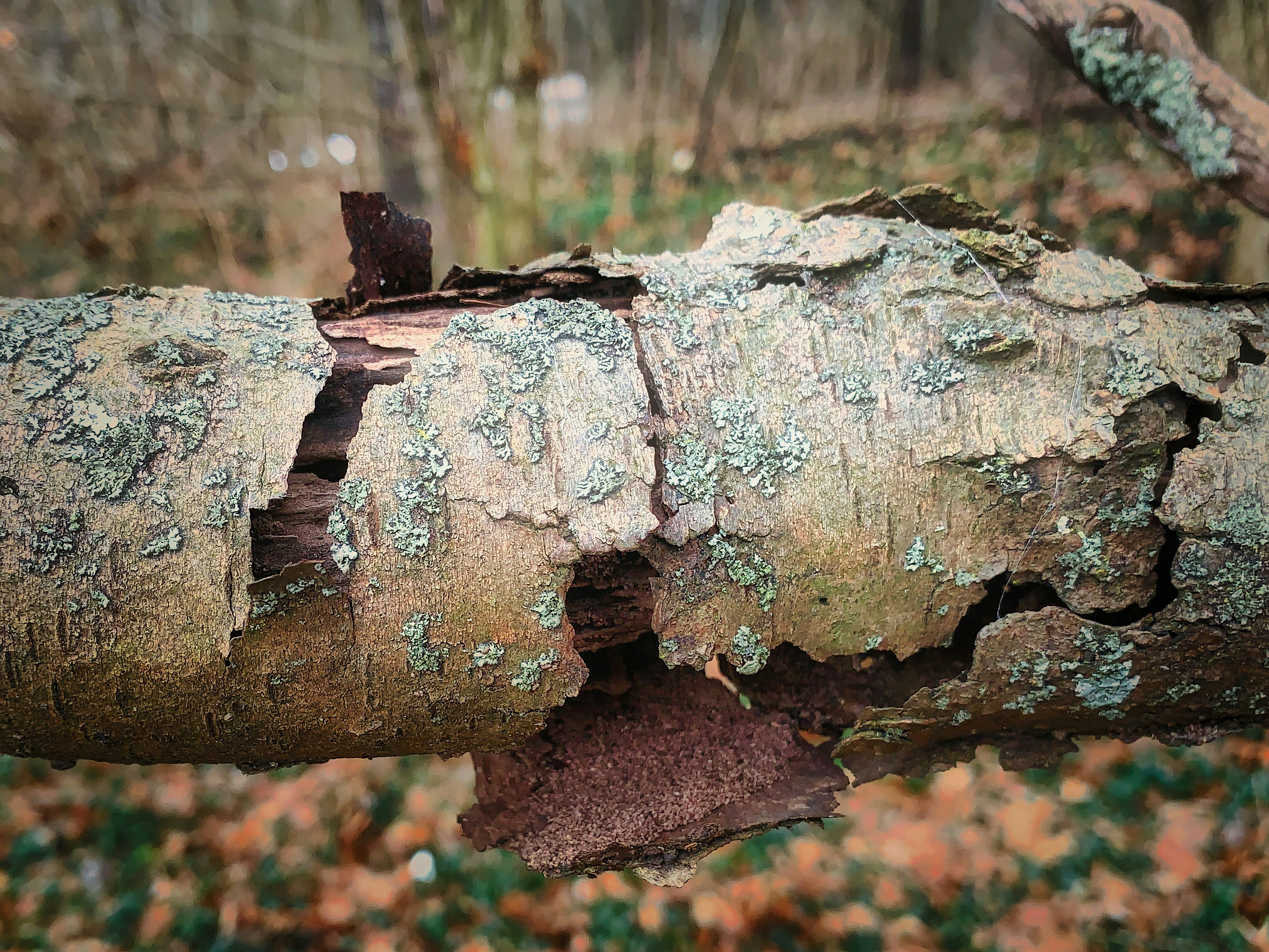
Deep cracks or splits in the trunk or large branches can indicate structural weakness. If these fractures extend through the wood, the tree may be at risk of splitting apart, especially during high winds or heavy rainfall.
Leaning trees
Not all leaning trees are dangerous, but if a tree that once stood straight begins to tilt, it could be a sign of root failure. Sudden leans, especially those accompanied by exposed roots or cracked soil, suggest the tree may be on the verge of falling.
Decay & fungi growth
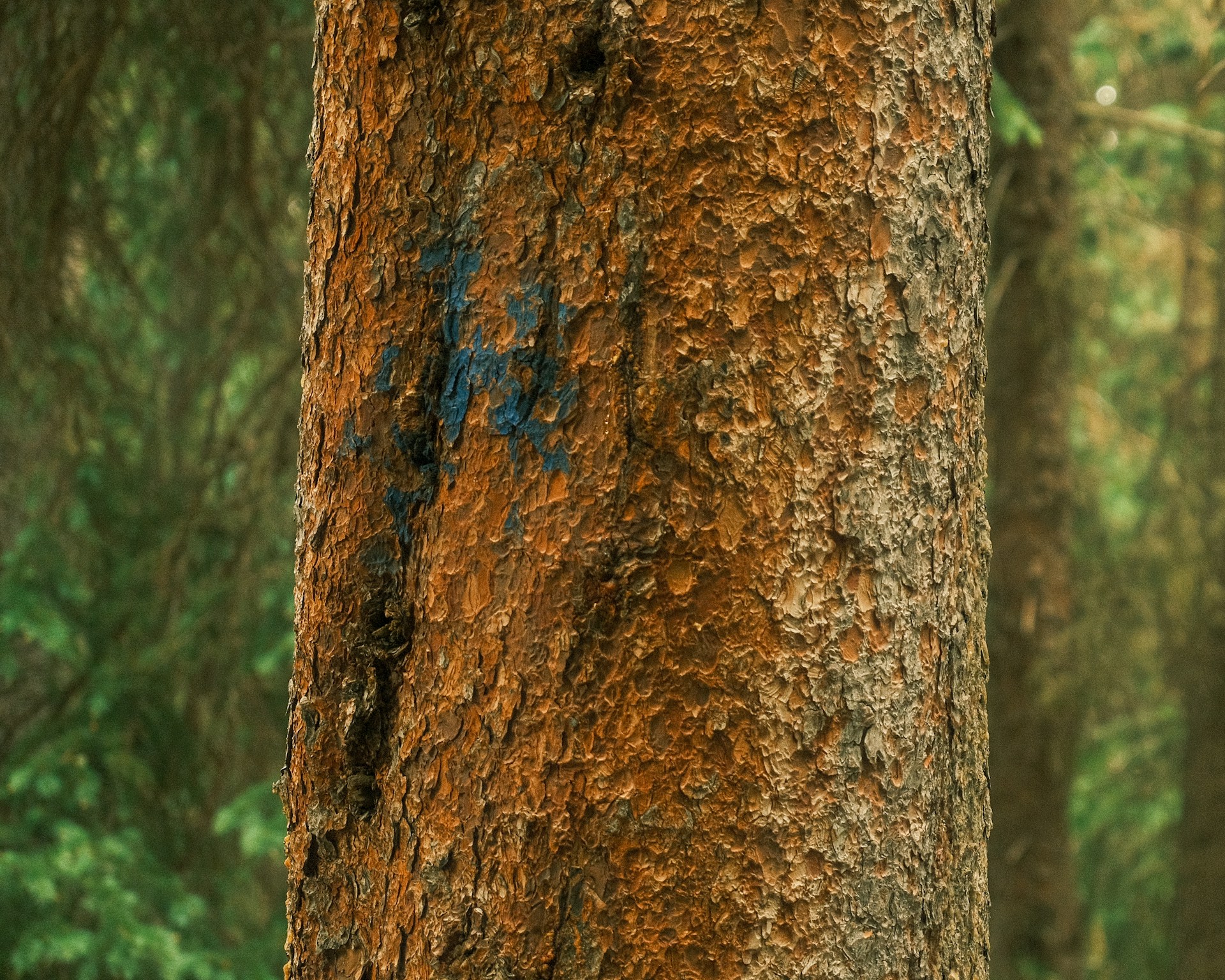
Mushrooms growing at the base of a tree might look harmless, but they often signal internal decay. Rotted wood weakens a tree’s structure from the inside out. Sometimes there are no visible signs to the untrained eye until it is too late.
Dead or hanging branches
Brittle, leafless branches - especially those that don’t fall even after storms - pose a serious risk. These branches, which are sometimes referred to as ‘widowmakers’, can break off unexpectedly, potentially causing injury or damage below.
Root issues
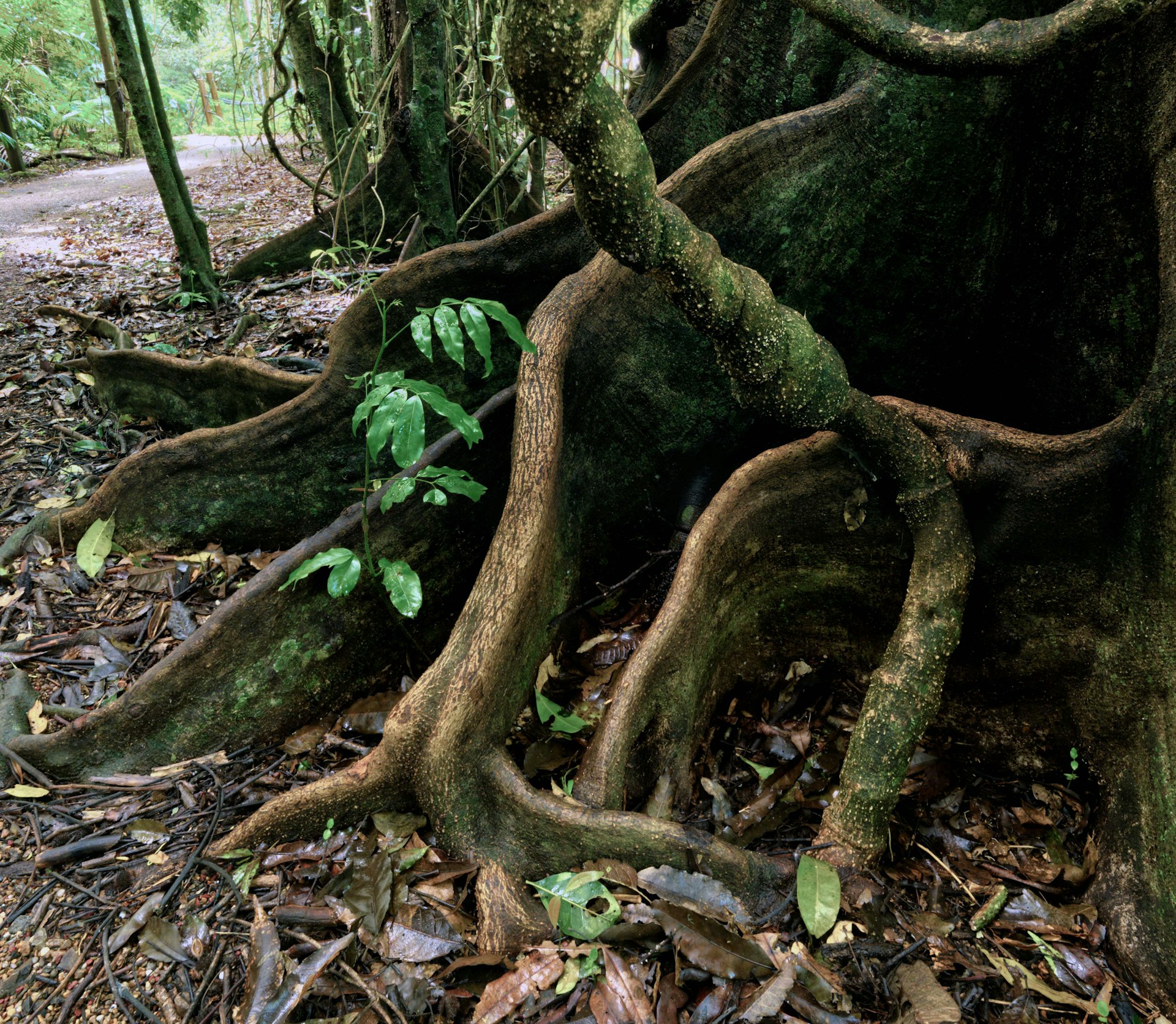
Strong roots anchor a tree, but if they are damaged, diseased, or heavily exposed, the tree’s stability may be compromised. Construction work, soil erosion, or fungal infections can all weaken a tree’s root system.
Unusual leaf loss or poor health
A tree that loses leaves out of season or has sections of dead foliage could be struggling. Sparse, discoloured, or prematurely shedding leaves often indicate disease, pest infestation, or internal decay.
By keeping an eye out for these warning signs, you can address problems early to avoid accidents and damage to property.
When to call a professional tree surgeon
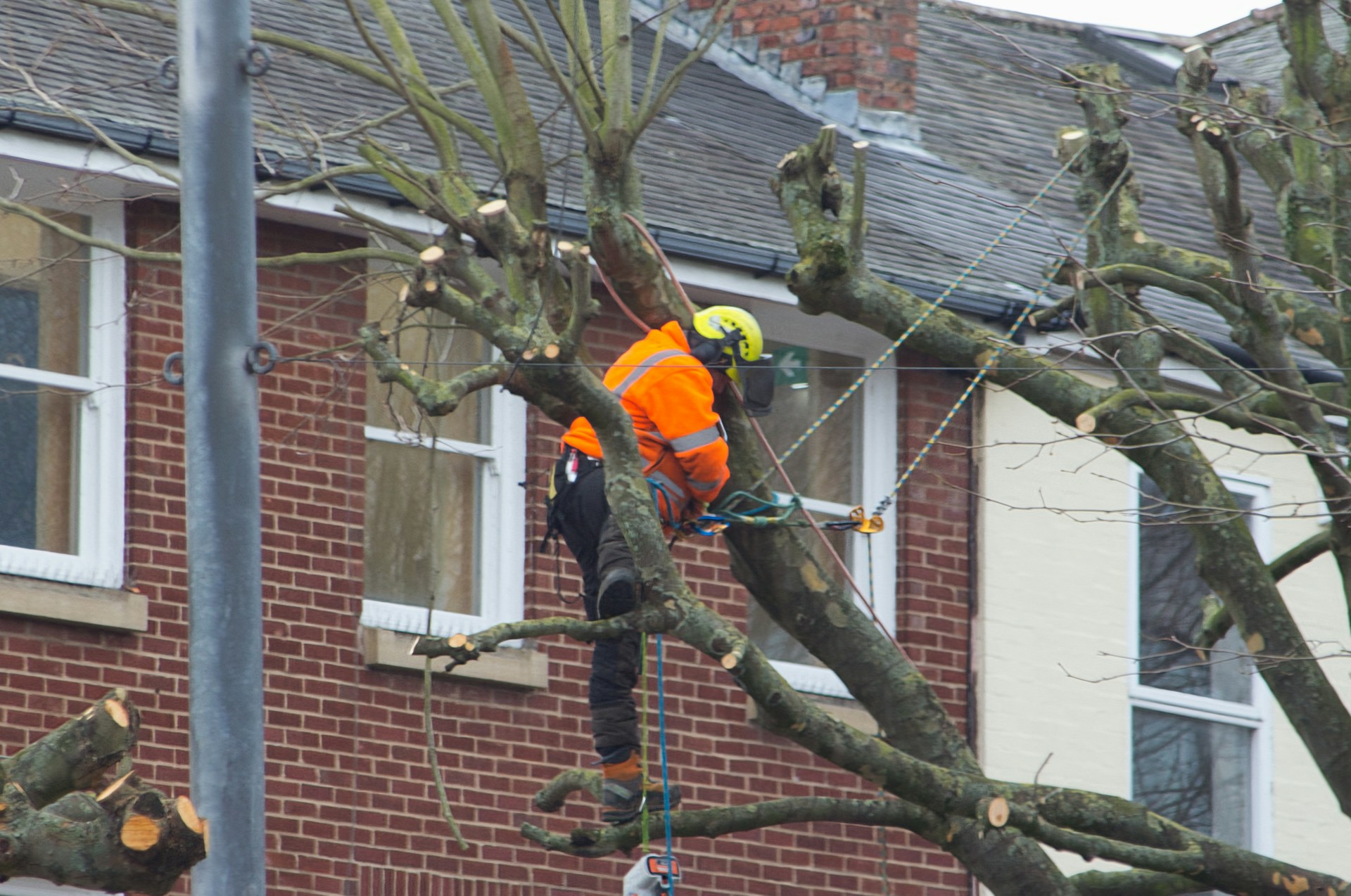
While some tree issues are easy to spot, others require an expert eye. Not all damage is visible from the ground, and what looks like a minor problem on the surface could be a sign of deeper structural instability.
If a tree is showing multiple warning signs - such as deep cracks, dead branches, or is leaning significantly - it’s time to call in a professional tree surgeon. They can assess the tree’s health, identify any hidden risks, and recommend the best course of action, whether that’s pruning, bracing, or, in extreme cases, safe removal.
Tree surgeons don’t just deal with emergencies - they also provide preventative care, helping to keep your trees strong, healthy, and hazard-free. Investing in expert advice now could save you from costly damage further down the line.
Preventative measures to keep trees safe
The best way to avoid dangerous trees is through regular maintenance. Just like a car needs servicing, trees require routine care to stay healthy and structurally sound.
Start with seasonal inspections - look for cracks, dead branches, or signs of disease. Pruning is another key step, as removing weak or overgrown branches reduces the risk of breakage. If a tree shows early signs of instability, bracing or cabling may provide additional support.
Healthy roots are just as important so avoid compacting soil around the base and ensure trees receive adequate water and nutrients. With proactive care, you can keep your trees strong, safe, and thriving for years to come.
Trees are a beautiful and valuable part of any landscape, but when they become weak or unstable, they can pose serious risks. By keeping an eye out for warning signs like cracks, decay, or root issues, you can take action before disaster strikes.
If you suspect a tree on your property may be hazardous, don’t wait until it’s too late. Contact our expert tree surgeons today for a professional assessment and peace of mind - because when it comes to tree safety, prevention is always better than cure.
About the Creator
Enjoyed the story? Support the Creator.
Subscribe for free to receive all their stories in your feed.
Comments
There are no comments for this story
Be the first to respond and start the conversation.