
How to Hire the Right Porter and Guide for Everest Base Camp Trek
In this guide, we’ll explore why hiring trekking staff is a smart move, how to choose the right guide and porter, what it will cost, and how to do so responsibly and ethically.

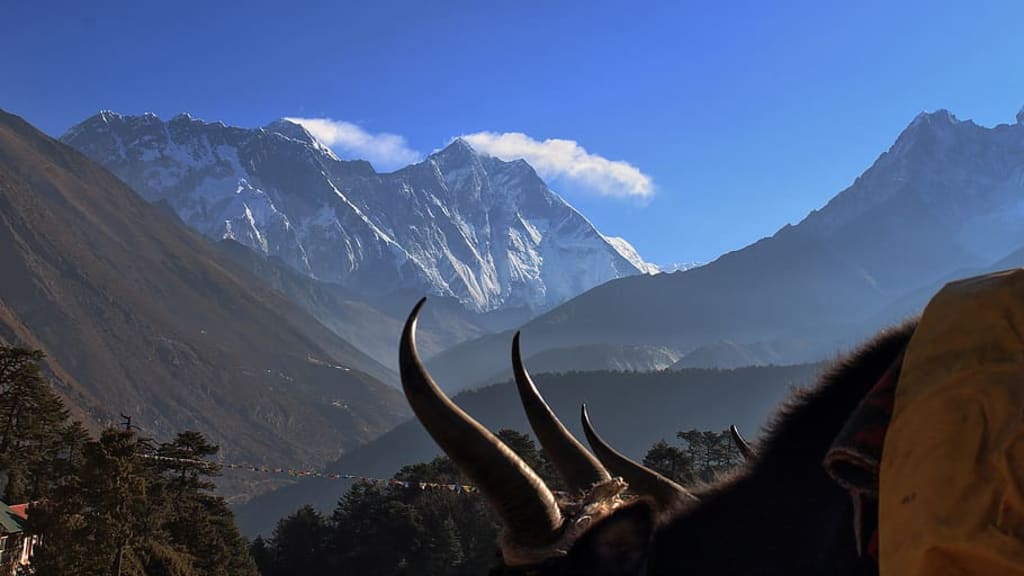
The Everest Base Camp Trek is one of the most iconic trekking routes in the world. Towering peaks, traditional Sherpa villages, and unforgettable views of Mount Everest make it a dream destination for adventure seekers. But while the trek is accessible to many, it is still a physically demanding high-altitude journey. Whether you are a first-time trekker or an experienced hiker, hiring a porter and guide for Everest Base Camp can make your experience safer, smoother, and far more enjoyable.
Why You Should Hire a Guide and Porter for the Everest Base Camp Trek
1. Improved Safety and Altitude Awareness
The Everest Base Camp trail reaches elevations up to 5,364 meters, where altitude sickness is a serious concern. A qualified guide monitors your pace, ensures proper acclimatization, and can recognize early symptoms of Acute Mountain Sickness (AMS). In case of an emergency, they can coordinate evacuation and contact rescue services.
2. Local Knowledge and Cultural Insights
Guides enrich your journey by sharing stories about Sherpa culture, Buddhist monasteries, local festivals, and the significance of places like Tengboche and Namche Bazaar. They can also facilitate meaningful interactions with local people, making your trek more than just a physical challenge.
3. Stress-Free Travel Logistics
A guide will arrange your teahouse accommodations, meals, and permits, while a porter will carry your gear, allowing you to trek with just a light daypack. This support not only reduces physical strain but also makes your adventure more enjoyable.
4. Boosting the Local Economy
Hiring a guide and porter provides income to people living in the Khumbu region, which is heavily dependent on tourism. Choosing local, ethical services supports families and helps sustain the mountain communities that host you.
What Does a Guide for Everest Base Camp Do?
An experienced Everest Base Camp guide plays many roles:
• Route Navigation: Knows the trail intimately, including detours during landslides or heavy snow.
• Health and Safety: Monitors for signs of AMS and knows how to manage altitude-related issues.
• Accommodation and Meals: Arranges your teahouse stays, ensures you get good meals, and communicates with lodge owners.
• Cultural Interpretation: Explains the meanings of mani walls, stupas, and monasteries you’ll see along the way.
• Permit Assistance: Helps with obtaining the required Sagarmatha National Park Permit and Khumbu Rural Municipality Permit.
Role of a Porter on the Everest Trek
A porter is responsible for carrying your backpack and main gear, typically up to 20–25 kilograms. This lets you hike at a steady pace without fatigue, which is especially helpful during long uphill stretches like Namche Hill or the final approach to Base Camp.
When hiring a porter, ensure they are:
• Properly equipped (shoes, jacket, gloves, etc.)
• Insured and fairly paid
• Not overloaded (limit to 20–25 kg per porter)
Some trekkers choose a porter-guide—someone who carries a light load and also offers basic guiding services. This is a budget-friendly option but may not offer the depth of experience of a full licensed guide.
Where and How to Hire a Porter and Guide for Everest Base Camp
1. Kathmandu Agencies
Reputable trekking agencies in Kathmandu offer full packages with licensed guides and insured porters. This is the most reliable way to ensure compliance with Nepal’s tourism regulations.
2. Lukla or Namche Bazaar
If you're trekking independently, you can hire guides or porters directly in Lukla or Namche. This may reduce costs but requires vetting and negotiation. Make sure they are certified and experienced.
3. Online Booking Platforms
Websites like Sherpana, GuideFinder, and TrekkingPartners offer pre-screened guides and porters with reviews and ratings. This provides transparency and flexibility in choosing your support team.
Cost of Hiring a Guide and Porter for Everest Base Camp
As of 2025, average daily rates are:
• Licensed Guide: $30–$40 USD per day
• Porter: $20–$30 USD per day
• Porter-Guide: $25–$35 USD per day
These rates usually include their food, lodging, and insurance, but always confirm details in advance. Most trekkers also tip their staff, typically 10–15% of the total cost per person.
Essential Permits for EBC Trek (Handled by Your Guide or Agency)
1. Sagarmatha National Park Permit – NPR 3,000 (approx. $25)
2. Khumbu Rural Municipality Permit – NPR 2,000 (approx. $15)
3. TIMS Card – No longer mandatory for EBC (as of latest updates), but some agencies still include it
A good guide will ensure these are arranged at the proper checkpoints or in Kathmandu before departure.
Sample Daily Plan with Trekking Support
Here’s how your guide and porter contribute across a typical 12-day Everest Base Camp trek:
• Day 1–2 (Lukla to Namche): Your guide ensures a steady pace for altitude gain and helps manage entry permits.
• Day 3–4 (Acclimatization & Tengboche): They monitor your health, arrange clean meals, and explain local customs.
• Day 5–7 (Dingboche to Lobuche): Your porter lightens the load through steeper terrain; your guide keeps track of weather and oxygen levels.
• Day 8–10 (Base Camp & Descent): The guide times the Base Camp visit safely and checks trail conditions, especially over the Khumbu Glacier.
Ethical Tips for Hiring Guides and Porters
• Never overload porters: Limit their load to 20–25 kg.
• Ensure proper gear: Confirm they are dressed appropriately for cold conditions.
• Use registered professionals: Choose staff with insurance and government certification.
• Tip respectfully: Budget for tips as a sign of appreciation.
• Support local hiring: Choose guides and porters from the Solukhumbu region whenever possible.
Common Mistakes to Avoid
• Hiring unlicensed staff in Lukla without background checks
• Overpacking and overburdening your porter
• Not verifying insurance or ethical practices with agencies
• Skipping acclimatization and rushing the itinerary
Avoiding these mistakes not only protects your own safety but also upholds responsible tourism in Nepal.
Conclusion
Hiring the right porter and guide for the Everest Base Camp trek turns a demanding hike into a deeply rewarding adventure. With professional support, you can focus on the mountains, the people, and the culture—rather than logistics, gear, or trail stress.
Whether you hire through a trusted agency or book directly with locals in the Khumbu, ensure your guide and porter are ethical, experienced, and fairly treated. In return, they will not only lead you to Everest Base Camp but also help you experience the Himalayas through local eyes—with safety, insight, and respect.
About the Creator
Enjoyed the story? Support the Creator.
Subscribe for free to receive all their stories in your feed.
Comments
There are no comments for this story
Be the first to respond and start the conversation.