
How Reduced Tourism Has Increased Sea Turtle Nesting on Global Beaches
A Comprehensive Look at How Reduced Tourism Has Created Unexpected Havens for Sea Turtles, Revealing the Delicate Balance Between Human Activity and Marine Conservation
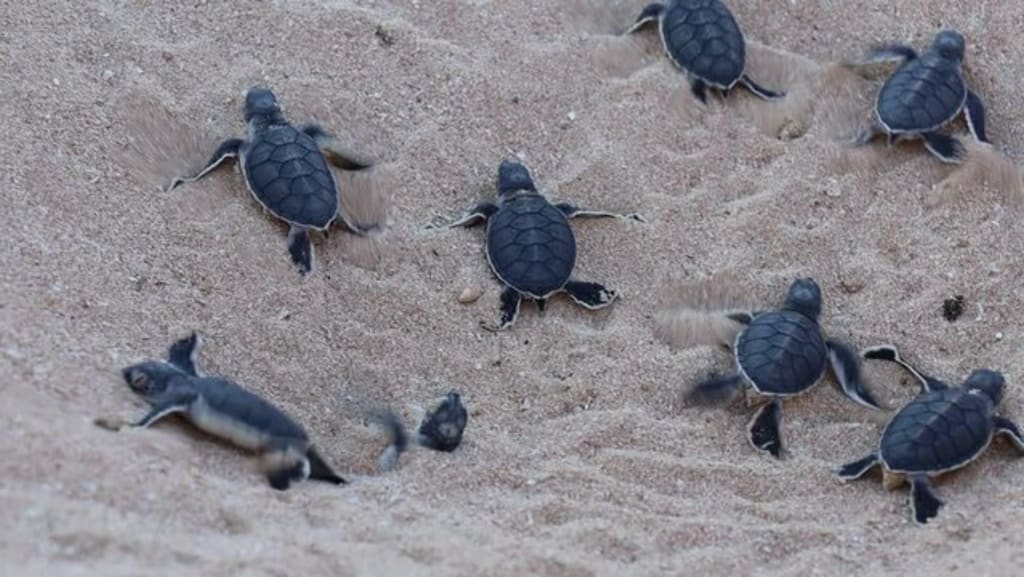
Different unanticipated results have surfaced as the world has adapted to the worldwide travel limitations imposed by recent events. An upside has been the global revival of sea turtle nesting activities on beaches, especially in tourist-rich areas like Florida and Thailand. With this unexpected turn of events, there is a rare chance for these threatened species to flourish and a unique look at how human absence may benefit biodiversity.
The Decline in Human Activity and Its Impact
The substantial reduction in worldwide tourism has resulted in significantly quieter beaches, as opposed to the usual hectic surroundings teeming with travelers, vendors, and local activities. This decrease in human presence has resulted in reduced noise pollution, fewer artificial lights, and a significant reduction in physical disturbances on the sand—factors that frequently prevent sea turtles from successfully nesting.
Thailand's Serene Shores
In Thailand, a country known for its beautiful beaches and bustling tourist culture, the reduction in visitors has resulted in an extraordinary surge in sea turtle nests. Beaches that were formerly busy with sunbathers and partygoers have been turned into peaceful, undisturbed environments perfect for nesting. Local conservationists have observed a considerable increase in the number of nests compared to prior years, demonstrating the good impact of reduced human activity.
Florida's Quiet Revolution
Similarly, in Florida, which is recognized for its extensive coastline and year-round visitor influx, the effects have been significant. The traditional risks to turtle eggs have been reduced, including beachgoers accidently stomping on them, litter pollution, and disorientation produced by artificial lighting. As a result, numerous sea turtle species, notably loggerhead and green turtles, have had safer and more successful nesting seasons. Conservationists have seen not only a rise in the number of eggs, but also a higher success rate of hatchlings reaching the ocean.
The Science Behind Sea Turtle Nesting
Sea turtles are extremely sensitive to their nesting environment. These critters lay their eggs on dark, secluded beaches, where they incubate for several weeks in the warm sand. When the hatchlings emerge, they intuitively find their way to the ocean, guided by natural light bouncing off the water. However, artificial lights can confuse them, leading them away from the sea and into perilous circumstances such as busy roads or metropolitan areas.
The decline in tourism has provided an unintentional but much-needed reprieve from these threats. With fewer artificial lights and disruptions, more hatchlings have successfully entered the water, raising their chances of survival—a critical aspect considering the multiple difficulties they encounter during their life cycle, from natural predators to pollution and climate change.
Conservation Efforts and Future Considerations
The unexpected reappearance of turtle nesting emphasizes the significance of ongoing conservation efforts. Organizations and local governments have a unique chance to evaluate the impacts of reduced human impact and take action to conserve these crucial nesting areas. This may include:
Establishing Permanent Protected Areas: Designating crucial nesting beaches as protected areas where human activity is restricted or controlled, particularly during the nesting season.
Regulating Beach Lighting: Putting in place laws to reduce artificial lighting on beaches, such as requiring "lights out" hours during nesting and hatching seasons or installing turtle-friendly lighting.
Educating the Public: Increasing awareness among locals and tourists about the significance of these nesting locations and how to reduce their impact when visiting.
Promoting Eco-Friendly Tourism: Encouraging sustainable tourism practices that protect animals and natural habitats.
A Global Perspective
The phenomenon observed in Thailand and Florida is not isolated. Reports from around the world indicate similar trends, with other species of sea turtles benefiting from quieter beaches. This global pause has provided a rare opportunity to reflect on the broader environmental impacts of human activity and how, even in small ways, we can contribute to the conservation of endangered species.
Conclusion
Reduced tourist has led to an increase in sea turtle breeding, which serves as a melancholy reminder of nature's tenacity and adaptation. It emphasizes the delicate balance between human activity and animal protection, as well as the possibility of good change when this balance is maintained. As the globe gradually returns to normalcy, it is critical to recall the lessons learnt from this era. By applying smart, sustainable methods, we may ensure that turtle conservation accomplishments are not only transient, but also pave the path for a more peaceful cohabitation with nature.
About the Creator
Enjoyed the story? Support the Creator.
Subscribe for free to receive all their stories in your feed.
Comments
There are no comments for this story
Be the first to respond and start the conversation.