
How Much Waste is Produced Globally Every Day & How Much Is Managed?
The Alarming Numbers: Global Waste Produced Per Day
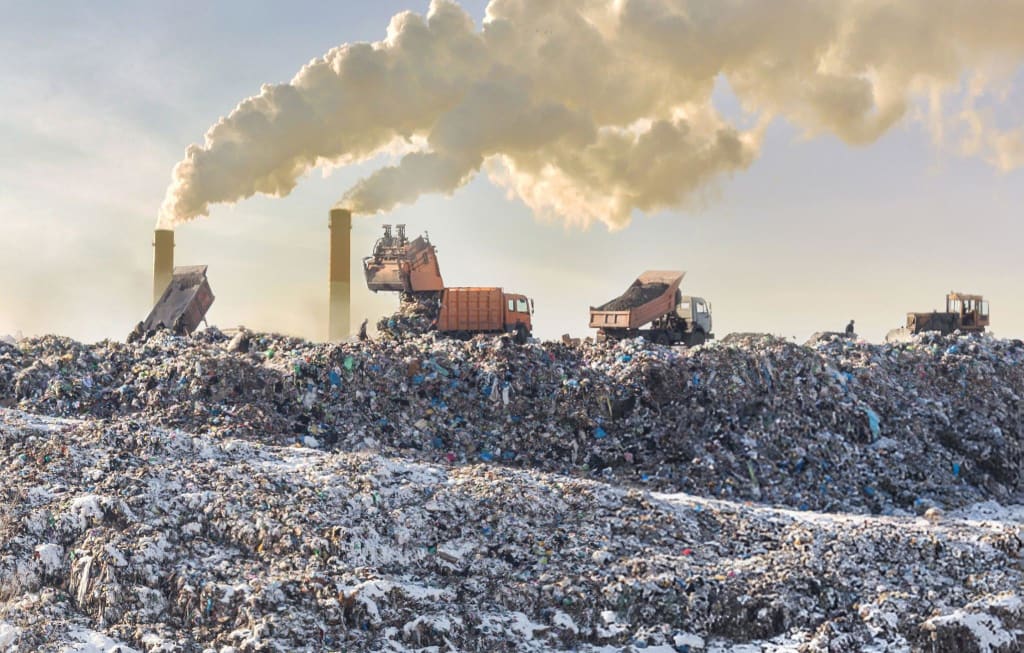
Every day, the world produces an astonishing amount of waste—affecting our environment, public health, and economy. From plastic wrappers and leftover food to discarded electronics and industrial debris, waste is piling up faster than we can manage it. But how much waste do we really generate each day? And how effectively is it being handled?
In this article, we dive into recent global statistics, examine current waste management practices, and explore practical, sustainable solutions for a cleaner, healthier future.
🌍 Global Waste Produced Per Day: The Alarming Numbers
According to the World Bank’s comprehensive report “What a Waste 2.0,” the world generates approximately 2.24 billion tonnes of solid waste each year. That breaks down to about 6.1 million tonnes of waste every single day.
To put that into perspective:
That’s the weight of over 18,000 fully loaded Boeing 747 airplanes.
It’s also equivalent to the combined weight of nearly 25,000 blue whales!
If current trends continue unchecked, annual global waste production is expected to rise to 3.4 billion tonnes by 2050—driven mainly by rapid urbanization, rising populations, and increasing economic activity, especially in developing regions.
🗑️ How Much of This Waste Is Properly Managed?
While the amount of waste we produce is staggering, what's equally concerning is how unevenly it’s managed around the world.
Properly Managed Waste: About 67%
This portion is collected and treated through processes such as recycling, composting, incineration, and landfilling.
High-income countries manage up to 96% of their waste efficiently due to better infrastructure, stricter regulations, and greater public awareness.
Improperly Managed Waste: About 33%
This includes waste that is openly dumped, burned, or left unmanaged.
In low- and middle-income countries, limited access to waste management services leads to improper disposal.
The result? Severe environmental degradation, toxic air pollution, contaminated water sources, and growing public health crises.
♻️ Breakdown of Global Waste by Type
Understanding what we throw away is a key step in managing it better. Here’s a breakdown of global municipal solid waste by material type:
Waste Type Percentage
Organic Waste 44%
Plastics 17%
Paper & Cardboard 12%
Glass, Metal, Others 27%
Organic waste is the largest contributor, especially in low-income regions where food scraps and biodegradable materials dominate.
Plastic, although a smaller percentage, poses the most persistent threat—it can take up to 500 years to degrade in landfills and often ends up in oceans, harming marine life and ecosystems.
🧠 Did You Know?
Over 90% of waste in low-income countries is mismanaged, often dumped in open areas or burned in unsafe conditions.
The average person in a high-income country produces more than 2 kg of waste per day.
Only 9% of plastic waste generated globally has ever been recycled.
These figures underline how urgently we need to improve waste management practices across all regions.
🌱 What Can We Do?
Addressing the global waste crisis isn’t just a government or corporate responsibility—it’s something we all need to be part of. Here’s how we can contribute:
Reduce: Be mindful of consumption. Avoid single-use items and choose reusable alternatives.
Reuse: Repurpose items instead of discarding them. Donate or repair whenever possible.
Recycle: Separate waste correctly and ensure recyclable materials are disposed of properly.
Compost: Organic waste like food scraps and garden waste can be composted at home or through municipal programs.
Governments, communities, and businesses must also invest in infrastructure, education, and technology to support sustainable waste systems.
✅ The Takeaway
We are producing millions of tonnes of waste every day, and while some of it is managed properly, a significant portion still ends up polluting our planet. The waste crisis is a global issue—but it's one we can tackle with collective action, smart policies, and individual responsibility. By rethinking how we produce and dispose of waste, we can pave the way for a cleaner, greener future.
About the Creator
Enjoyed the story? Support the Creator.
Subscribe for free to receive all their stories in your feed.
Comments
There are no comments for this story
Be the first to respond and start the conversation.