
How Long You'd Last On Distant Planets
Help Understand How Different Planets Have Different Amount Of Time You Can Live There Without Dying
Mars is cold, it needs a little less than two years to rotate around the sun or 687 days to be precise. Almost like Earth, it has 25 hours in a day and an atmosphere that is very thin but unbreathable. The planet also sports loads of dust storms covering the entire planet and polar caps covered in carbon dioxide. You won't freeze in your spot on Mars, but you'd need some thick clothing to keep warm. It's possible to last as long as you can hold your breath on the bright side though you'd get to see some incredible views.
The Solar System's biggest planet is Jupiter, if Jupiter were the size of a basketball then Earth would just be the size of a single grape compared to it. It only needs 10 hours to rotate around its axis which is a lot shorter than Earth's one of the best tourist attractions is the Great Red Spot--an area with a hurricane-like storm that's lasted more than 300 years. Oh, and the area is about twice the size of Earth. The largest planet in our solar system needs around 12 Earth years or 4 307 days to make a complete circle around the Sun but Jupiter's gravity is a lot stronger than Earth's besides the lack of oxygen and winds that can keep you suspended in the air forever. The immense pressure that would crush you visiting here won't last longer than a few seconds.
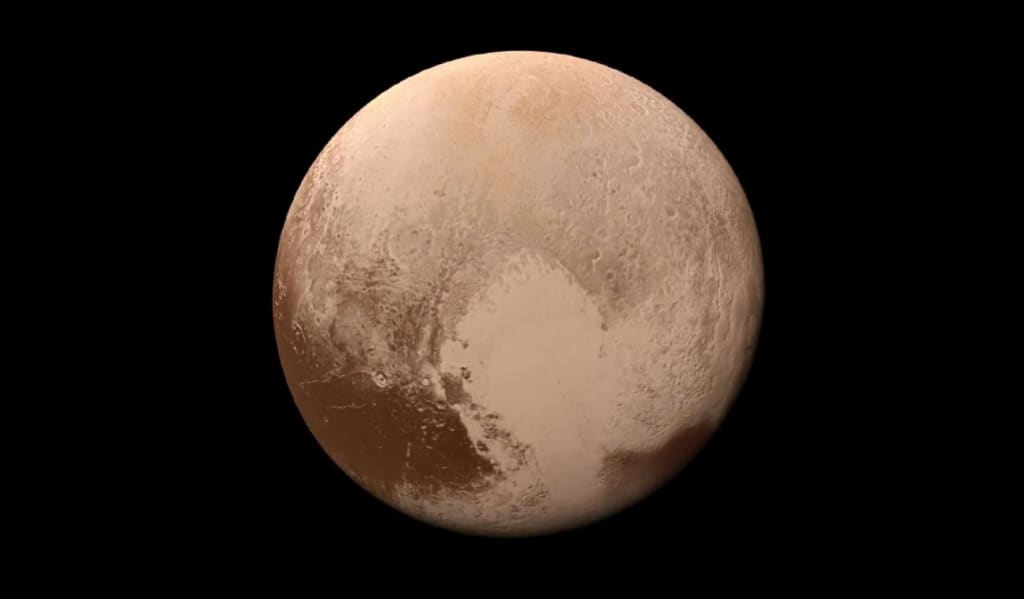
Pluto is a former Planet furthest from the Sun in our solar system and is now considered to be a dwarf planet due to its distance from the Sun. Pluto is one of the coldest places ever because it's so far away from us, with temperatures reaching negative 400 degrees Fahrenheit! Bring a jacket or two when visiting Pluto since air isn't breathable and gravity isn't as strong as on other planets in our solar system.
If you're on Mercury, the first thing you'll notice is how close it is to the sun. It's actually the closest planet to the big ball of fire, and the smallest. But it's not the hottest planet in the solar system. Venus takes credit for that-it takes Earth 365 days to orbit around the sun, and it takes Mercury more than three months to do the same. Well, 88 days, to be exact. On one side of Mercury- where the sun doesn't reach- temperatures drop to negative 300 degrees Fahrenheit. Mercury's atmosphere can't hold any heat when it's nighttime- just like a desert does. Mars has a much colder atmosphere- it needs more than two years to rotate around the sun or 687 days. And, almost like Earth, it has 25 hours in a day. The atmosphere over there is very thin; however, unbreathable.
Venus is the second planet from the sun and is Earth's closest neighbour in the solar system Venus is the brightest object in the sky after the Sun and the Moon and sometimes looks like a bright star in the morning or evening Sky the temperature here is a whopping 880 degrees Fahrenheit and the atmosphere is so thick it creates a greenhouse effect the surface is dry and full of surprises like volcanic eruptions hurricane winds and lightning and as a cherry on top the pressure here feels like you're one mile underwater giving you a never-ending headache it would be hard to imagine your pet living on Venus the only things that could possibly survive there are anaerobic bacteria Venus eats away at everything even metal making quick work of any human spacecraft and Venus's atmosphere contains phosphine which is toxic for anything that breeds oxygen but means life for microbes icy dark and plagued by strong winds.
About the Creator
Samuel Obagbemi
Am a writer who like writing stories that are informative and create some form of understanding.
Enjoyed the story? Support the Creator.
Subscribe for free to receive all their stories in your feed.
Comments
There are no comments for this story
Be the first to respond and start the conversation.