
How I Completed the Manaslu Circuit for Under $1,000
When I first read about it, I was hooked by the idea of exploring remote villages

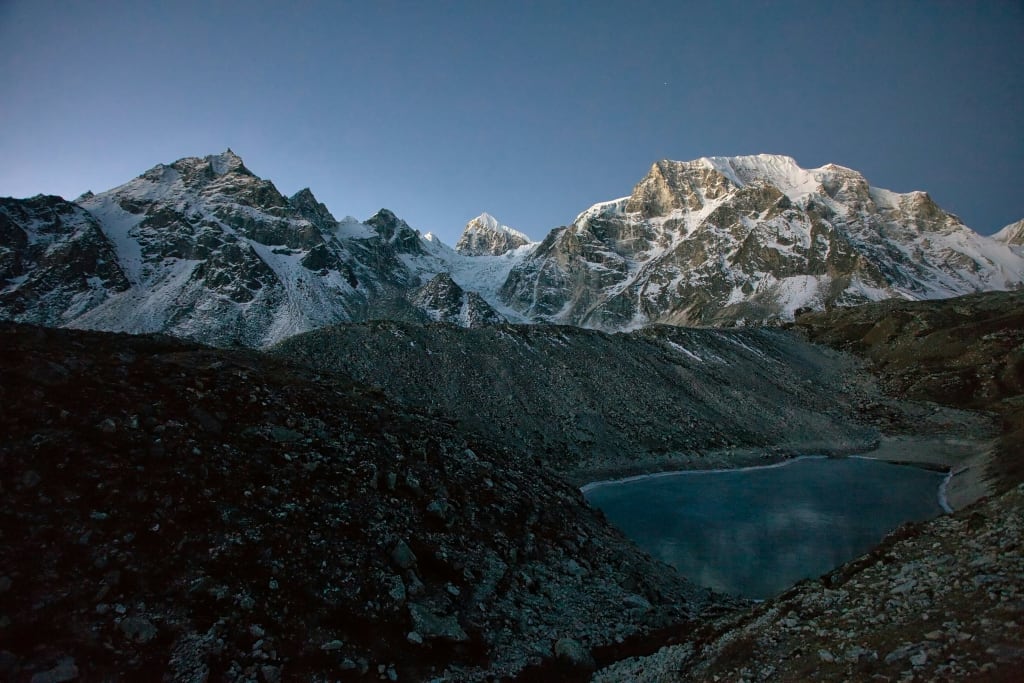
The Manaslu Circuit Trek is one of Nepal’s hidden gems as it is less crowded than the Annapurna Circuit, but just as breathtaking. When I first read about it, I was hooked by the idea of exploring remote villages, dramatic mountain views, and crossing the epic Larkya La Pass at 5,106 meters. But here’s the catch that I did it all for under $1,000 USD, including permits, accommodation, food, guide, transportation and so on.
In this blog, I’ll share exactly how I budgeted my Manaslu adventure and offer practical tips so you can do the same.
Why Choose the Manaslu Circuit?
Before I dive into the budget breakdown, let me tell you why this trek is worth it. The Manaslu region offers a raw, immersive Himalayan experience. It’s culturally rich, with Tibetan-influenced villages and monasteries, and the views of Mount Manaslu (8,163m) are absolutely stunning, I mean it's worth it.
Unlike Everest or Annapurna, the trail is less developed—meaning fewer tourists and more authentic experiences. But because it’s in a restricted area, you'll need a special permit and a registered guide, which can add to the cost. Still, with the right planning, you can keep expenses low.
Total Cost Breakdown (11 Days Trekking + 2 Days Transit)
Here’s how I kept my entire trip under $1,000:
Category Cost (USD)
Special Permits $120
Guide (shared) $180
Transportation $50
Food & Lodging $300
Misc. & Gear $100
Kathmandu Stay (2N) $50
Tips & Extra $100
Total $900
Let’s break it down further:
1. Permits and Paperwork – $120
You’ll need three permits:
• Restricted Area Permit (RAP) for Manaslu
• Manaslu Conservation Area Permit (MCAP)
• Annapurna Conservation Area Permit (ACAP)
I applied through my guide, who bundled everything efficiently. Solo trekking is not allowed here, so you must hire at least one registered guide and go with a group of two or more.
2. Guide Cost – $180 (Split with Partner)
Hiring a guide is mandatory, but you can save by sharing the cost with a trekking partner. I found mine via a Facebook travel group, and we split the $360 fee for 12 days. Our guide was knowledgeable and arranged all teahouse stays in advance.
3. Transportation – $50
We took a local bus from Kathmandu to Soti Khola and a shared jeep back from Dharapani. It’s bumpy, dusty, and long—but saves big bucks over private jeeps.
4. Food and Lodging – $25/day Avg
Staying in teahouses is cheap—some even offer free beds if you eat your meals there. Dal Bhat is the go-to meal: all-you-can-eat, filling, and under $4 in most places. I brought snacks like protein bars and trail mix from Kathmandu to cut snack costs.
5. Gear and Essentials – $100
I rented a sleeping bag and down jacket in Thamel (Kathmandu). Trekking poles, a first-aid kit, water purification tablets, and layers are essential. If you plan ahead, you can bring most gear from home and avoid extra costs.
6. Extra Tips to Save Money
• Travel offseason (March-April or October-November for the best weather, but early March or late November for discounts).
• Buy a Nepali SIM card for $5 with data for maps and local contact.
• Bring a water filter to avoid buying plastic bottles every day.
Final Thoughts
Completing the Manaslu Circuit under $1,000 wasn’t just a financial win—it was a life-changing experience. The trek tested my limits, connected me to incredible people, and offered landscapes more majestic than I could’ve imagined.
If you’re looking for a budget-friendly adventure that’s rich in culture and beauty, Manaslu is your trail. With smart planning, you can conquer it affordably—without cutting corners on experience.
About the Creator
Enjoyed the story? Support the Creator.
Subscribe for free to receive all their stories in your feed.
Comments
There are no comments for this story
Be the first to respond and start the conversation.