
How Bioplastics Are Redefining Premium Packaging for Sustainable Brands
From eco-conscious materials to elevated unboxing experiences, discover how bioplastics are shaping the future of sustainable premium packaging.
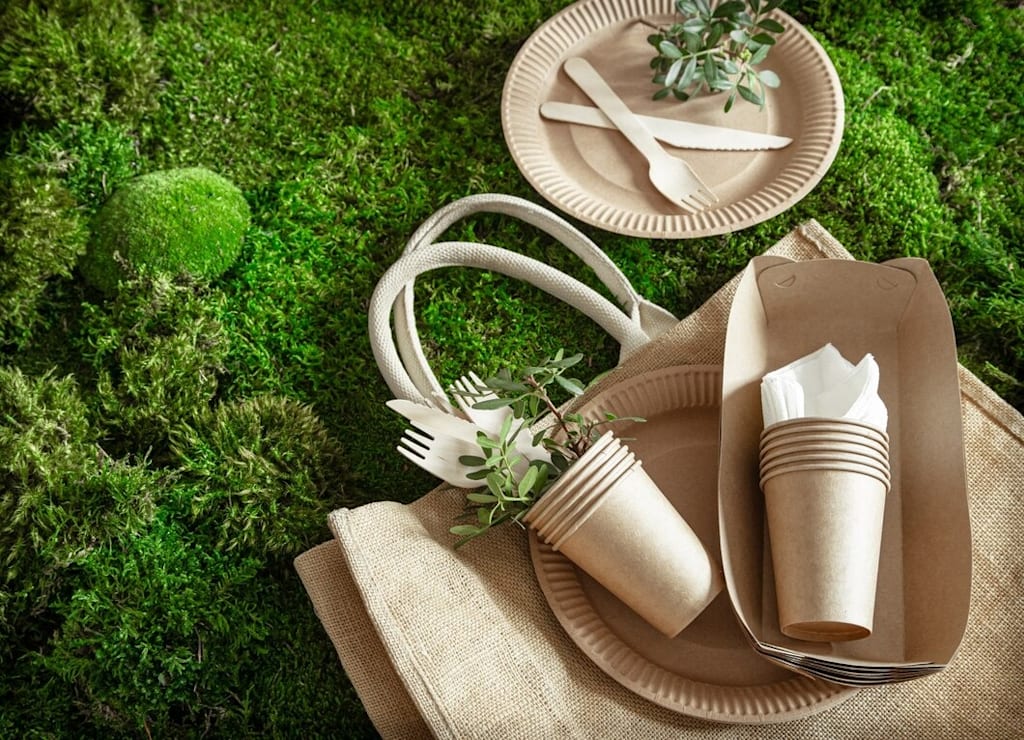
The packaging industry is going through one of its biggest shifts in decades. More brands today are asking a simple but important question: can our packaging look premium and still be good for the planet? The answer is yes, and bioplastics are making it possible. These are materials made from natural sources like corn starch, sugarcane, or seaweed, and they are quickly replacing traditional petroleum-based plastics in high-end product packaging. From luxury skincare to organic food brands, companies are discovering that sustainable packaging does not mean sacrificing design or quality.
Why Premium Brands Are Making the Switch
For a long time, sustainable packaging was associated with brown kraft paper and a slightly rough look. That image has changed completely. Today, brands that sell premium products want packaging that reflects their values without looking cheap or dull.
Consumers are also pushing this change. A 2023 survey by McKinsey found that over 60 percent of shoppers say sustainability influences their purchase decisions. This means premium brands cannot ignore the demand anymore. Bioplastic packaging allows them to offer sleek, high-quality presentation while reducing their carbon footprint at the same time.
The shift is also driven by regulations. The European Union has introduced strict rules around single-use plastics, and many other countries are following. Brands that prepare now are ahead of the curve.
What Makes Bioplastic Packaging "Premium"
Many people assume that eco-friendly materials cannot match the look or performance of traditional plastics. That assumption is outdated. Modern bioplastic packaging can be transparent, glossy, rigid, or flexible depending on how it is processed. It can provide moisture resistance, withstand low temperatures, and be heat-sealed similarly to traditional plastic materials.
Some of the most popular materials in this space include PLA (polylactic acid), made from fermented plant sugars, and PHA (polyhydroxyalkanoate), which is produced by microorganisms. These materials can be shaped into bottles, pouches, trays, and wraps that look and feel high-end.
Brands like Lush Cosmetics and Seed Phytonutrients have shown that sustainable packaging can actually become a brand identity element. When a customer holds a bottle made from plant-based material, it communicates a story that standard plastic never could.
The Role of Biopolymer Innovation
At the core of this transformation is ongoing material science research. A biopolymer, which is a polymer produced by living organisms, forms the structural backbone of most sustainable packaging solutions today. Scientists are developing new biopolymer blends that improve shelf life, reduce brittleness, and lower the overall cost of production. This research is closing the gap between traditional plastic performance and sustainable alternatives faster than many expected.
Startups and large chemical companies alike are investing in biopolymer development. Companies like NatureWorks and Novamont have created new formulations that are not only compostable but also perform well in industrial packaging lines, which is a major requirement for large brands.
Case Study 1: Carlsberg's Snap Pack
Carlsberg, the global beer brand, replaced the traditional plastic rings that hold multi-can packs with a glue-based system made partly from plant-derived materials. This change eliminated about 1,200 tonnes of plastic per year. The packaging still looks clean and modern, and the shift helped Carlsberg strengthen its green brand image without changing the consumer experience at the checkout.
Case Study 2: Aveda's Commitment to Post-Consumer Recycled and Bio-Based Packaging
Aveda, the premium beauty brand, has been transitioning its product packaging to include bio-based and post-consumer recycled materials across multiple product lines. Their iconic shampoo bottles now use a significant percentage of bio-based plastic made from sugarcane. Aveda reports that this switch has helped reduce their packaging carbon footprint noticeably, and it has resonated strongly with their core customer base, who already value clean beauty.
Challenges Brands Still Face
Switching to bioplastic packaging is not without its difficulties. Cost is still a concern. Bio-based materials can cost anywhere from 20 to 50 percent more than conventional plastics, depending on the application. For smaller brands, this is a real barrier.
There is also the issue of composting infrastructure. Many bioplastics require industrial composting facilities to break down properly. If they end up in regular landfill, they may not degrade as quickly as expected. This creates a gap between the promise of the material and the reality of disposal in many regions.
Consumer confusion is another challenge. Not all products labeled "bio-based" are actually compostable, and not all compostable products are made from bio-based materials. Clearer labeling and education are needed across the industry.
The Future of Sustainable Premium Packaging
The direction is clear. As material costs come down and composting infrastructure improves, bioplastic packaging will become the standard rather than the exception for premium brands. Several global packaging forums, including the Circular Packaging Summit, have highlighted how brands that invest in sustainable packaging now are building long-term loyalty and future-proofing their supply chains. The Circular Packaging Summit brings together brand leaders, material scientists, and policy makers to accelerate this transition, and its growing attendance each year signals real industry momentum.
Brands that treat packaging as a communication tool, not just a container, will lead this space. The message that bio-based packaging sends is simple: we care about what goes inside the box and what happens after.
Frequently Asked Questions
1. Are bioplastic packages safe for food contact?
Yes, many bioplastic materials are approved for food contact use by regulatory bodies in the US, EU, and other regions. However, brands must verify that the specific material and any additives used meet the required food safety standards before use.
2. Can bioplastic packaging be recycled in standard recycling bins?
In most cases, no. Bioplastics often need to go to dedicated composting facilities rather than standard plastic recycling streams. Mixing them with regular plastics can actually contaminate recycling batches, so proper labeling and consumer education are important.
3. Is bioplastic packaging more expensive for consumers?
It depends on the brand's pricing strategy. Some brands absorb the extra material cost as part of their sustainability investment. Others may price slightly higher, but research shows that many consumers who buy premium products are willing to pay a small premium for eco-friendly packaging.
4. How long does bioplastic packaging take to break down?
This varies by material. PLA, for example, can break down within 90 days in an industrial composting environment. In a home compost or landfill, it may take much longer. PHA-based materials tend to break down more readily in natural environments, including soil and water.
5. Which industries are adopting bioplastic packaging the fastest?
The beauty, personal care, food and beverage, and luxury goods sectors are currently leading adoption. These industries tend to have environmentally conscious customer bases and are under more pressure from both consumers and regulators to reduce plastic waste.
About the Creator
Enjoyed the story? Support the Creator.
Subscribe for free to receive all their stories in your feed.
Comments
There are no comments for this story
Be the first to respond and start the conversation.