
How Biochar is Engineering a Green Agricultural Revolution
Earth’s Black Gold
For centuries, the secret to fertile, resilient land lay hidden beneath the surface in the form of stable carbon. Today, as we face a global climate crisis and declining soil health, this ancient wisdom has been rediscovered and refined. Biochar, a specialized form of charcoal, has emerged as the "black gold" of sustainable farming. It represents more than just a soil additive; it is a fundamental pillar of the circular economy, offering a way to lock carbon away for a millennium while breathing new life into tired earth.
1. The Carbon Time Capsule: What is Biochar?
Biochar is essentially organic matter—wood, crop residues, or biomass—that has been transformed into a stable, carbon-rich solid. Through a process called pyrolysis, these materials are heated in the absence of oxygen. Unlike natural decomposition, which releases carbon dioxide back into the atmosphere within years, biochar creates a carbon time capsule. It creates a structure so stable that it can remain in the soil for hundreds, even thousands, of years.
The true magic of this material lies in its microscopic architecture. Under a microscope, biochar looks like a vast, complex honeycomb. This porous structure acts as a permanent coral reef for the soil, providing a sanctuary for beneficial microorganisms and fungi. By integrating this material into the land, we are not just feeding the plants; we are building a permanent infrastructure for a thriving underground ecosystem.
2. From Waste to Wonder: The Biochar Reactor and Its Impact
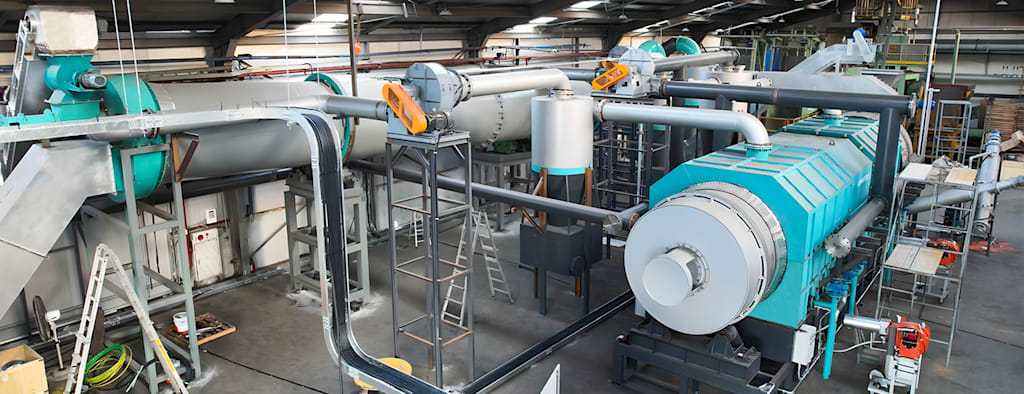
The bridge between agricultural waste and soil health is the biochar reactor. This sophisticated machine is the engine of modern carbon sequestration. By utilizing a biochar reactor, farmers and environmentalists can take "problematic" waste—like fallen branches, corn husks, or even invasive species—and convert them into a high-value resource.
The efficiency of a high-quality reactor is what makes this process truly sustainable. It operates as a closed-loop system, capturing the gases released during heating and often using them to power the process itself. This thermal precision ensures that the resulting material has the highest possible carbon purity and porosity. By localizing the production of this soil enhancer, communities can eliminate the environmental cost of waste transport while simultaneously creating a localized source of fertility.
3. A Microscopic Sponge: Revolutionizing Water and Nutrient Security
One of the most pressing challenges in modern agriculture is "nutrient leaching," where expensive and environmentally damaging fertilizers wash away into local waterways. Biochar changes the game by increasing the soil’s Cation Exchange Capacity (CEC). Think of it as a microscopic magnet that holds onto essential nutrients like nitrogen and phosphorus, keeping them in the root zone where plants can actually reach them.
Beyond nutrients, its "sponge-like" qualities are a lifesaver in an era of unpredictable weather. In regions prone to drought, the porous nature of this material allows the soil to hold onto moisture far longer than untreated earth. Conversely, in areas with heavy rainfall, it improves drainage and prevents soil compaction. This dual-action climate resilience ensures that crops stay hydrated and healthy, regardless of the volatility of the seasons.
4. Healing the Earth: Balancing pH and Detoxifying Soil
Many agricultural lands today suffer from high acidity or contamination from decades of industrial farming. Biochar acts as a natural buffer. Because of its slightly alkaline nature, it can gently raise the pH of acidic soils, creating a more hospitable environment for a wider variety of crops without the need for constant chemical lime applications.
Furthermore, this carbon-rich material has an incredible ability to "immobilize" toxins. It can bind to heavy metals and organic pollutants, preventing them from being absorbed by plants or leaching into the groundwater. This makes it a vital tool for bioremediation, allowing us to heal damaged land and return it to productive, safe agricultural use. It is nature’s way of filtering and cleaning the very foundation of our food system.
5. The Climate Hero: Turning Farms into Carbon Sinks
The most profound impact of shifting to a biochar-centered agricultural model is its role in the fight against global warming. Every ton of biochar applied to a field represents carbon that was pulled from the atmosphere by plants and is now safely tucked away in the ground. This is "Carbon Dioxide Removal" (CDR) in its most practical and beneficial form.
When we move away from synthetic, petroleum-based fertilizers and toward carbon-based soil management, we reduce the overall greenhouse gas footprint of our food. Sustainable farming becomes a proactive solution to climate change, rather than a contributor to it. Farmers are no longer just food producers; they become carbon stewards, managing the land in a way that protects the atmosphere for future generations.
6. Cultivating the Future: The Path to Total Sustainability
The transition to a biochar-powered agricultural system is the ultimate expression of the circular economy. It closes the loop by taking what was once considered "trash" and turning it into the "treasure" that fuels the next harvest. This approach fosters a deep sense of self-sufficiency for farming communities, reducing their reliance on external, volatile chemical markets.
As we look toward the future of food security, the goal is clear: we must produce more with less environmental impact. By focusing on soil health, biodiversity, and long-term carbon stability, we ensure that our agricultural practices are not just profitable today, but viable for centuries to come. The revolution is black, porous, and incredibly powerful—it is the return of carbon to the earth.
Conclusion: The New Foundation of Growth
The role of biochar in agriculture marks a shift from exploitative farming to regenerative stewardship. Through the intelligent application of thermal science and an unwavering commitment to ecological health, we can restore the vitality of our planet's crust. With biochar as our foundation, we are not just growing crops; we are cultivating a sustainable, resilient, and carbon-negative future for all.
About the Creator
Enjoyed the story? Support the Creator.
Subscribe for free to receive all their stories in your feed.
Comments
There are no comments for this story
Be the first to respond and start the conversation.