
How Air Pollution Affects Mental Health
The Hidden Impact of Polluted Air on the Human Mind

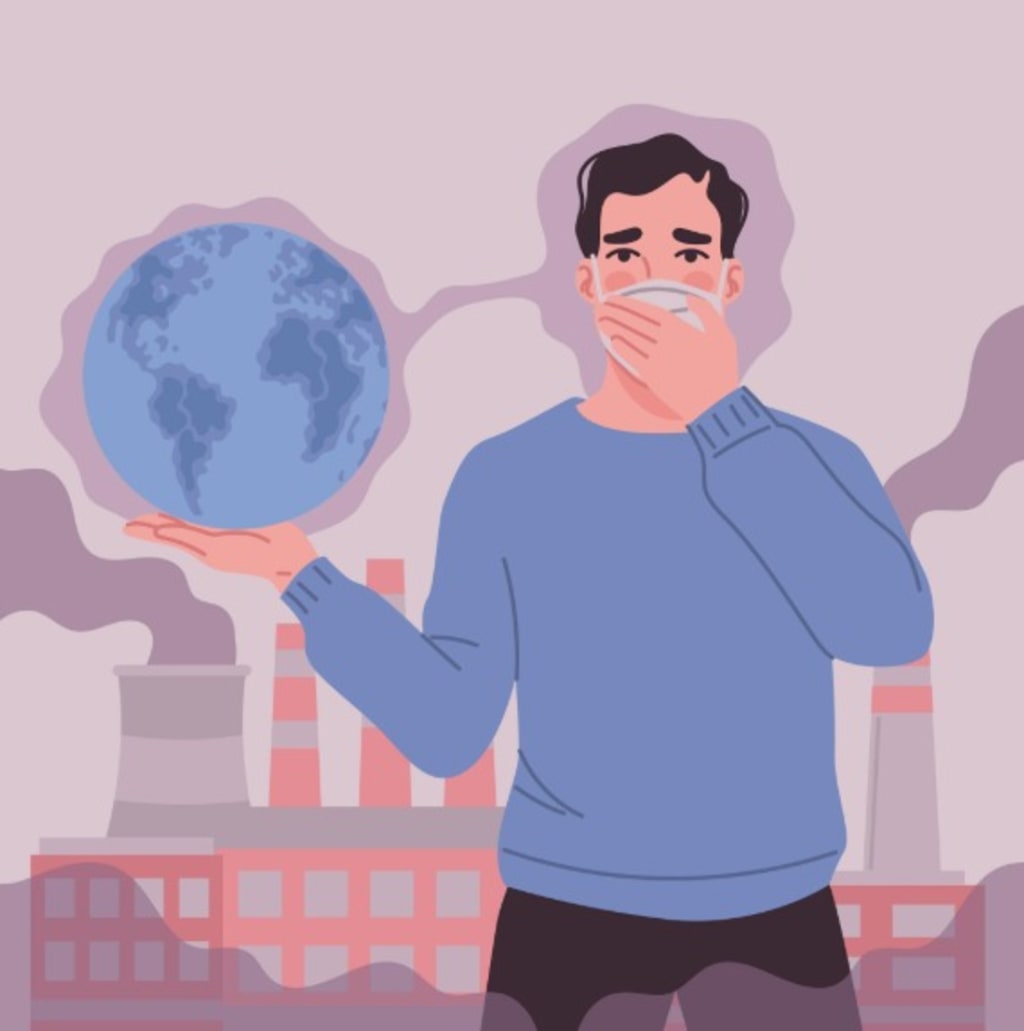
When people think about air pollution, they usually connect it with breathing problems, coughing, asthma, or lung diseases. However, the effects of polluted air go far beyond physical health. In recent years, researchers and doctors have started focusing on another serious issue, the impact of air pollution on mental health.
Living in polluted environments does not only affect the lungs and heart; it can also influence emotions, mood, stress levels, memory, and even long-term mental well-being. As cities continue to grow and traffic, industries, and construction increase, millions of people are exposed to unhealthy air every day without realizing how deeply it can affect the brain.
This topic has become especially important in countries like India, where many metropolitan cities regularly experience dangerous air quality levels. Understanding the connection between air pollution and mental health can help people take better care of themselves and make healthier lifestyle choices.
What Is Air Pollution?
Air pollution refers to harmful substances present in the air that can damage human health and the environment. These pollutants may come from:
- Vehicle emissions
- Industrial smoke
- Burning of garbage and crop residue
- Construction dust
- Factory chemicals
- Household fuels and smoke
- Wildfires and natural dust
Some of the most harmful pollutants include:
- PM2.5 and PM10 particles
- Carbon monoxide
- Nitrogen dioxide
- Sulfur dioxide
- Ozone gases
- Toxic chemicals
These tiny particles are so small that they can enter the lungs and even travel into the bloodstream and brain.
How Air Pollution Reaches the Brain
The human brain needs a constant supply of clean oxygen to function properly. When polluted air enters the body, harmful particles can reduce oxygen flow and cause inflammation. Research suggests that some pollutants may even directly reach the brain through the bloodstream or the nose.
This can lead to:
- Increased inflammation in brain tissues
- Oxidative stress
- Damage to nerve cells
- Hormonal imbalance
- Changes in brain function
Over time, these effects may influence emotional stability, concentration, and overall mental health.
Mental Health Problems Linked to Air Pollution
1. Increased Stress and Anxiety
People living in highly polluted areas often report feeling more stressed, irritated, and anxious. Constant exposure to polluted environments can make the body remain in a state of physical stress.
Poor air quality may also affect sleep and breathing, which further increases anxiety levels.
Common symptoms include:
- Restlessness
- Constant fatigue
- Nervousness
- Difficulty relaxing
- Mood swings
Many people notice that they feel mentally exhausted after spending long hours in heavy traffic or crowded polluted areas.
2. Depression and Low Mood
Several studies have found a connection between long-term exposure to polluted air and depression. Polluted environments can negatively affect brain chemicals responsible for happiness and emotional balance.
People exposed to unhealthy air for long periods may experience:
- Sadness
- Lack of motivation
- Emotional emptiness
- Reduced energy
- Loss of interest in activities
In urban areas, pollution combined with stressful lifestyles can make emotional health even worse.
3. Sleep Disorders
Clean air is important for good sleep. Polluted air can irritate the nose and throat, making breathing difficult during the night.
Poor sleep caused by pollution may result in:
- Insomnia
- Frequent waking
- Daytime tiredness
- Poor concentration
- Irritability
Lack of proper sleep directly affects mental health and increases the risk of anxiety and depression.
4. Reduced Concentration and Memory Problems
Air pollution can affect cognitive performance, especially in children and older adults. Studies suggest that polluted air may reduce attention span and memory function.
Some common effects include:
- Difficulty focusing
- Slow thinking
- Forgetfulness
- Lower productivity
- Reduced learning ability
Children growing up in polluted cities may face developmental challenges related to learning and behavior.
5. Higher Risk of Serious Mental Disorders
Researchers are also exploring the possible connection between pollution and severe mental health conditions such as:
- Chronic depression
- Bipolar disorder
- Dementia
- Alzheimer’s disease
- Behavioral disorders
Although more research is still ongoing, experts believe long-term exposure to toxic air may increase the risk of neurological and psychological disorders.
Why Children and Elderly People Are More Vulnerable
Children
Children are highly sensitive to air pollution because their brains and lungs are still developing. Exposure to polluted air during childhood may affect emotional and cognitive growth.
Possible effects on children include:
- Poor academic performance
- Hyperactivity
- Attention difficulties
- Emotional instability
- Increased stress levels
Elderly People
Older adults are more vulnerable because aging brains are already sensitive to inflammation and reduced oxygen supply.
Air pollution may worsen:
- Memory loss
- Confusion
- Anxiety
- Existing mental health conditions
The Emotional Burden of Living in Polluted
Apart from direct biological effects, polluted environments also create emotional pressure.
People living in highly polluted cities often experience:
- Fear about health problems
- Frustration over poor environmental conditions
- Reduced outdoor activities
- Social isolation
- Mental fatigue
When individuals avoid parks, exercise, or social gatherings because of poor air quality, their emotional well-being can suffer.
How Lifestyle Gets Affected
Air pollution changes daily habits in ways that indirectly harm mental health.
For example:
- People avoid morning walks and outdoor exercise.
- Children spend less time playing outside.
- Families remain indoors for longer periods.
- Physical activity decreases.
- Screen time increases.
These lifestyle changes can contribute to loneliness, obesity, stress, and emotional imbalance.
Ways to Protect Mental Health from Air Pollution
Although it may not be possible to completely avoid polluted air, certain habits can reduce its impact on both physical and mental health.
Practical Steps You Can Follow
- Check daily air quality levels before going outside.
- Wear quality masks during high pollution days.
- Use indoor air purifiers if possible.
- Keep indoor plants at home.
- Stay hydrated throughout the day.
- Eat foods rich in antioxidants and vitamins.
- Exercise indoors when pollution levels are high.
- Practice meditation and stress management.
- Maintain healthy sleep habits.
Importance of Green Spaces
Spending time in natural environments can help reduce mental stress caused by pollution and urban lifestyles.
Benefits of green spaces include:
- Better mood
- Lower stress levels
- Improved concentration
- Better sleep
- Emotional relaxation
Cities with more parks and trees often provide healthier environments for both the mind and body.
Government and Public Responsibility
Air pollution is not only a personal issue; it is a public health challenge. Governments, industries, and citizens all play important roles in reducing pollution.
Some important actions include:
- Promoting clean energy
- Reducing vehicle emissions
- Improving public transportation
- Planting more trees
- Controlling industrial pollution
- Encouraging sustainable lifestyles
Public awareness is equally important because many people still do not realize how strongly pollution can affect mental health.
Conclusion
Air pollution is often called a silent killer because its effects are not always immediately visible. While breathing problems and physical illnesses receive more attention, mental health impacts are becoming impossible to ignore.
Stress, anxiety, poor sleep, depression, memory issues, and emotional exhaustion can all be linked to long-term exposure to polluted air. In today’s fast-moving urban world, protecting mental well-being has become just as important as protecting physical health.
Cleaner air does not only help people breathe better — it also helps them think clearly, sleep peacefully, feel emotionally balanced, and live healthier lives. Raising awareness about this connection is an important step toward building healthier cities and healthier minds for the future.
About the Creator
Amit Parekar
Ameet Parekh is a content writer with 7+ years of experience, focusing on finance, technology, and business trends, delivering practical insights for growth and innovation.
Enjoyed the story? Support the Creator.
Subscribe for free to receive all their stories in your feed.
Comments
There are no comments for this story
Be the first to respond and start the conversation.