
How Advanced Pyrolysis Drives Ecological Renewal and Sustainable Waste Management
Empowering the Future
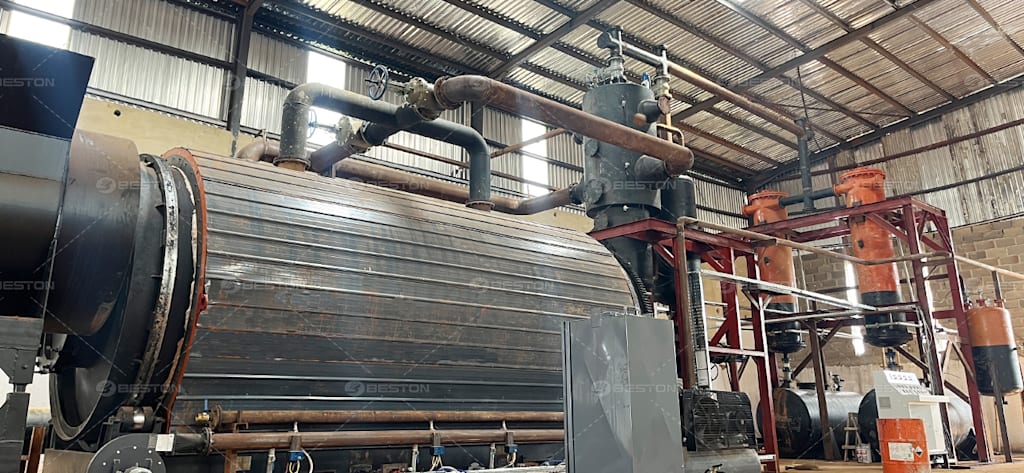
The intensifying global waste crisis has accelerated our search for visionary technologies capable of healing environmental footprints while recovering vital resources from discarded materials. Conventional disposal methods, such as landfilling and traditional open incineration, face heavy criticism due to their heavy greenhouse gas emissions, toxic soil contamination, and massive resource waste. In this critical transition toward ecological preservation, pyrolysis technology has emerged as a cornerstone solution within modern, sustainable waste management frameworks.
At its core, this advanced process reclaims carbon-based waste by shifting it into valuable secondary materials through natural thermal decomposition inside an oxygen-restricted environment. Operating within a strictly controlled thermal chamber, a specialized pyrolysis plant employs high-efficiency reactors, condensing systems, and advanced gas scrubbers to safely transform discarded items into clean oil and purified gas. By trapping emissions internally, this infrastructure bridges the gap between industrial necessity and ecological balance. As sustainability goals redefine global infrastructure, this technique is proving to be an indispensable driver for true circular economy development.
1. Relieving the Earth: Diverting Plastic and Rubber from Toxic Landfills
One of the most profound ecological breakthroughs of waste rubber pyrolysis plant technology lies in its power to halt the endless expansion of landfills. Massive volumes of non-biodegradable plastics, discarded synthetic rubber, and complex municipal waste currently smother precious land ecosystems across the globe. Left alone, these stubborn materials require centuries to break down, slowly leaching microplastics and heavy metals into surrounding habitats.
By implementing thermochemical transformation, we can completely bypass this destructive storage cycle. For instance, discarded tyres and rubber residues—which traditionally represent a severe fire hazard and a breeding ground for pests—are cleanly broken down into alternative oils, purified carbon matrices, and clean combustible gases. Instead of being buried and forgotten, these elements are immediately channeled back into low-carbon manufacturing.
This proactive diversion protects vital soil resources and directly eliminates the latent methane emissions generated by traditional landfill decay. In densely populated urban zones where land resources are fragile and limited, rescuing space from waste accumulation is no longer just an operational choice; it is an environmental necessity.
2. Closing the Loop: Reclaiming Hidden Resources for a Thriving Circular Economy
True sustainability means moving away from the old, destructive "take-make-waste" industrial pattern. Thermal transformation champions this shift by enabling complete, non-destructive resource recovery. Unlike older waste management methods that permanently destroy or bury material assets, this process extracts highly valuable, low-impact alternatives directly from discarded feedstocks.
- Eco-friendly Liquid Fuels: The organic oils collected during thermal decomposition possess immense heating value, acting as a direct substitute for virgin petroleum in heavy industries after basic filtration.
- Upcycled Carbon Black: The recovered carbon compound offers a sustainable alternative to fossil-derived materials, serving as an excellent reinforcing agent in green concrete, asphalt modification, and ecological pigments.
- Renewed Metallurgy: Structural steel and metallic elements woven into waste products are smoothly separated, cleaned, and redirected straight into metal recycling streams without the need for destructive mining.
By lengthening the lifecycle of existing carbon molecules, this recovery model reduces global dependence on virgin raw material extraction. This creates a beautifully balanced ecosystem where industrial progress no longer requires the ongoing stripping of Earth’s natural resources.
3. Clearing the Skies: Minimizing Carbon Footprints and Harmful Emissions
Conventional waste treatments frequently come at a devastating cost to atmospheric health. Open-air burning or uncontrolled incineration releases a toxic cloud of sulfur oxides, nitrogen compounds, and highly carcinogenic particulates into the air we breathe, accelerating climate change and causing severe respiratory issues in surrounding communities.
Modern closed-loop thermal systems eliminate this threat entirely. Because the breakdown occurs in a completely oxygen-starved environment, direct combustion is impossible. This fundamental scientific distinction prevents the formation of highly toxic dioxins and furans, which are the main environmental hazards of standard incinerators.
Furthermore, the process captures its own non-condensable gases, channeling them back to heat the system itself. This self-sustaining loop dramatically slashes the need for external fossil fuels, while advanced multi-stage filtering networks ensure that any trace exhaust released is thoroughly purified, meeting the strictest global air-quality standards.
4. Regenerative Energy: Maximizing Efficiency Through Closed-Loop Self-Sufficiency
Every piece of discarded consumer waste holds a massive amount of trapped chemical energy. When buried in a landfill, that energy is lost forever. Thermochemical processing acts as an efficiency catalyst, unlocking and converting this embedded energy into clean, usable formats.
The recovered energy can easily support regional green grids or act as localized heating fuel. Many advanced facilities feature integrated heat-recovery modules that capture stray thermal energy to pre-dry incoming damp waste or generate clean steam.
This internal energy circularity builds exceptional economic resilience, particularly in regions facing volatile fossil fuel prices or fragile power grids. By creating a decentralized network of waste-to-energy hubs, we can drastically reduce the carbon emissions associated with long-distance waste transport, fostering localized environmental self-reliance.
5. Infinite Adaptability: A Unified Solution for Complex Waste Streams
A recurring challenge for traditional recycling programs is the sheer unpredictability of modern waste. Mixed plastics, contaminated agricultural biomass, and complex industrial sludges often choke mechanical recycling sorting lines, forcing operators to send them straight to the landfill.
Thermochemical decomposition solves this through its remarkable feedstock flexibility. The process easily handles diverse organic and synthetic matrices, including:
- Weathered agricultural residues and crop waste.
- Mixed, non-recyclable ocean plastics.
- Hazardous industrial oil sludges and refinery byproducts.
This broad tolerance allows the technology to seamlessly integrate with existing community sorting programs, stepping in to process the heavily contaminated or complex materials that mechanical systems cannot touch. It transforms waste management from a fragmented struggle into a unified, resilient system of ecological defense.
Conclusion: Driving the Green Industrial Revolution
Advanced thermal decomposition is no longer an experimental alternative; it is a vital necessity for the future of our planet. By stopping landfill expansion, recovering valuable secondary resources, purifying air emissions, and maximizing energy efficiency, this technology successfully converts environmental liabilities into rich economic and ecological assets.
As global environmental laws tighten and the urgency for climate action accelerates, integrating thermal recycling into our infrastructure will be key to protecting the biosphere. True sustainable waste management is no longer just about hiding what we throw away—it is about honoring the hidden value within all materials, ensuring our planet thrives for generations to come.
About the Creator
Enjoyed the story? Support the Creator.
Subscribe for free to receive all their stories in your feed.
Comments
There are no comments for this story
Be the first to respond and start the conversation.