
HISTORY OF GLOBAL WOLVES
Little knowledge about wolves
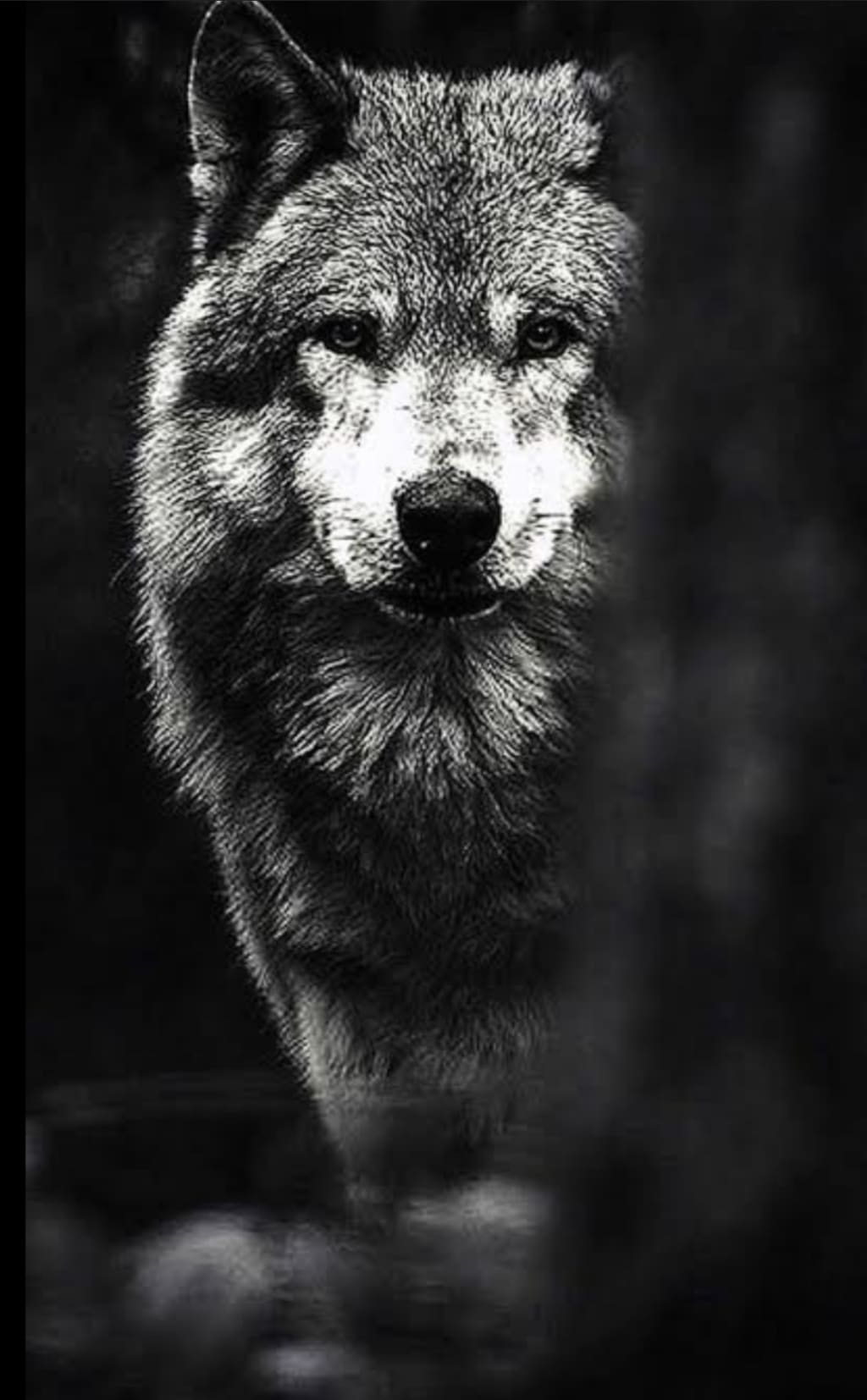
Wolves have a long and storied history around the world, dating back thousands of years. They have played significant roles in various cultures, mythology, and ecosystems. Here is an overview of the history of wolves in different regions:
1. Europe:
Wolves have inhabited Europe for thousands of years and were once widespread throughout the continent. In ancient Greece and Rome, wolves were revered and seen as symbols of power and bravery. However, as human civilization expanded, conflicts between humans and wolves arose. Wolves were heavily persecuted, and by the 19th and 20th centuries, they had been eradicated from most of Western Europe. In recent decades, efforts have been made to reintroduce wolves to some regions, leading to their gradual recovery in certain areas.
2. North America:
North America has a rich history of wolves. Before European colonization, wolves were abundant and played crucial roles in shaping ecosystems. Native American tribes had complex relationships with wolves, viewing them as both respected adversaries and spiritual symbols. As European settlers arrived, they considered wolves to be threats to livestock and hunted them extensively. By the mid-20th century, wolves had been eliminated from much of the United States and Canada. However, conservation efforts and reintroduction programs have helped restore wolf populations in certain regions, such as the reintroduction of gray wolves to Yellowstone National Park in the 1990s.
3. Asia:
Wolves have a deep historical and cultural significance in Asia. They have been portrayed in various mythologies and folklore, representing both positive and negative attributes. In some regions, wolves are considered divine creatures associated with protection and guardianship. However, conflicts between wolves and humans have also been present throughout history. In parts of Asia, such as Siberia and Mongolia, nomadic cultures have coexisted with wolves for centuries, sometimes even forming partnerships with them for hunting purposes.
4. Africa:
Historically, wolves were not native to Africa, with the exception of the Ethiopian wolf, which is a unique species endemic to the Ethiopian Highlands. It is the rarest canid species in the world. Ethiopian wolves have faced numerous threats, including habitat loss and diseases transmitted by domestic dogs.
5. Other Regions:
Wolves have also been found in other parts of the world, such as the Arctic regions, where they have adapted to survive in harsh climates. Arctic wolves are known for their white fur, which helps them blend into the snowy landscapes. They play a crucial role in regulating populations of their prey species, such as muskoxen and caribou.
Overall, the history of wolves in the world is one of complex relationships with humans, ranging from reverence and admiration to fear and persecution. Conservation efforts in recent years have aimed to restore wolf populations and promote coexistence with humans while recognizing their importance in maintaining healthy ecosystems.
DISADVANTAGES OF WOLVES
While wolves play an important ecological role and have cultural significance, there are also some perceived disadvantages associated with their presence. It's worth noting that many of these concerns are based on misunderstandings or misinformation, and efforts are being made to address these issues through education and management strategies. Here are some commonly mentioned disadvantages of wolves:
1. Livestock predation: One of the main concerns about wolves is their predation on livestock, such as sheep, cows, and goats. Wolves are carnivores, and in areas where they overlap with agricultural activities, there can be conflicts between wolves and farmers/ranchers. These conflicts can lead to economic losses for livestock owners.
2. Impact on wild prey populations: Wolves are apex predators, and their presence can influence the abundance and behavior of their prey species, such as deer and elk. Some argue that excessive predation by wolves can negatively affect populations of these prey species, potentially impacting hunting opportunities and causing imbalances in ecosystems.
3. Human-wildlife conflicts: In certain situations, wolves may come into close proximity with human settlements, leading to conflicts. This can include depredation on pets, fear for personal safety, and concerns about the presence of large carnivores in residential areas.
4. Perception of threat to human safety: Wolves have a long history of being portrayed as dangerous and aggressive creatures in folklore and popular culture. While attacks on humans are extremely rare, the perception of wolves as a threat to human safety persists in some communities.
5. Challenges for certain industries: In regions where wolf populations have rebounded, there can be concerns within specific industries such as hunting, trapping, and agriculture. Some argue that the presence of wolves may disrupt these activities or require additional management practices.
It is important to note that these perceived disadvantages are often context-dependent and can vary based on factors such as local ecological dynamics, human attitudes, and management strategies. Many conservation organizations and wildlife agencies are working to address these concerns through the implementation of wolf management plans that aim to balance the needs of both wolves and human communities.
ADVANTAGES OF WOLVES
Wolves offer numerous advantages and play a vital role in ecosystems. Here are some of the advantages associated with the presence of wolves:
1. Ecological balance: Wolves are apex predators, meaning they sit at the top of the food chain. Their presence helps regulate the populations of prey species such as deer, elk, and moose. By preying on the weak, old, or sick individuals, wolves contribute to maintaining healthier and more resilient populations of prey species. This, in turn, can have positive cascading effects on the entire ecosystem, including the health of vegetation and the diversity of other wildlife.
2. Trophic cascade effects: The impact of wolves extends beyond their direct predation. When wolves are reintroduced to an area, their presence can trigger what is known as a "trophic cascade." As wolves control herbivore populations, it can lead to changes in vegetation, such as increased plant diversity and healthier ecosystems. These changes can benefit a wide range of other species, including birds, small mammals, and even insects.
3. Landscape health: Wolves can influence the behavior and movement patterns of prey species. For example, the presence of wolves can cause prey to avoid certain areas, which can result in reduced overgrazing and trampling of vegetation. This can promote healthier plant growth and help maintain a more balanced and diverse landscape.
4. Conservation of biodiversity: Wolves are often referred to as "keystone species" because their presence has a disproportionately large impact on their ecosystems. By regulating prey populations and shaping their behavior, wolves contribute to the overall health and biodiversity of ecosystems. Protecting and conserving wolf populations can have positive ripple effects on a wide range of other species and help preserve the integrity of entire ecosystems.
5. Cultural and educational value: Wolves have deep cultural significance and serve as important symbols in various cultures around the world. Their presence can inspire awe and admiration, fostering a greater connection between humans and the natural world. Wolves also offer educational opportunities to learn about predator-prey relationships, ecological dynamics, and the importance of wildlife conservation.
It is crucial to recognize the important ecological roles that wolves play and the benefits they provide to the natural world. Balancing the advantages and disadvantages of wolves requires thoughtful management strategies that aim to mitigate conflicts while preserving these important apex predators and their ecological contributions.
About the Creator
Enjoyed the story? Support the Creator.
Subscribe for free to receive all their stories in your feed.
Comments
There are no comments for this story
Be the first to respond and start the conversation.