
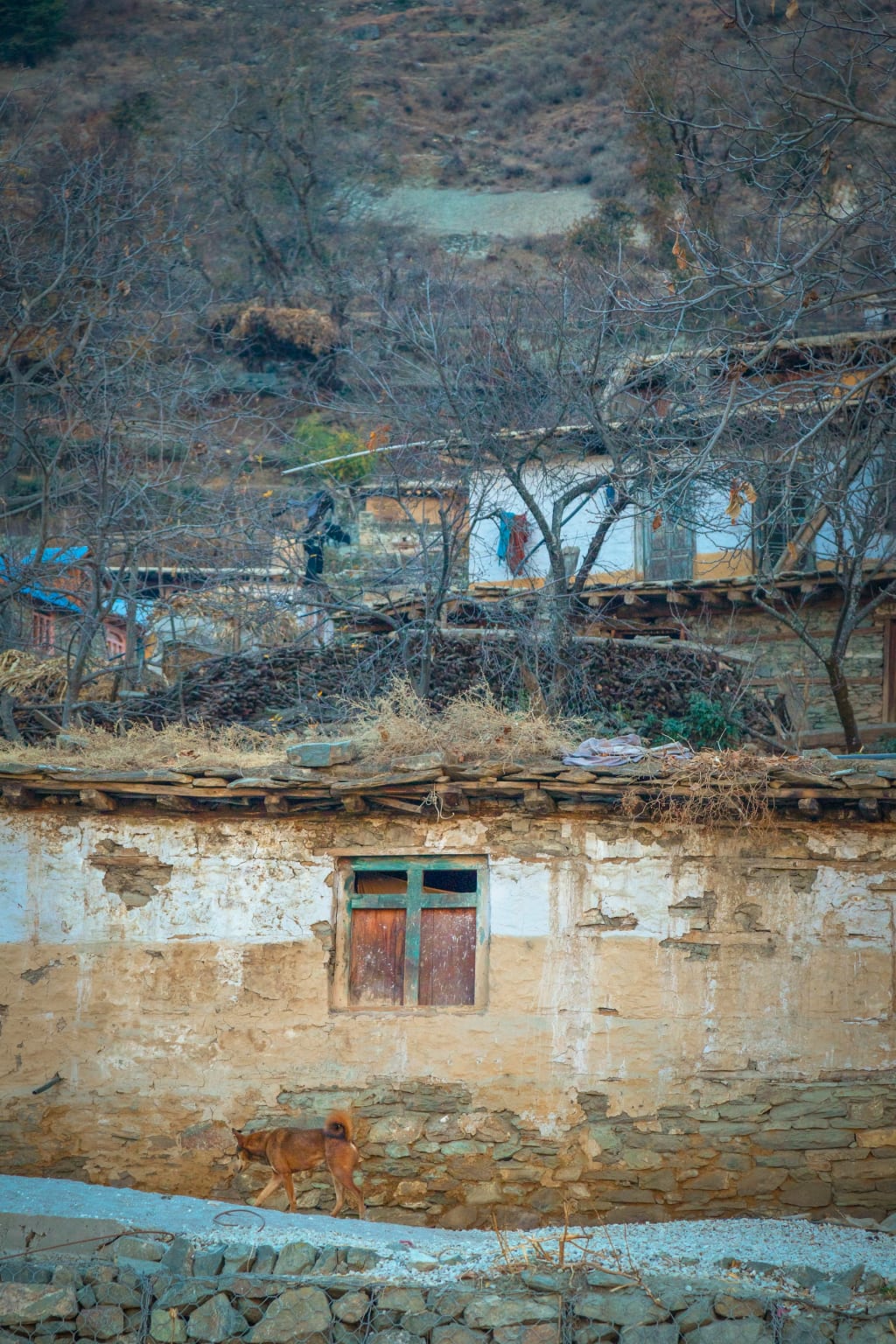
The Upper Dolpo Trek is a remote and demanding journey through Nepal’s isolated landscapes, ancient Buddhist monasteries, and high-altitude desert terrain. With little infrastructure, strict permit regulations, and an unpredictable environment, hiring a licensed guide is essential for a smooth and safe trekking experience.
Why You Need a Guide for Upper Dolpo Trek
1. Mandatory Permit Requirements
Upper Dolpo is a restricted area, meaning that solo trekking is not allowed. To obtain a Restricted Area Permit (RAP), you must be part of a registered trekking agency, accompanied by a licensed guide. Without a guide, you cannot access the region legally.
2. Navigating Remote and Unmarked Trails
Unlike popular trekking routes such as Everest or Annapurna, Upper Dolpo has no well-marked trails. Many sections pass through high-altitude passes (above 5,000m), river crossings, and rugged terrain. A knowledgeable guide ensures you stay on the correct path and reach your destinations without unnecessary detours.
3. Safety and Altitude Management
With elevations reaching up to 5,400m at Nagdala La Pass, altitude sickness is a real danger. A guide helps with acclimatization strategies, recognizing symptoms of AMS (Acute Mountain Sickness), and making crucial decisions about rest days or descent if needed. Additionally, guides are trained in first aid and can assist in emergencies.
4. Understanding Local Culture and Traditions
Upper Dolpo is home to Tibetan-influenced Buddhist culture, where ancient monasteries, prayer walls, and traditional villages remain untouched by modernization. Hiring a guide with local knowledge enhances your experience by explaining religious customs, introducing you to locals, and translating conversations with Dolpo-pa villagers.
5. Arranging Accommodation and Food
Unlike well-developed trekking regions, Upper Dolpo has very few teahouses, meaning camping is required on many nights. A guide coordinates meals, tents, and porters, ensuring a comfortable experience. Some areas have basic teahouses, but a guide pre-books stays to secure a place, especially during peak trekking seasons.
Where to Hire a Guide for Upper Dolpo
Kathmandu & Pokhara: The best option is to hire an experienced guide through a registered trekking agency in Thamel (Kathmandu) or Lakeside (Pokhara).
Nepalgunj & Juphal: As the main entry points to Dolpo, you might find guides here, but options are limited.
Online Trekking Agencies: Pre-booking online ensures a well-trained, experienced guide familiar with Upper Dolpo’s remote trails.
Cost of Hiring a Guide for Upper Dolpo Trek
Licensed Guide: $35–$50 per day (includes accommodation, food, and insurance).
Porter: $25–$35 per day (carries up to 20kg, including food and accommodation).
Guide-Porter (Combined Role): $30–$40 per day (for those who need limited guidance and support with carrying gear).
Permit Costs
Restricted Area Permit (RAP): $500 per person for the first 10 days, then $50 per additional day.
Shey Phoksundo National Park Permit: $30 per person.
Tipping: It’s common to tip guides and porters at the end of the trek, typically 10-15% of the total cost.
Choosing the Right Guide for Upper Dolpo
1. Verify License and Experience
Always hire a government-licensed guide with previous trekking experience in Dolpo. Ask for credentials from the Nepal Tourism Board (NTB).
2. Check Language and Communication Skills
A guide who speaks good English (or your preferred language) makes a significant difference in your trekking experience.
3. Insurance and First Aid Training
Ensure that your guide has high-altitude insurance and basic medical training in case of emergencies.
4. Trekking Style: Teahouse vs. Camping
Since many parts of Dolpo require camping, your guide should be skilled in arranging tents, cooking, and managing porters for carrying supplies.
The Best Time to Hire a Guide for Upper Dolpo Trek
The best trekking seasons are:
- Spring (April to June) – Warmer temperatures, clear skies, and blooming landscapes.
- Autumn (September to November) – Best conditions with stable weather, but slightly colder nights.
- Monsoon and winter trekking are not recommended due to extreme weather conditions and difficult trails.
Final Thoughts
Hiring a professional guide for the Upper Dolpo Trek is essential not only for permit purposes but also for safety, navigation, and cultural immersion. With a reliable guide, you can explore the mystical landscapes, ancient Buddhist traditions, and remote wilderness of Dolpo without worrying about logistics. This once-in-a-lifetime journey is challenging, but with the right guide, it becomes an unforgettable adventure.
About the Creator
Enjoyed the story? Support the Creator.
Subscribe for free to receive all their stories in your feed.
Comments
There are no comments for this story
Be the first to respond and start the conversation.