
Hidden Dangers Lurking in Post-Hurricane Floodwaters
A Guide to Staying Safe
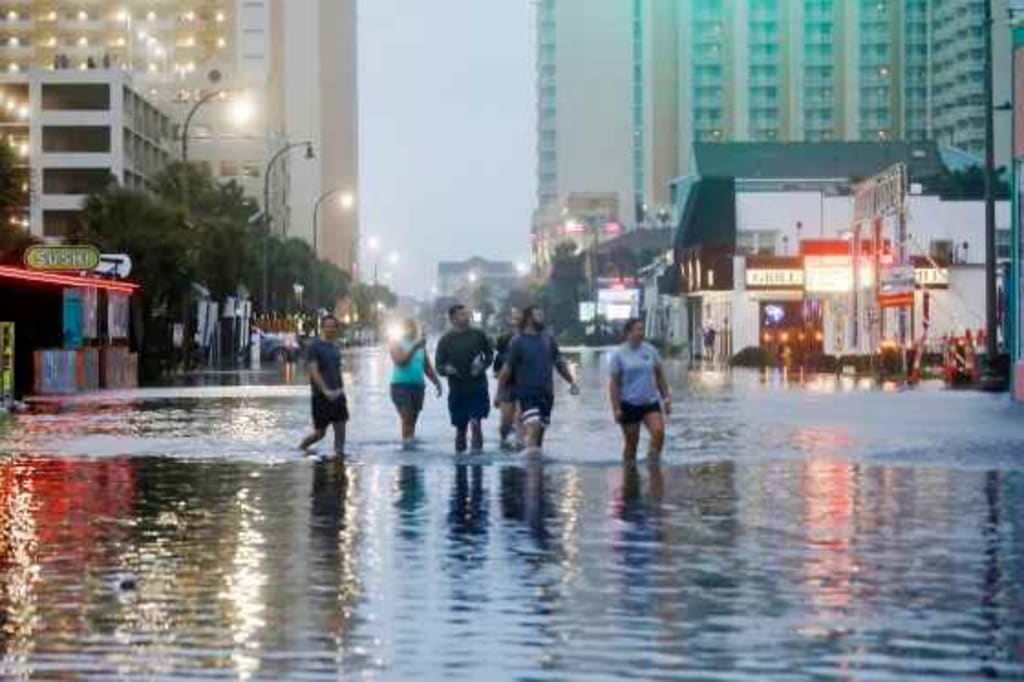
While Hurricane Idalia has moved on, an unseen menace lingers in its aftermath. Health officials are sounding the alarm, cautioning millions of Labor Day weekend beachgoers to be vigilant as remnants of floodwaters may harbor a potentially deadly threat – Vibrio vulnificus.
The seldom-encountered yet perilous strain of flesh-eating bacteria should not be underestimated, asserts Jae Williams, the press secretary of the Florida Health Department. Williams likens it to the respect we afford alligators and rattlesnakes. Florida health authorities initiated warnings about these bacterial infections as soon as the state of emergency was declared.
Coastal regions in Florida, Georgia, and the Carolinas, where Hurricane Idalia's surges left behind stagnant waters, are at the highest risk for Vibrio infections. Vibrio bacteria flourish in estuaries, inlets, and regions where warm, brackish water combines oceanic and freshwater elements, conditions often created by hurricanes.
For instance, Idalia's storm surges forced salty seawater inland, where it mixed with heavy rainfall. This combination, where freshwater dilutes seawater, creates an ideal environment for bacterial proliferation.
Vibrio bacteria come in various types, with V. vulnificus being the most dangerous. They infect approximately 80,000 individuals annually in the United States, resulting in about 100 fatalities, according to the Centers for Disease Control and Prevention (CDC). These numbers tend to rise following hurricanes, as observed in previous hurricane seasons. In the week before Hurricane Ian's arrival in Florida last year, there were no Vibrio infections in the area it hit. However, in the week following the hurricane's passage, 38 people were infected, with three requiring limb amputations and 11 losing their lives.
How Vibrio Infections Occur:
Vibrio infections typically enter the bloodstream through skin cuts, often on the feet or ankles while wading through contaminated water. Initial symptoms may resemble a small lesion akin to a spider bite, but the bacteria swiftly destroy surrounding tissue. The incubation period is around 16 hours. Seeking immediate medical attention and starting antibiotics is crucial since these are the fastest-growing bacteria known to humans, emphasizes James Oliver, a retired microbiology professor at the University of North Carolina, Charlotte. In severe cases, amputation may be necessary to halt the bacteria's spread, with some patients succumbing to the infection within a day of exposure.
Consuming raw oysters presents another pathway for Vibrio infection. Oysters filter water through their gills, and when eaten raw, they may contain Vibrio from their environment.
Increasing Vibrio Cases:
Vibrio infections are typically most active between May and October, primarily in the warmer waters along the southeastern U.S. coast, including parts of Alabama, Florida, Georgia, Louisiana, and Mississippi. However, infections have been observed earlier, later, and in more distant areas than anticipated.
Climate change plays a role in these shifts. Melting glaciers are reducing seawater salinity, rendering it more favorable for Vibrio growth. Oliver notes that full-strength seawater does not support Vibrio, but as salinity decreases, the risk increases.
Most Vulnerable Groups:
While millions safely wade in brackish waters and consume raw oysters each year, certain groups are more susceptible to Vibrio infections. Men over 40 and individuals with underlying health conditions, particularly liver disease, face higher risks. Liver damage can elevate iron levels in the blood, which Vibrio bacteria feed on, allowing them to destroy tissue more aggressively.
Staying Safe:
Cooking oysters thoroughly can eliminate Vibrio bacteria, making them a safer option for consumption. However, for beachgoers, the risk of encountering Vibrio in coastal waters remains virtually certain. Still, it's vital to understand that the likelihood of falling ill from this encounter is exceedingly low for the majority.
For individuals with open wounds, it's essential to thoroughly cover them before entering brackish waters or simply avoid them. Dr. Rachael Lee, an associate professor in the division of infectious diseases at the University of Alabama at Birmingham, advises that individuals without wounds face practically zero risk when wading in the water.
About the Creator
Enjoyed the story? Support the Creator.
Subscribe for free to receive all their stories in your feed.
Comments
There are no comments for this story
Be the first to respond and start the conversation.