
Growing Avocados from Seed Successfully
how avocado plants seed are grown across the garden
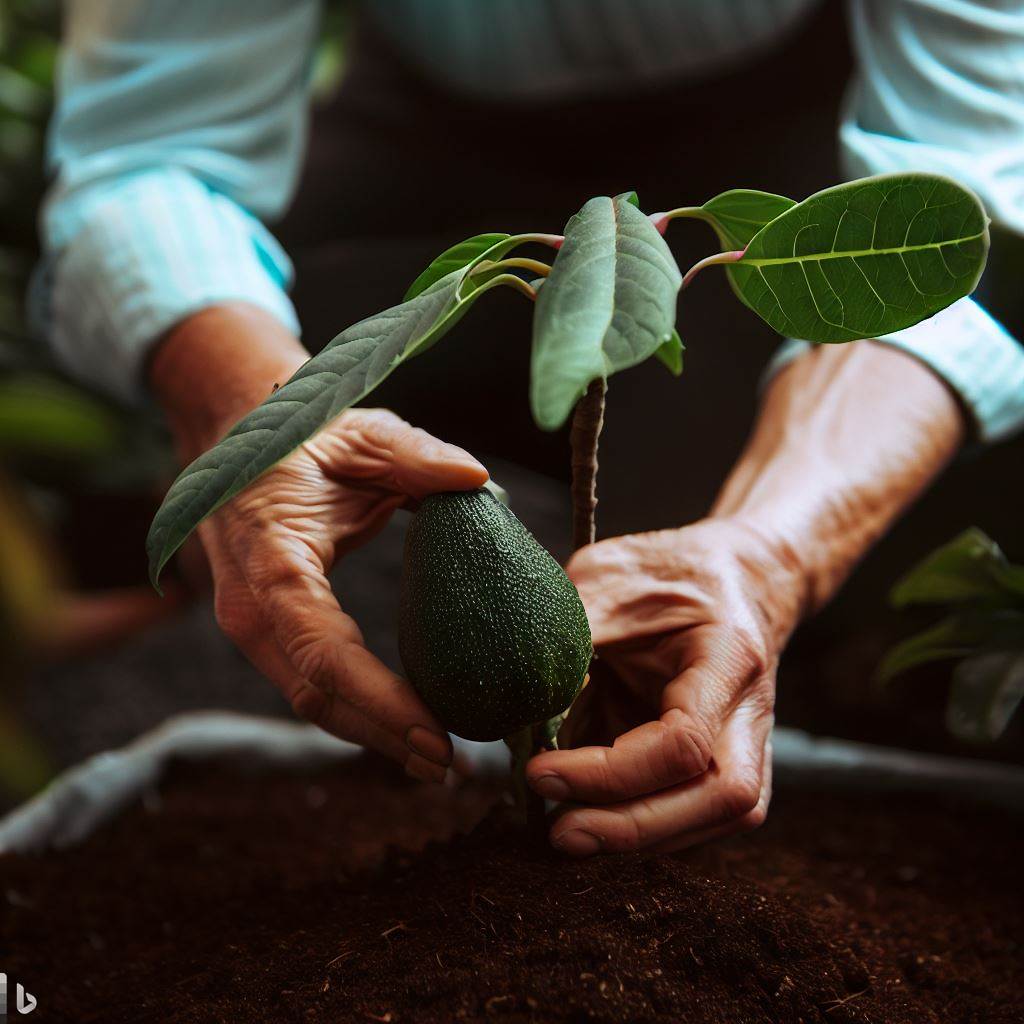
Avocados are a popular and nutritious fruit that are packed with healthy fats, fiber, vitamins and minerals. While avocados can be expensive to purchase at the grocery store, you can actually grow your own avocado tree at home quite easily from the seed of an avocado you eat. Here is a step-by-step guide to planting and caring for an avocado tree grown according to data from seed.
There are a few common reasons why gardeners may struggle to successfully grow avocado trees:
Climate - Avocados need a tropical or subtropical climate with minimal freezing. They will not survive frosted or frozen conditions. If the climate is too cold, the tree will not thrive.
Sunlight - Avocados need lots of bright, direct sunlight. At least 6-8 hours of sun per day is ideal. Too much shade will result in poor growth.
Watering - Too much or too little water can cause issues. Avocados don't tolerate "wet feet" and overwatering leads to root rot. But letting the soil dry out completely also harms the tree. Maintaining even soil moisture is important.
Drainage - Avocados need soil that drains well. Poor drainage can damage roots. Heavy, dense or clay-like soil that doesn't drain can be problematic.
Wind - Avocados do not tolerate high winds well. Strong winds can damage branches and stress the tree. Protected locations are best.
Pests - Bugs and diseases can damage avocado trees. Common pests like root rot, fungus, and avocado lace bug must be managed.
Pollination - For fruit production, avocados need to be pollinated. In some cases, a lack of pollinating insects reduces yield.
Patience - Avocados grow slowly. Trees grown from seed may take over 5 years to yield fruit. Gardeners must be patient.
Transplant shock - Moving a young tree from a pot to the ground can setback its growth if not done properly.
Following best practices for location, soil, watering, sunlight, and pest management will help ensure success when growing avocados.
Choosing a Seed
The first step is choosing a suitable avocado seed. You'll want a seed from a fresh, undamaged avocado fruit. The seed should be firm and undamaged without any cracks or splits. Fresher seeds tend to have the highest success rate for sprouting, so eat the avocado soon before planting. Wash off any remaining avocado flesh from the seed gently under running water. Allow it to dry for a day or two before planting.
Starting the Seed
Avocado seeds can be started in water or in soil. Starting in water allows you to monitor the roots as they begin to sprout. Fill a glass or jar with room temperature, clean water. Toothpicks inserted into the seed can help suspend it in the water with the pointed end up. Place the glass in a warm, sunny spot and change the water every few days to prevent rotting. In 4-6 weeks, the seed should split open and a taproot will emerge. Once the taproot is a few inches long, the seed is ready to be potted.
Planting in Soil
Avocado seeds can also be planted directly into soil. Use a container with drainage holes that is at least 6 inches deep. Use a well-draining potting mix designed for containers. Moisten the soil before planting. To plant, insert the seed pointed end up about 1/3 of the way into the soil. The top of the seed should be visible above the soil. Place the pot in a warm spot with indirect sunlight.
Caring for Seedlings
Keep the soil moist but not soaked as the seedling establishes. Water whenever the top inch of soil feels dry. Humidity is important, so mist the plant or use a pebble tray to increase humidity around the plant. Once sprouted, avocado seedlings need lots of light. Gradually acclimate the plant to direct sunlight. Turn the pot occasionally so the stem grows straight.
Once the stem reaches 6 inches, pinch off the tip to encourage bushier growth. Re-pot the plant once it outgrows its container into a pot 2 inches larger. Use a potting mix formulated for fruits and vegetables. Fertilize with a balanced liquid fertilizer every 2-3 weeks in the growing season.
Transplanting Outdoors
Once the plant is 2-3 feet tall, you can transplant it outdoors if you live in a suitable climate. Avocados need warm weather with temperatures between 60-85 F. Choose a spot with full sun and well-draining soil. Dig a hole the same depth as the root ball and 2-3 times as wide. Carefully remove from the container and place in the hole. Fill around the roots with soil, packing firmly to remove air pockets. Water deeply after transplanting.
Continue caring for the young tree by watering 1-2 times per week and fertilizing regularly. Protect from frost or freezing temperatures. Be patient - avocado trees typically take at least 3-4 years from seed to produce fruit. But growing your own avocado tree can be a fun gardening project and may eventually provide you with an abundant harvest of homegrown avocados!
About the Creator
Enjoyed the story? Support the Creator.
Subscribe for free to receive all their stories in your feed.
Comments
There are no comments for this story
Be the first to respond and start the conversation.