
Gokyo Ri Guide 2025: Route, Cost, and Altitude Tips
Discover a quieter alternative to Everest Base Camp with this comprehensive 2025 guide to the Gokyo Ri trek—featuring route details, costs, and essential altitude advice for a safe and scenic Himalayan adventure.

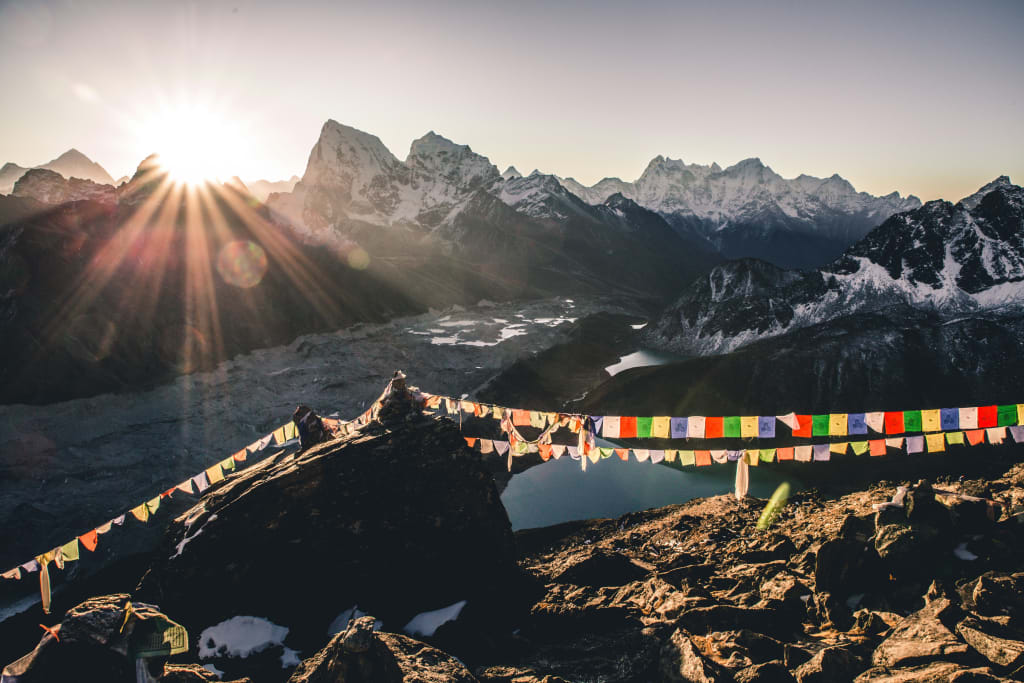
For those looking to experience the grandeur of the Everest region without the crowds of Everest Base Camp, the Gokyo Ri trek is a stunning alternative. Offering majestic views of the world’s tallest peaks, a chain of turquoise glacial lakes, and the iconic panorama from Gokyo Ri itself, this route has gained popularity among trekkers seeking a more peaceful but equally breathtaking Himalayan adventure.
This 2025 guide will walk you through the route details, trekking costs, and essential altitude tips to help you plan a safe and unforgettable journey to Gokyo Ri.
What is Gokyo Ri?
Gokyo Ri is a viewpoint located at 5,357 meters (17,575 feet) above sea level, just above the village of Gokyo in the Everest region of Nepal. From its summit, you can witness a panoramic view of four of the six highest peaks in the world—Everest, Lhotse, Makalu, and Cho Oyu—as well as the massive Ngozumpa Glacier, the largest glacier in the Himalayas.
What makes Gokyo Ri particularly special is that you can experience all of this without following the main Everest Base Camp route. It is a quieter, more reflective trek that offers both natural and cultural highlights.
Trekking Route Overview
The standard Gokyo Ri trek typically takes around 10 to 14 days, depending on your starting point and acclimatization schedule. Most trekkers follow a version of this itinerary:
Day 1: Fly from Kathmandu or Ramechhap to Lukla (2,840m), then trek to Phakding (2,610m)
Day 2: Trek to Namche Bazaar (3,440m)
Day 3: Acclimatization day at Namche (hike to Everest View Hotel or Khumjung)
Day 4: Trek to Dole (4,200m)
Day 5: Trek to Machhermo (4,470m)
Day 6: Trek to Gokyo (4,790m)
Day 7: Climb Gokyo Ri (5,357m) and explore the lakes
Day 8–10: Return via the same route or continue to the Renjo La Pass (5,360m) for a circular trek back to Namche
Optional Routes
If you’re feeling adventurous and well-acclimatized, you can extend your journey by adding the Renjo La Pass, which connects Gokyo to the Thame Valley. This makes for a spectacular loop and avoids retracing your steps. You can also combine Gokyo with the Everest Three Passes Trek, though that demands more time and physical preparation.
Cost Breakdown
Trekking in the Everest region can be tailored to different budgets, but here is a realistic breakdown for a mid-range trek in 2025:
Permits
• Sagarmatha National Park Entry Permit: NPR 3,000 (approx. USD 25)
• Khumbu Rural Municipality Permit: NPR 2,000 (approx. USD 15)
Flights
• Kathmandu to Lukla round-trip: USD 350–450
(If flying from Ramechhap, transport to the airport will cost an additional USD 20–30)
Guide and Porter
• Guide: USD 30–40 per day
• Porter: USD 20–30 per day
(Expect to pay for their meals, lodging, and insurance if hiring independently)
Accommodation and Food
• Teahouse rooms: USD 5–10 per night
• Meals: USD 20–30 per day (cheaper at lower altitudes, pricier at higher elevations)
Total Estimated Cost for 12 Days
Approximately USD 800–1200, depending on whether you go with an agency, hire your own crew, or trek independently (where allowed)
Altitude Tips and Acclimatization
One of the biggest challenges of the Gokyo Ri trek is the altitude. Gokyo itself is nearly 4,800 meters above sea level, and the climb to Gokyo Ri adds another 500 meters in elevation. Proper acclimatization is key to preventing Acute Mountain Sickness (AMS).
Here are some important tips:
1. Follow the rule of climb high, sleep low: Take short acclimatization hikes after arriving at high-altitude villages.
2. Take it slow: Gain altitude gradually. The trek is not a race.
3. Hydrate well: Drink at least three to four liters of water per day.
4. Consider an extra acclimatization day in Machhermo or Gokyo before attempting Gokyo Ri.
5. Watch for AMS symptoms: Headache, nausea, dizziness, and loss of appetite are warning signs. If they worsen, descend immediately.
When to Trek
The best times to trek Gokyo Ri are during the pre-monsoon season (March to May) and the post-monsoon season (late September to November). These periods offer the clearest skies and the most stable weather. Winter trekking is possible but extremely cold. The lakes are frozen and trails can be covered in snow. Monsoon season (June to August) is not ideal due to heavy rainfall and poor visibility.
Final Thoughts
Gokyo Ri offers one of the most iconic Himalayan views with far fewer crowds than the Everest Base Camp trail. Whether you’re drawn to the glacial lakes, the peaceful villages, or the panoramic summit views, this trek rewards you at every step. With proper planning, a reasonable budget, and respect for the altitude, the Gokyo Ri trek can easily be one of the most memorable journeys you take in Nepal.
If you’re looking for a quieter trail, meaningful interactions with local Sherpa culture, and some of the most expansive views in the Himalayas, Gokyo Ri might just be the perfect destination for your 2025 trekking adventure.
About the Creator
Enjoyed the story? Support the Creator.
Subscribe for free to receive all their stories in your feed.
Comments
There are no comments for this story
Be the first to respond and start the conversation.