


Brown Long-Eared Bats
These European bats tuck their long ears under their wings when the sleep. They prefer quiet woodlands, old barns, and abandoned buildings to safely roost away from predators. Brown long-eared bats use low-frequency echolocation and passive listening to find their prey, moths, beetles, and small flying insects.
Desert Long-Eared Bats
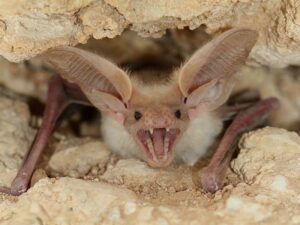
These bats make their homes in North Africa and the Middle East. They seek shelter in crevices or under rocks to avoid the scorching sun during the day and emerge at night. The bats have large, rounded ears and exceptional hearing. Desert long-eared bats dine on scorpions, beetles, and desert insects.
Ghost Bats
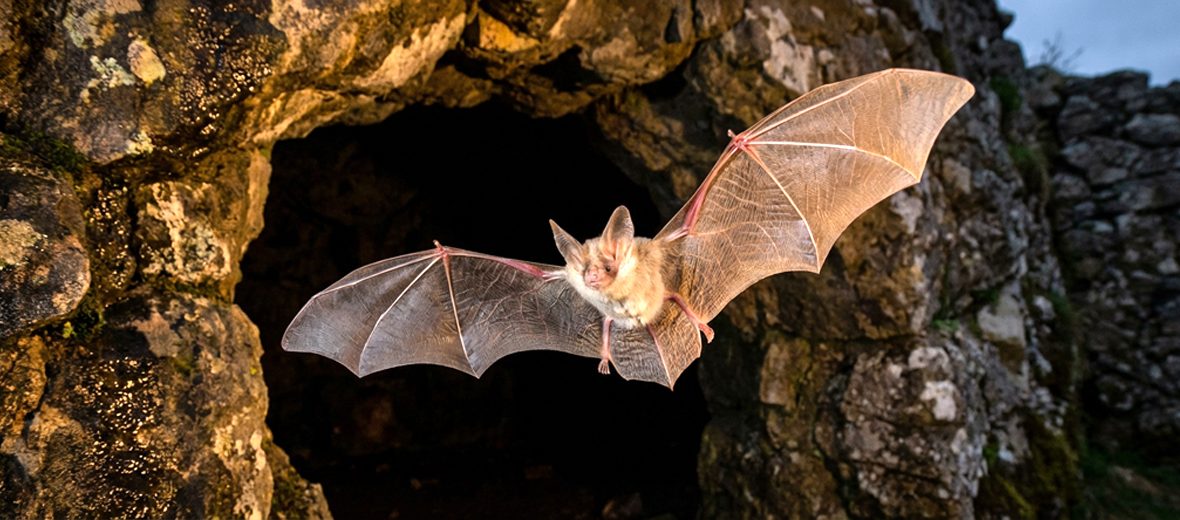
Found across northern Australia, ghost bats have pale, silver-gray fur. They are among the few carnivorous bat species in the world. They dine on small animals like frogs, rodents, and even smaller bats. These bats have exceptional hearing, and to locate prey, they rely on echolocation with their large ears capturing even the faintest of sounds. This species prefers caves, abandoned mines, and rocky outcrops for roosting, often alone or in small groups.
Honduran White Bats
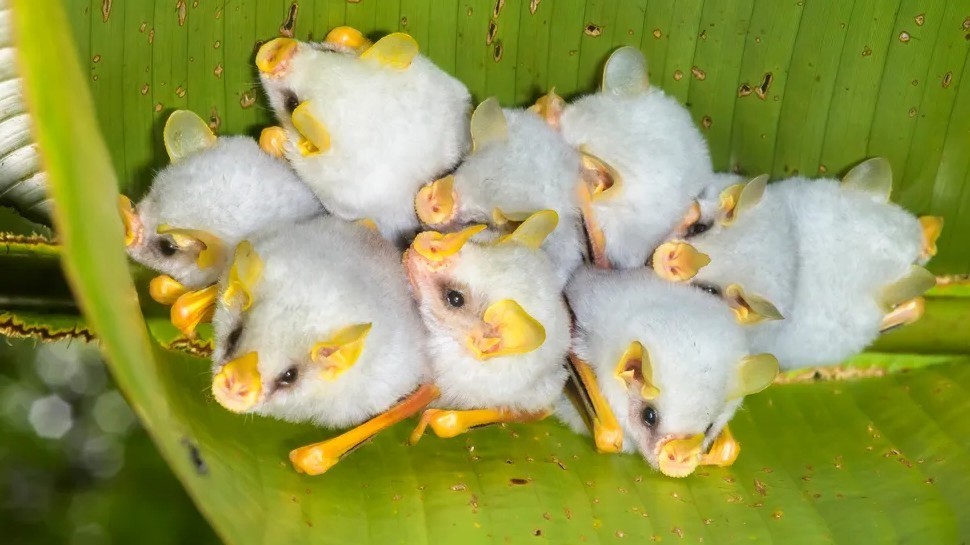
These bats come from Central America and are adapted to the humid tropical environment. They find both home and protection among the broad heliconia leaves. These flowering plants are found in the tropical forests of these regions. Using their creative nesting habits, these bats create leafy tents that provide them with shade and shelter during the day. Female bats form small social groups of up to six individuals who huddle closely together beneath these shelters. The Honduran white bat's pale fur coloration helps reflect sunlight to keep it cooler in the tropical heat. They primarily feed on fruits, with a strong preference for figs, particularly from the Ficus genus. They are frugivores and may also consume other fruits like bananas and guavas, which provide essential nutrients for their active lifestyle.
Indian Flying Foxes
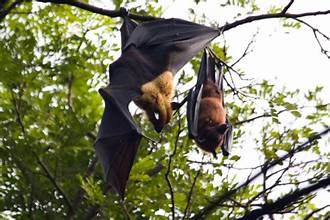
These large bats live on the Indian subcontinent and have a foxlike face and golden-brown fur. They live near rivers and inhabit temples and city parks. Each morning, hundreds can be seen hanging together in sprawling roosts, grooming each other, and communicating through soft vocalizations. Indian flying foxes dine on fruit, nectar, and occasionally flowers. During flight, their large wings move gracefully through the sky, resembling gliding foxes at dusk. These bats are key pollinators and seed dispensers, helping to sustain tropical forests and fruit crops across the region.
Kitty's Hog-Nosed Bats
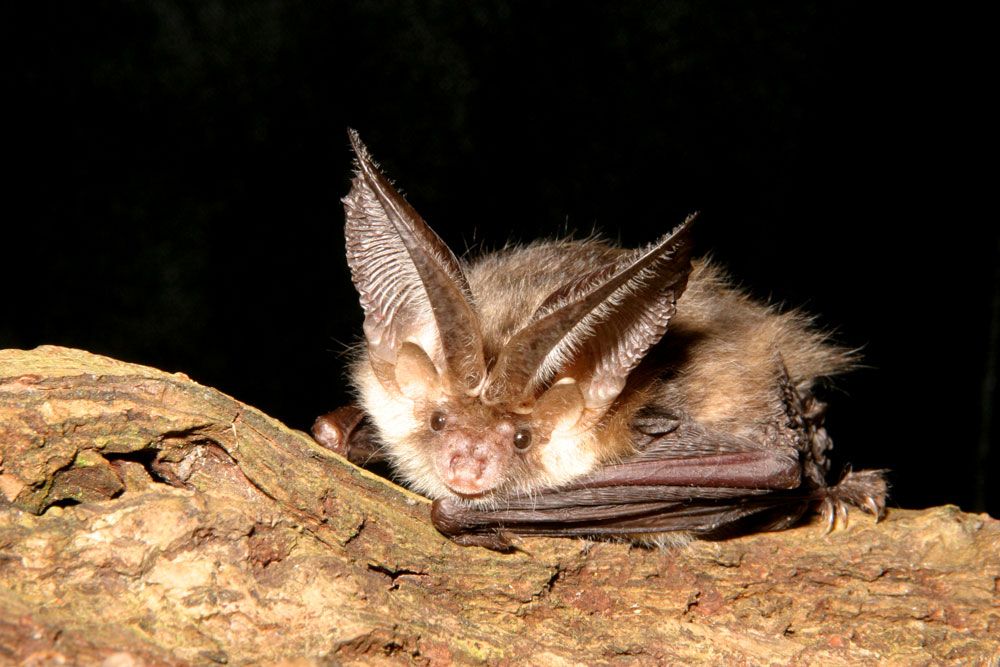
These bats live in Thailand and Myanmar and are the smallest mammals weighing less than a penny. Kitty’s hog-nosed bats have round, pig-like noses and tiny eyes. They inhabit limestone caves along riverbanks and prefers dark, humid habitats that support abundant insect life. Despite their miniature size, they exhibit remarkable agility, hovering in place and darting with precision as they hunt. Colonies usually consist of fewer than 100 individuals, often roosting close together for warmth and safety. Feeding primarily on mosquitoes and small flies, these bats play an important role in controlling insect populations near their cave habitats.
Peter’s Dwarf Epauletted Fruit Bats
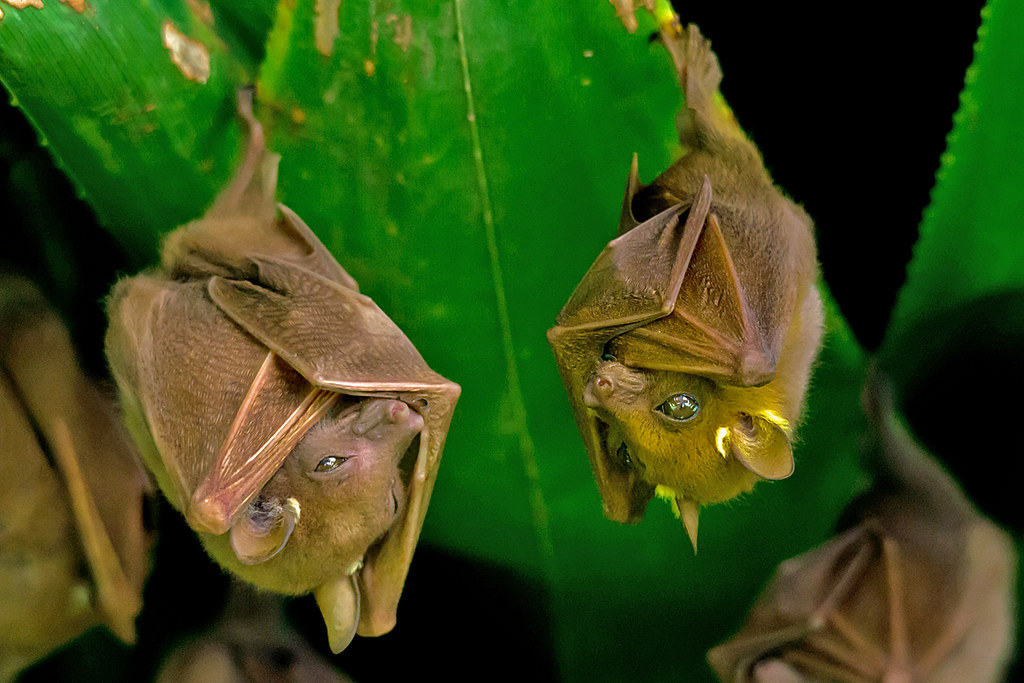
These bats make their homes in sub-Saharan Africa, living in forests, savannas, and even suburban gardens where fruit and nectar are abundant. Peter’s Dwarf Epauletted Fruit Bats have soft facial features, expressive eyes, and delicate fur. The male bats have distinctive white tufts of fur on their shoulders, known as epaulettes, that they puff up to impress potential mates. These bats dine on fruit, nectar, and occasionally pollen. The bats hang around quietly during the day, often in pairs or small groups. They represent a key link between plant health and animal diversity in African ecosystems.
Spectacled Flying Foxes
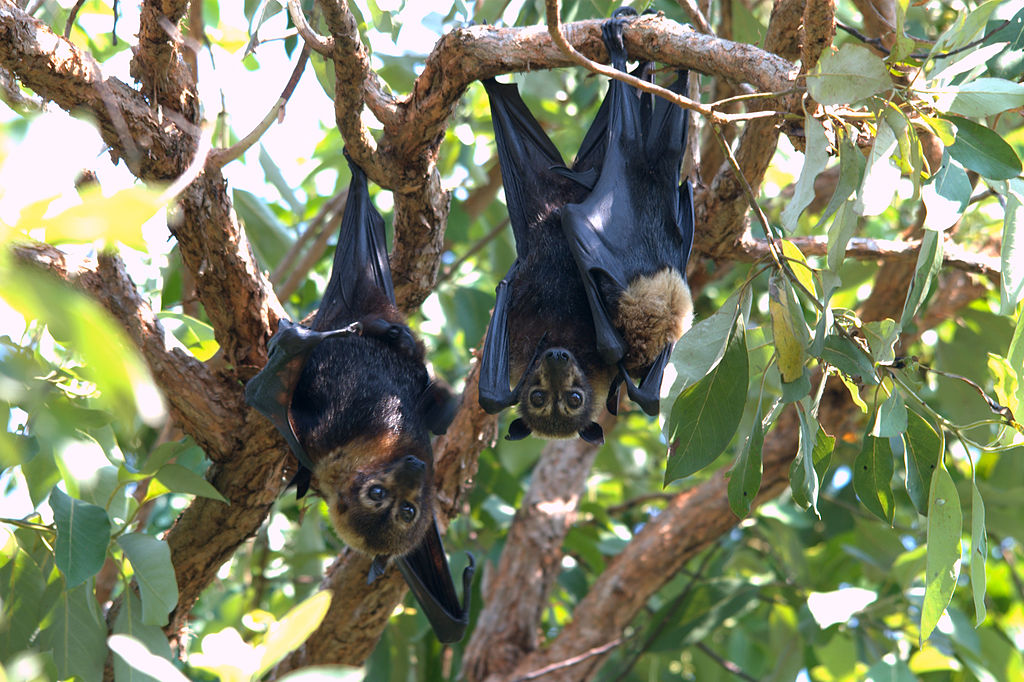
These are among the largest bat species in the world and get their name because of the pale rings around their eyes, making it look like they are wearing tiny spectacles. They live in northern Australia in the rainforests, in colonies numbering in the thousands. During daylight hours, colonies create an impressive sight as clusters of furry bodies sway in the wind. Spectacled flying foxes dine on nectar, pollen, and fruit. Their nightly feeding habits help spread seeds and fertilize trees across wide areas, strengthening rainforest ecosystems.
Spotted Bats
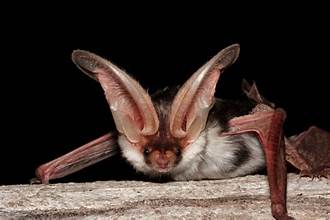
Living in Western North America, spotted bats have a distinct black-and-white fur pattern with enormous pink ears. These bats inhabit rugged canyons, cliffs, and desert edges across western North America, typically choosing remote, undisturbed areas. Their diet consists of moths, beetles, and other flying insects. Spotted bars can detect the faintest sound of an insect fluttering its wings and rely on their acute sense of hearing to get food.
Wrinkled-Faced Bats
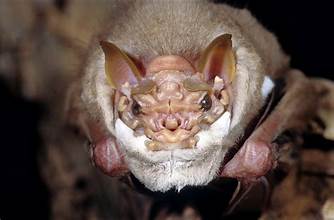
Wrinkled-faced bats live in Central and South America and have wrinkled facial folds and a strong bite for fruit. Wrinkles assist in scent marking and sound control, and they dine on hard fruits and tropical berries. They inhabit tropical and subtropical forests.
About the Creator
Rasma Raisters
My passions are writing and creating poetry. I write for several sites online and have four themed blogs on Wordpress. Please follow me on Twitter.
Enjoyed the story? Support the Creator.
Subscribe for free to receive all their stories in your feed. You could also become a paid subscriber, letting them know you appreciate their work.
Comments
There are no comments for this story
Be the first to respond and start the conversation.