
Global Warming
A Looming Threat and the Path to Mitigation
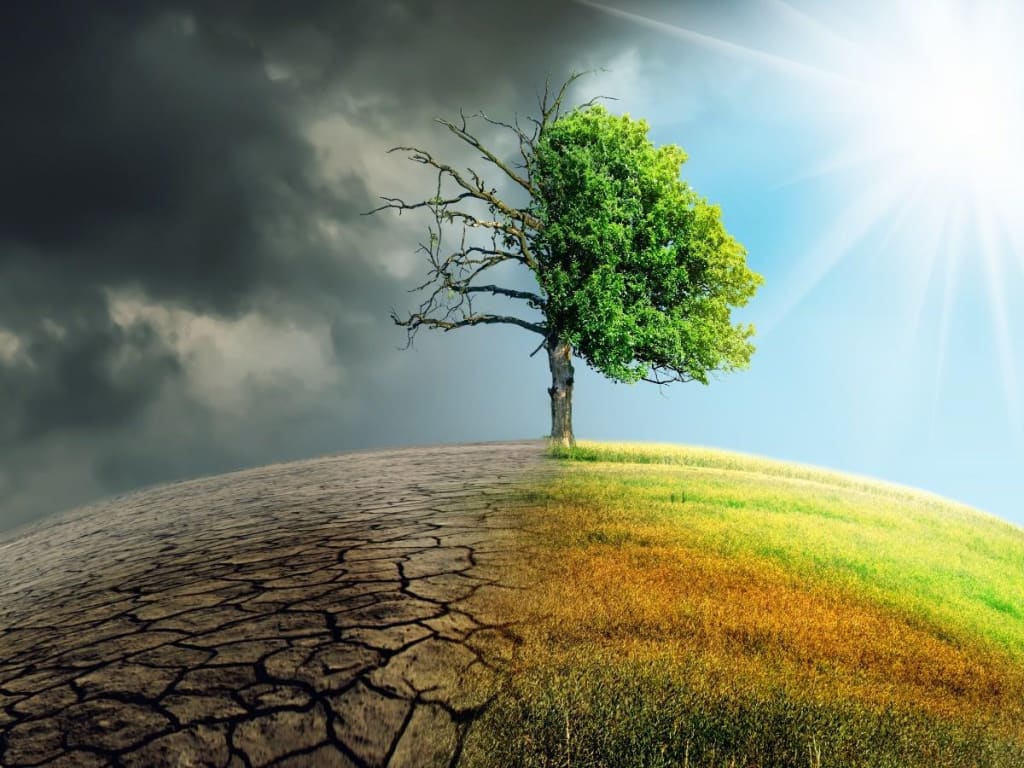
Introduction:
Global warming, a phenomenon driven by human activities, poses a significant threat to our planet and its ecosystems. It refers to the long-term increase in Earth's average temperature due to the accumulation of greenhouse gases in the atmosphere. As we continue to release vast amounts of carbon dioxide and other greenhouse gases into the air, the consequences of global warming become increasingly evident. Understanding its implications and implementing effective measures to combat it are crucial for the well-being of our planet and future generations.
Understanding Global Warming:
Global warming is primarily caused by the enhanced greenhouse effect. Human activities, such as burning fossil fuels for energy, industrial processes, deforestation, and agricultural practices, release large amounts of greenhouse gases, particularly carbon dioxide (CO2), into the atmosphere. These gases trap heat from the sun, preventing it from escaping back into space, thus leading to a gradual rise in global temperatures.
Disadvantages of Global Warming:
1. Climate Change: Rising temperatures disrupt weather patterns and contribute to more frequent and severe extreme weather events, including heatwaves, hurricanes, droughts, and floods. These events can have devastating consequences on ecosystems, human health, and infrastructure.
2. Melting Ice Caps and Rising Sea Levels: Global warming accelerates the melting of glaciers and ice caps, leading to rising sea levels. This threatens coastal regions and low-lying areas, endangering ecosystems, communities, and vital infrastructure.
3. Biodiversity Loss: Shifting climatic conditions disrupt habitats and threaten the survival of numerous plant and animal species. Ecosystems face challenges in adapting to the rapid changes, leading to biodiversity loss and imbalances in ecological systems.
4. Negative Impacts on Human Health: Global warming contributes to the spread of infectious diseases, affects air quality, and increases the risk of heat-related illnesses and deaths. Vulnerable populations, such as the elderly and the poor, are particularly at risk.
Addressing Global Warming:
1. Transition to Clean and Renewable Energy: Shifting away from fossil fuels towards renewable energy sources like solar, wind, and hydroelectric power is crucial. Governments, businesses, and individuals should invest in renewable energy technologies and promote energy efficiency to reduce greenhouse gas emissions.
2. Energy Conservation and Efficiency: Reducing energy consumption through energy-efficient practices and technologies can significantly contribute to mitigating global warming. This includes adopting energy-saving habits, using energy-efficient appliances, and improving the insulation of buildings.
3. Reforestation and Forest Conservation: Protecting existing forests and undertaking large-scale reforestation efforts can help capture and store carbon dioxide. Trees act as natural carbon sinks, absorbing CO2 from the atmosphere through photosynthesis.
4. Sustainable Agriculture and Land Use: Implementing sustainable farming practices, such as precision agriculture and organic farming, can reduce emissions from agricultural activities. Additionally, responsible land use management can help preserve ecosystems and prevent deforestation.
5. International Cooperation and Policy Changes: Governments and international bodies need to collaborate to develop and enforce policies that prioritize climate action. This includes implementing carbon pricing mechanisms, promoting sustainable transportation, and supporting research and development of clean technologies.
Conclusion:
Global warming presents a pressing challenge for humanity, affecting ecosystems, economies, and our collective well-being. By understanding the causes and consequences of global warming and taking proactive measures to reduce greenhouse gas emissions, we can work towards a sustainable and resilient future. It is our collective responsibility to act swiftly and decisively to mitigate global warming and protect the planet for generations to come.
The urgency to address global warming has never been greater. We stand at a critical juncture where our actions today will shape the future of our planet. By recognizing the disadvantages of global warming, understanding its causes, and embracing the solutions available to us, we have the power to make a positive impact.
The time for transition is now. We must shift to cleaner and renewable sources of energy, prioritize energy efficiency, and conserve our precious resources. Reforestation and sustainable agriculture practices offer us the opportunity to restore and protect vital ecosystems. International cooperation and policy changes are essential to driving meaningful progress on a global scale.
Together, we have the capacity to create a sustainable future. Let us take collective responsibility for the health of our planet, making informed choices in our daily lives, supporting environmentally conscious policies, and inspiring others to join this global movement.
It is our shared duty to safeguard the Earth for present and future generations, ensuring a world that thrives with vibrant ecosystems, stable climate patterns, and a sustainable balance between nature and human activities. Let us act decisively and forge a path towards a more resilient and prosperous future.
About the Creator
Enjoyed the story? Support the Creator.
Subscribe for free to receive all their stories in your feed.
Comments
There are no comments for this story
Be the first to respond and start the conversation.