
Frozen Memories, Warming World
How a Melting World Changed One Girl’s Life
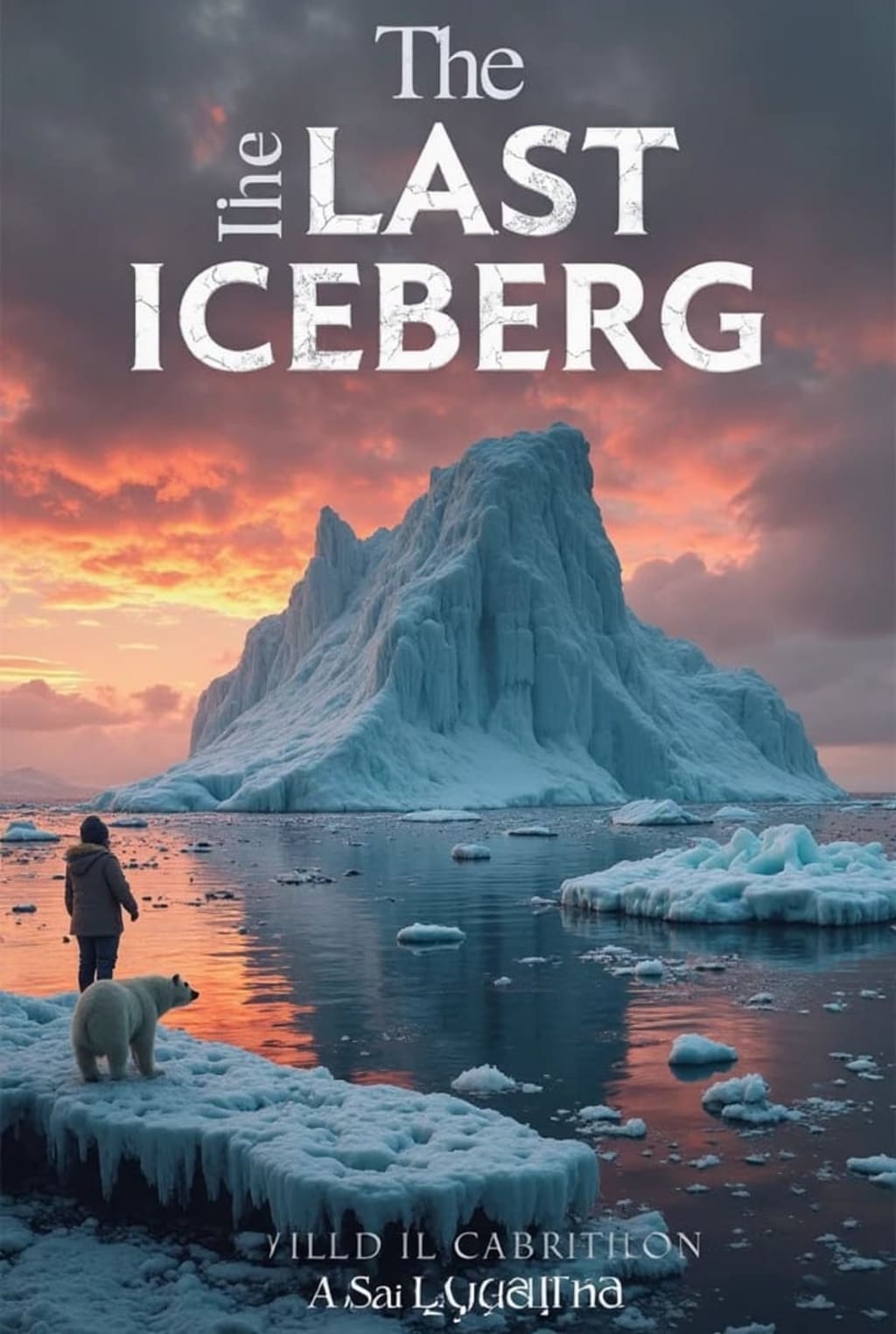
A Village’s Farewell to Winter
In the Arctic village of Nuvik, winter had always been a promise. A promise of silence, of snow-covered roofs, of children skating beneath dancing green skies. The people of Nuvik were keepers of the cold. They celebrated it every year with the Ice Festival, a tradition older than memory itself.
Aana had waited her whole life to be old enough to carve an ice sculpture for the festival. Now twelve, she stood beside her grandfather, a master carver, watching his practiced hands bring a bear’s face to life from a block of crystal-clear ice.
“This year,” he said, “the ice is thinner. Softer.”
Aana noticed it too. The bay hadn’t frozen until mid-January. Even then, there were warnings. Scientists had come with gadgets and graphs. “The Arctic is warming four times faster than the rest of the planet,” they said. The villagers listened politely, but it was the ice they trusted. And the ice was speaking now, in cracks and slush.
For generations, the Ice Festival had been held on the frozen bay. There, children raced sled dogs, elders told stories by firelight, and sculptors crafted entire forests of frozen animals. Each sculpture told a story—of survival, harmony, and respect for nature.
But this year, for the first time, the elders called a meeting.
“The ice is unstable,” said Elder Sila. “This may be our last Ice Festival.”
Gasps and murmurs rippled through the village hall. Aana's heart dropped. Last? She had only just begun.
That night, Aana lay in bed listening to the creaks of her family's wooden cabin. She imagined the bay melting completely. No more skating. No more stories on snow. She thought of her mother, who had danced at the festival with long braids flying in the wind. That memory now felt like a fairy tale.
Determined to honor the tradition, the villagers worked harder than ever. They moved the festival to the highest point near the bay, where the ground was coldest. The sculptors carved day and night, racing against time and sun. Aana, with help from her grandfather, shaped a small fox curled into sleep. “Foxes adapt,” he told her. “So must we.”
When the day of the festival arrived, the village shimmered under the pale winter sun. Candlelight flickered through snow lanterns. Children, bundled in bright reds and blues, laughed as they chased each other across the frost-covered field.
Aana’s sculpture sat beside the centerpiece: a towering polar bear, carved by the elders. Its paws held a fish, and its eyes stared out over the bay—watching, waiting.
That night, the aurora came. Faint at first, then brighter—green, violet, silver—ribbons of light across a star-choked sky. The villagers gathered around the bear. Elder Sila stepped forward.
“This festival began long ago, when the ice was strong and our winters were endless. But the world is changing. Not because of us alone, but we feel it first. This may be the last time we stand here like this. But we do not gather to mourn. We gather to remember. And to promise.”
The villagers lit candles, placing them around the polar bear. One by one, flames flickered to life, like stars falling to earth. Aana held her candle tightly. She thought of her fox, of the ice, of everything they were trying not to lose.
In silence, the village stood under the northern lights, their faces glowing with candlelight and memory.
Three days later, the bear began to melt.
First its paws, then its snout. By the end of the week, only a puddle remained. The bay, too, had begun to thaw. The ice groaned and cracked, and signs went up: “Unsafe to cross.”
Years passed. The Ice Festival did not return.
Aana grew. She left Nuvik to study climate science, driven by the memory of melting ice and her grandfather’s steady hands. She traveled to cities where winter was more idea than season, where people still argued about warming while the Arctic slipped into the sea.
She gave talks in universities, spoke at climate summits, shared the story of Nuvik and the festival that once lit the ice. She showed pictures of the polar bear sculpture, of the auroras, of the children skating in snowlight. She carried the fox sculpture’s photo in her wallet.
Some people listened. Others didn’t. But Aana kept speaking.
One summer, she returned to Nuvik. The village was smaller now. Many had moved away. The bay no longer froze fully, even in the heart of winter. But the people who remained still told stories.
Children now gathered indoors, painting pictures of animals instead of carving them. Aana joined them, teaching them about the world beyond the snow—the sea levels, the carbon, the burning forests. But she also told them stories. Of the last Ice Festival. Of the bear and the fox. Of the lights in the sky.
One child, no older than she had been at the festival, raised a hand.
“Will the ice ever come back?”
Aana didn’t lie.
“Not like before. But maybe... if we change fast enough, we can protect what’s left. And you,” she added, “can build something new.”
That night, she stood alone on the edge of the bay. The stars above were the same, but the air was warmer. She imagined the bear still watching. The fox still curled up. The village still glowing with candles.
The memories were frozen, yes—but the world was warming.
And so she lit a single candle. For the past.
And for what could still be saved.
About the Creator
Enjoyed the story? Support the Creator.
Subscribe for free to receive all their stories in your feed.
Comments
There are no comments for this story
Be the first to respond and start the conversation.