
From Lukla to Base Camp: Every Step Worth the Struggle
Whether you’re an experienced trekker or a determined first-timer, every step from Lukla to Base Camp tells a story—and each one is worth the struggle. Here’s your guide to making the most of this legendary Himalayan trail.

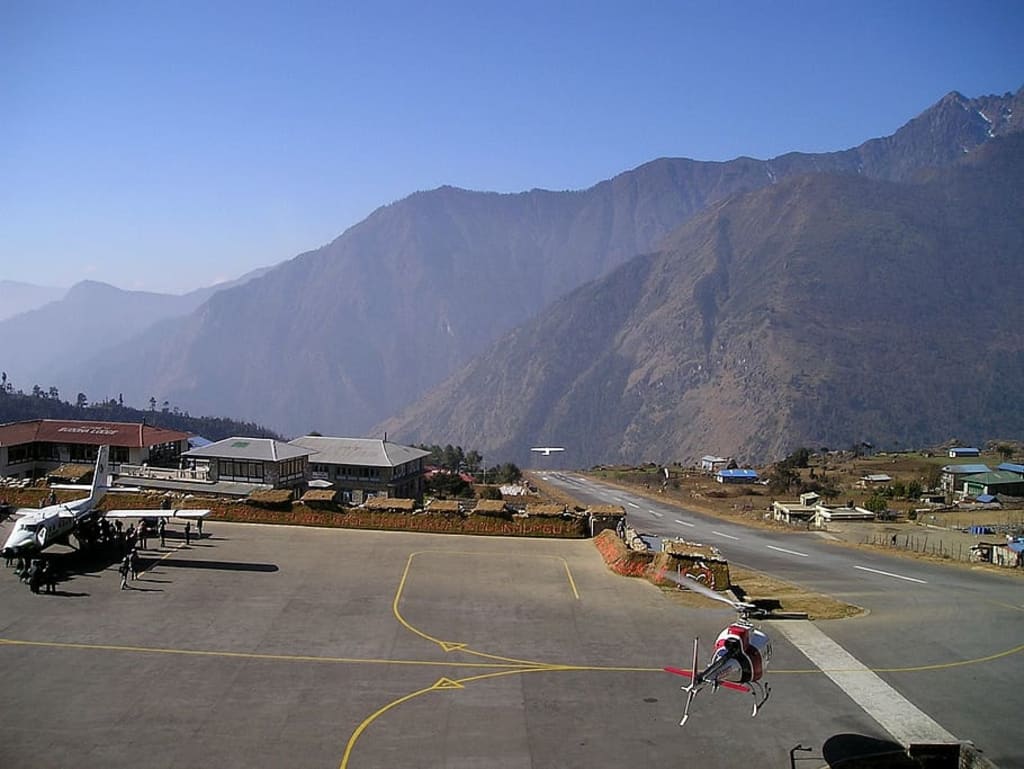
The trek from Lukla to Everest Base Camp (EBC) is one of the most iconic adventures on Earth. Known for its challenging terrain, breathtaking scenery, and deep cultural significance, this journey offers more than just mountain views. It’s a personal test of endurance, a walk-through living history, and a chance to connect with the heart of the Himalayas.
Why Start from Lukla?
Lukla is the traditional gateway to the Everest region, accessed via a short, thrilling flight from Kathmandu to one of the world’s most dramatic airstrips. From here, the trail winds through lush valleys, alpine forests, glacial rivers, and high-altitude villages.
The journey from Lukla to EBC is not just a physical trek—it’s a cultural and spiritual one. Along the way, trekkers encounter Sherpa communities, ancient monasteries, and prayer wheels spinning in the mountain wind.
Trek Overview
• Starting Point: Lukla (2,860 meters)
• Ending Point: Everest Base Camp (5,364 meters)
• Total Duration: 12–14 days round trip (including acclimatization)
• Difficulty: Moderate to Challenging
• Accommodation: Teahouses and lodges
Major Stops Along the Way
1. Phakding – The first stop after Lukla, an easy descent.
2. Namche Bazaar – The Sherpa capital and a key acclimatization stop.
3. Tengboche – Famous for its monastery and mountain views.
4. Dingboche – A beautiful village with rest and acclimatization options.
5. Lobuche – A stark, high-altitude landscape.
6. Gorak Shep – Final stop before reaching Base Camp.
7. Everest Base Camp – The rewarding end of the trail.
Every Step Is a Test—and a Reward
As you ascend, oxygen levels drop, making each step more strenuous. But the struggle is matched by the scenery—towering peaks like Ama Dablam, Lhotse, and Everest dominate the skyline. Sherpa hospitality, resilient yaks, and fluttering prayer flags add to the trail’s magic.
Each morning brings a new challenge: steep ascents, cold winds, and rocky paths. But it also brings awe-inspiring beauty: sunrise over snow-capped summits, quiet valleys, and serene high-altitude villages. The trek is as much about internal growth as it is about reaching a physical destination.
Tips for Success
1. Acclimatize properly – Stay two nights in Namche and one in Dingboche.
2. Stay hydrated – Drink at least 3 liters of water a day.
3. Go slow – Listen to your body and don't rush.
4. Pack wisely – Focus on layers, quality boots, and essentials only.
5. Train beforehand – Cardio, stamina, and practice hikes are key.
6. Hire a guide or porter – Especially for first-timers, local support is invaluable.
Health and Safety
Altitude sickness is the biggest concern. Watch for symptoms like headaches, nausea, dizziness, and shortness of breath. If these occur, descend immediately. Carry altitude medication and consult your guide regularly.
Travel insurance that covers high-altitude trekking and emergency evacuation is essential. Also, make sure you have proper permits: the Sagarmatha National Park Permit and a Khumbu Pasang Lhamu Rural Municipality Permit.
Cultural Considerations
Respect local customs by dressing modestly, greeting with “Namaste,” and walking clockwise around religious monuments. The Sherpa culture is warm and welcoming, and taking time to learn a few Nepali phrases or Sherpa greetings goes a long way.
Teahouse Life
Teahouses provide simple but comfortable lodging with shared rooms, local food like dal bhat, and warm stoves in the dining area. Wi-Fi is limited, and hot showers may cost extra. Still, these mountain lodges become a second home for many trekkers.
When to Go
• Spring (March to May): Rhododendrons bloom and skies are clear.
• Autumn (September to November): Best weather and visibility.
Avoid monsoon season (June to August) due to slippery trails and winter (December to February) unless well-prepared for snow and cold.
Reaching Base Camp and Beyond
The final stretch from Gorak Shep to Everest Base Camp is tough but memorable. Standing at the base of the world’s tallest mountain is an emotional experience. For an even more breathtaking view, hike to Kala Patthar early the next morning for a sunrise panorama of Everest.
Final Thoughts
From Lukla to Everest Base Camp, every step is a journey through natural wonder, cultural richness, and personal growth. It may be tough, but it’s transformative. Every blister, breathless moment, and mile walked is part of a story you’ll carry for life.
For those willing to face the challenge, the rewards are immense. Because on this trail, every step is truly worth the struggle.
About the Creator
Enjoyed the story? Support the Creator.
Subscribe for free to receive all their stories in your feed.
Comments
There are no comments for this story
Be the first to respond and start the conversation.