
Faith-Based Volunteerism: Does Global Outreach Spark Local Change?
Discover how faith-based volunteerism connects global outreach with local change. Learn how collaboration, service, and community engagement drive lasting impact.

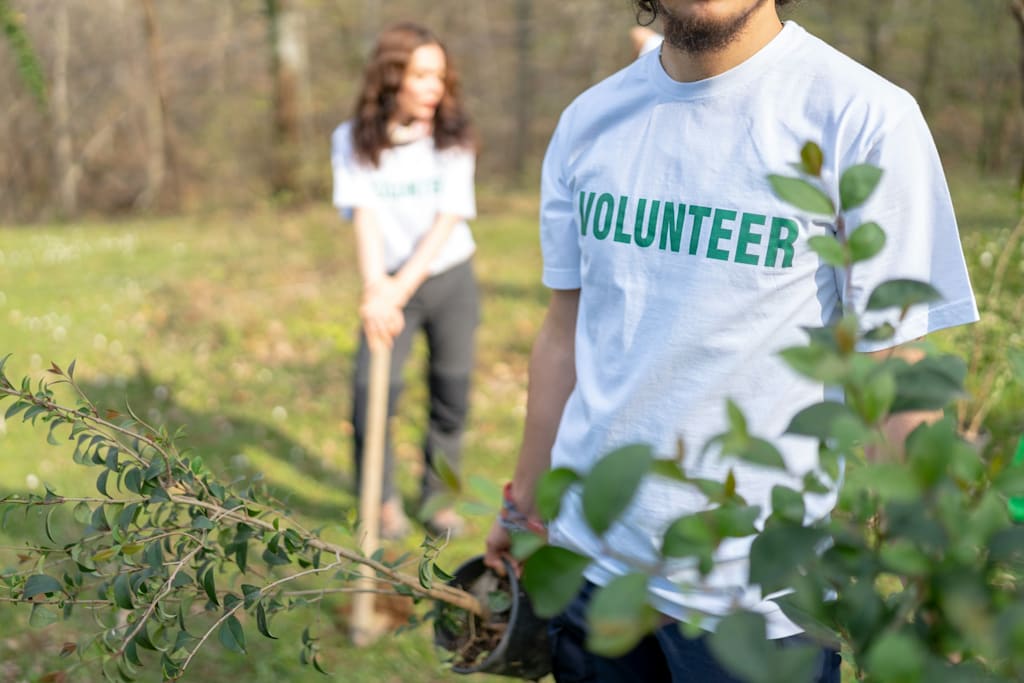
What exactly is faith-based volunteerism, and why does it seem to have such a wide-reaching impact? At its simplest, it involves individuals and organizations serving others based on spiritual values like compassion, service, and stewardship. But is there more beneath the surface?
Many faith-driven initiatives operate on both global and local levels. This raises an interesting question: how does global outreach connect with the everyday realities of local communities? Is it simply about sending help across borders, or does it involve a deeper exchange of ideas, culture, and purpose?
Faith-based volunteerism often brings together people from different regions, backgrounds, and experiences. Could this diversity be one of the reasons it is so effective? When volunteers step into unfamiliar environments, they not only provide support but also gain new perspectives. This two-way learning process makes outreach both impactful and educational.
It’s easy to assume that global outreach focuses mainly on large-scale efforts. But how does it actually lead to local change through faith-based volunteer programs?
One possibility is that global initiatives are designed with local needs in mind. Volunteers often work directly within communities, addressing specific challenges such as education gaps, food insecurity, or healthcare access. But here’s something to think about: are these solutions more effective because they are global, or because they are tailored locally?
Another factor is community involvement. Many faith-based programs collaborate with local leaders and residents. Does this partnership ensure that solutions are more relevant and sustainable? It seems likely, as local insight helps guide meaningful action.
There’s also the relational aspect. Volunteers frequently build connections with the people they serve. Could these relationships be just as important as the services provided? Strong relationships often lead to trust, and trust can significantly enhance the success of any initiative.
If faith-based volunteerism is effective, what role does collaboration play in that success? Is it simply about sharing resources, or is there something deeper involved in faith-based outreach collaboration?
When multiple organizations work together, they combine strengths—funding, expertise, and networks. But here’s a curious point: does collaboration create better results because of increased resources, or because it encourages new ways of thinking?
Different perspectives often lead to innovative solutions. For example, a partnership between a church and a healthcare provider might result in more comprehensive community services. Could this blending of expertise be the key to addressing complex challenges?
Communication also becomes essential in collaborative efforts. Without clear communication, even the best partnerships can struggle. So, does effective communication act as the foundation that holds these partnerships together?
Despite its many advantages, faith-based volunteerism in action is not without challenges. What factors might prevent it from reaching its full potential?
Resource limitations are one concern. Many programs rely on donations and volunteers, which can fluctuate. But does the issue lie in the lack of resources, or in how they are managed?
Cultural sensitivity is another important consideration. Volunteers often work in communities different from their own. Could misunderstandings arise if cultural differences are not fully respected? This highlights the importance of preparation and awareness.
Coordination is also a challenge, especially in large-scale outreach efforts. With multiple partners involved, roles and responsibilities must be clearly defined. Could stronger planning and organization improve outcomes?
And what about long-term commitment? Many volunteers participate in short-term projects. Does this limit the sustainability of their impact, or can short-term efforts still contribute to long-term change?
The most important question may be this: can faith-based volunteerism for community development truly create lasting impact?
One approach is empowerment. Many programs aim to equip individuals with skills and knowledge. But does empowerment alone guarantee sustainability, or are ongoing support systems also necessary?
Local leadership development is another factor. When community members take ownership of initiatives, programs are more likely to continue. Could this shift from external support to internal leadership be the key to long-term success?
There’s also the role of evaluation. By measuring outcomes, organizations can improve their strategies. But how often do programs adapt based on what they learn?
Faith-based volunteerism appears to connect global efforts with local realities in a unique way. It blends service, collaboration, and purpose into a single approach.
So, is the real impact of faith-based volunteerism found in the services it provides—or in the connections and understanding it creates along the way?
About the Creator
World Olivet Assembly
World Olivet Assembly is a global evangelical network in 170+ nations, dedicated to missions, discipleship, leadership training, education, and humanitarian outreach.
Portfolio Websites: https://worldolivet.org
Enjoyed the story? Support the Creator.
Subscribe for free to receive all their stories in your feed.
Comments
There are no comments for this story
Be the first to respond and start the conversation.