
Facts that we don't know about Insects
Let's get to know about the facts.
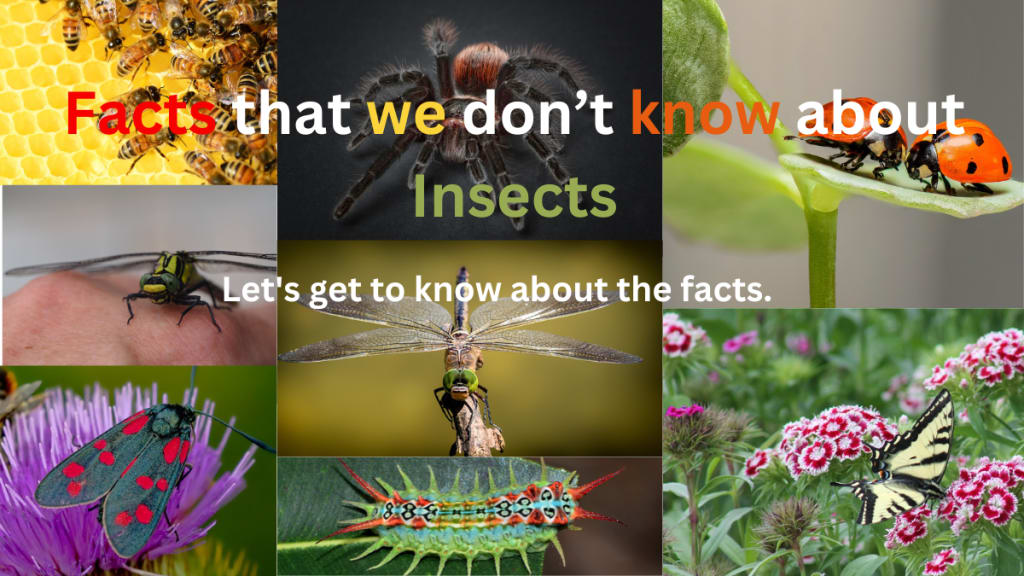
In the quiet comfort of your home, nestled under a warm blanket with a cup of tea in hand, an unexpected visitor arrives - a colossal mosquito with gangly legs that seem to span the length of your palm. Despite its imposing appearance, this creature is surprisingly harmless. This is just one of the many intriguing stories about insects that we'll explore in this article.
The Enigmatic Crane Fly
Often mistaken for giant mosquitoes, crane flies possess delicate bodies and an awkward flight pattern. Surprisingly, many of these creatures don't even have functioning mouths. For those that do, they prefer sweet floral nectar to a blood feast. Especially female mosquitoes are those which are drinking human bloods and male mosquitoes don't they feed by plant nectar. Their presence above a water pool can even serve as an indicator of water quality, a valuable piece of information for swimmers and fishermen alike. And be careful there will be dengue mosquitoes too.
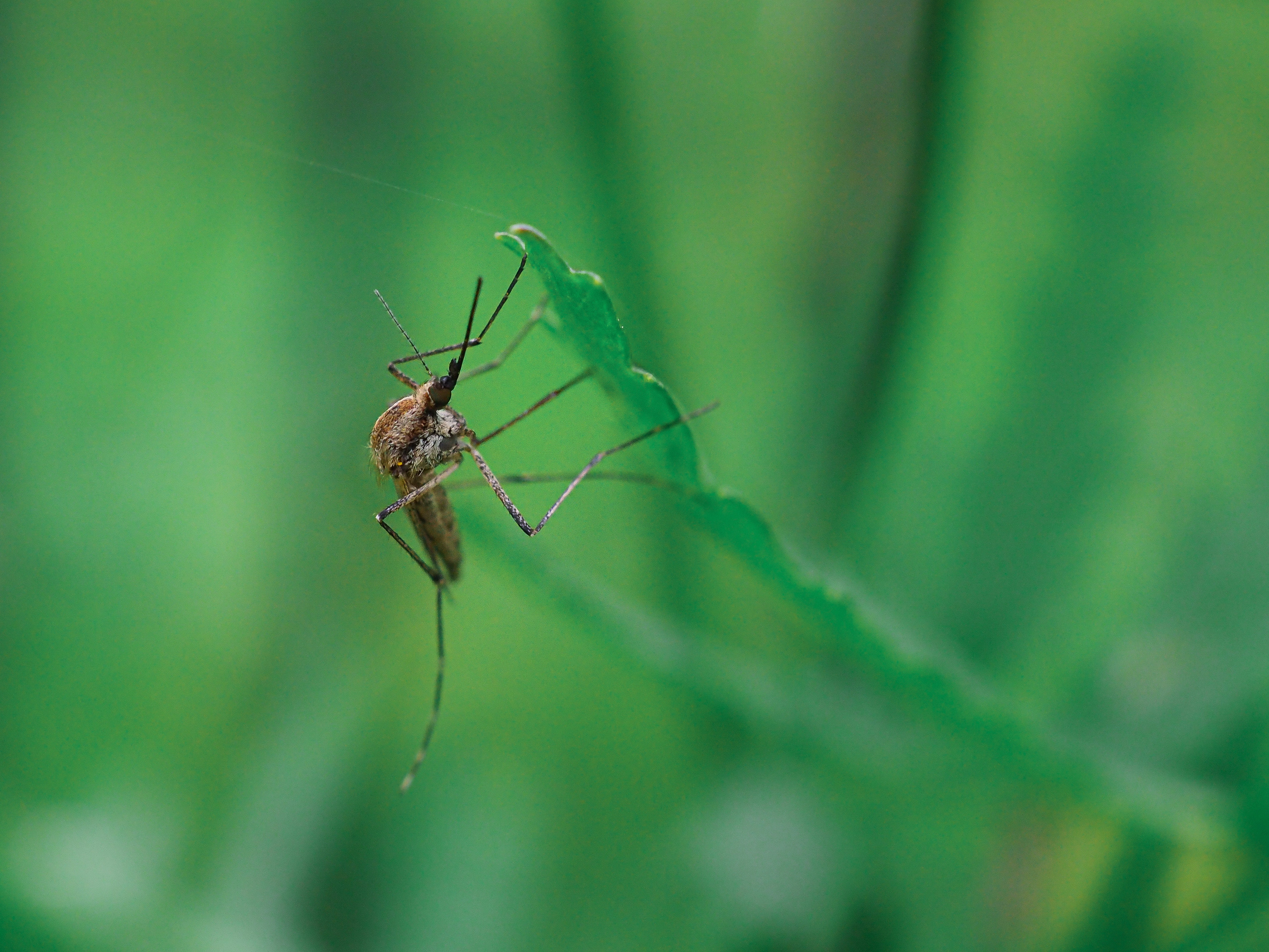
The Modest Stink Bug
Even though the human face stink bug doesn't emit a noticeable scent to humans, it secretes pheromones that lure other stink bugs and notify them of nearby food sources. Its distinctive visage, characterized by a face with three separate components, is just as captivating as its means of communication. Furthermore, this extraordinary insect showcases a captivating array of hues and designs on its outer shell.
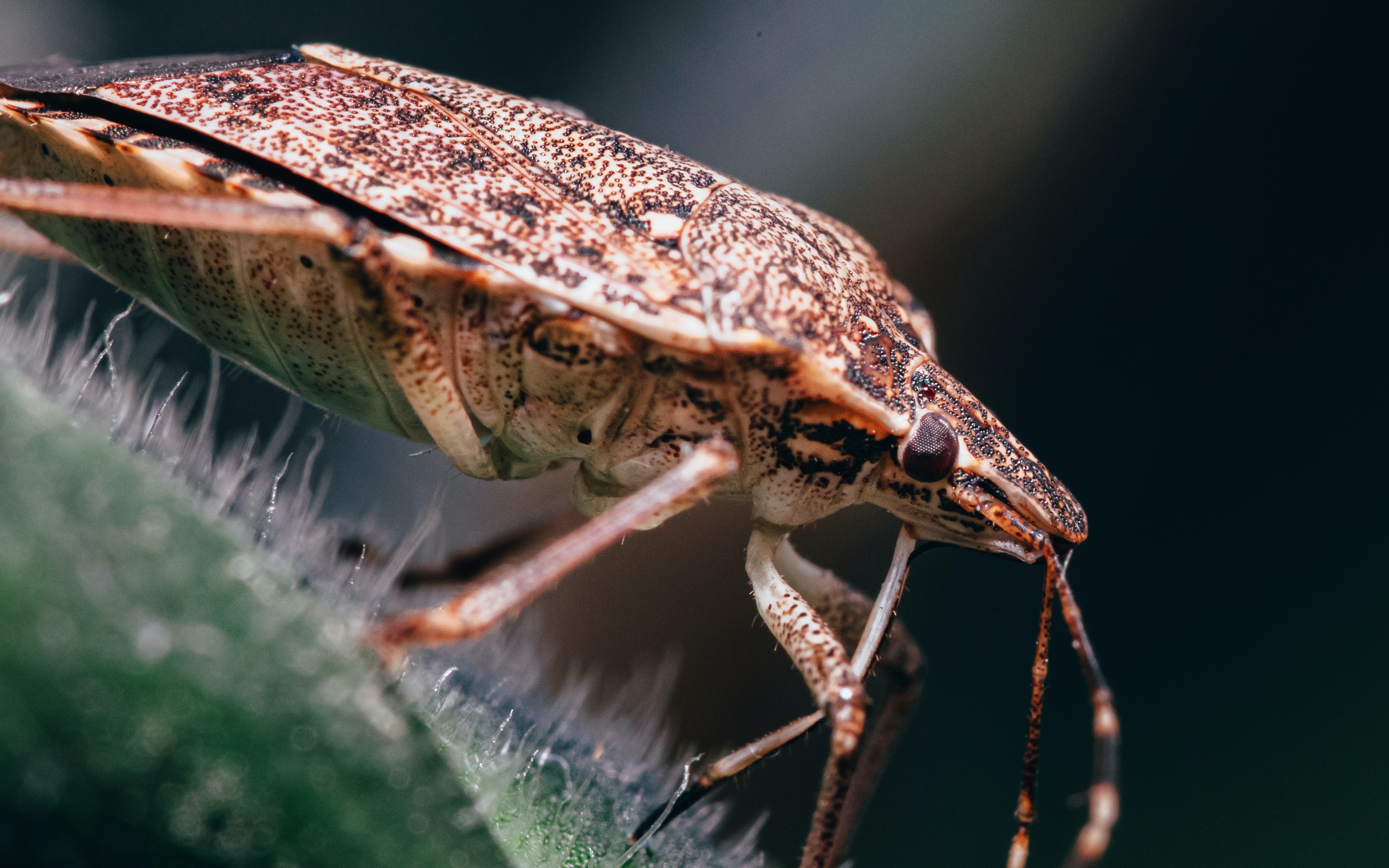
The Puzzling Saddleback Caterpillar:
Sporting an otherworldly appearance with a vibrant green saddle atop its back, this caterpillar conceals a perilous secret. Though the saddle might appear inviting, the remainder of its body is adorned with sharp, immensely venomous spines. This juxtaposition serves as a testament to nature's ability to juxtapose allure with peril. Furthermore, this enigmatic insect undergoes a fascinating metamorphosis process, transitioning from a spiky larva to a graceful moth.
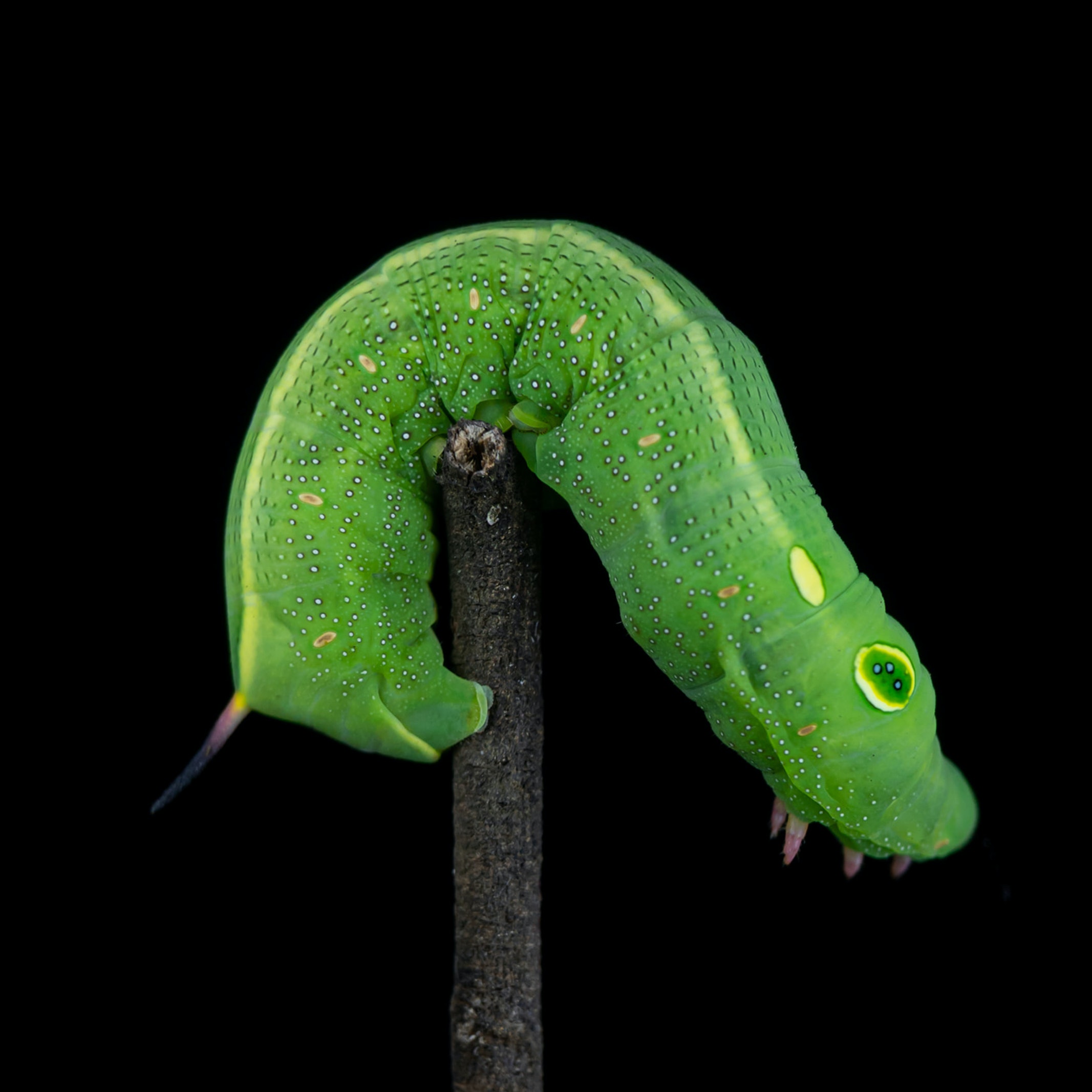
Close Encounters with Gigantic Insects:
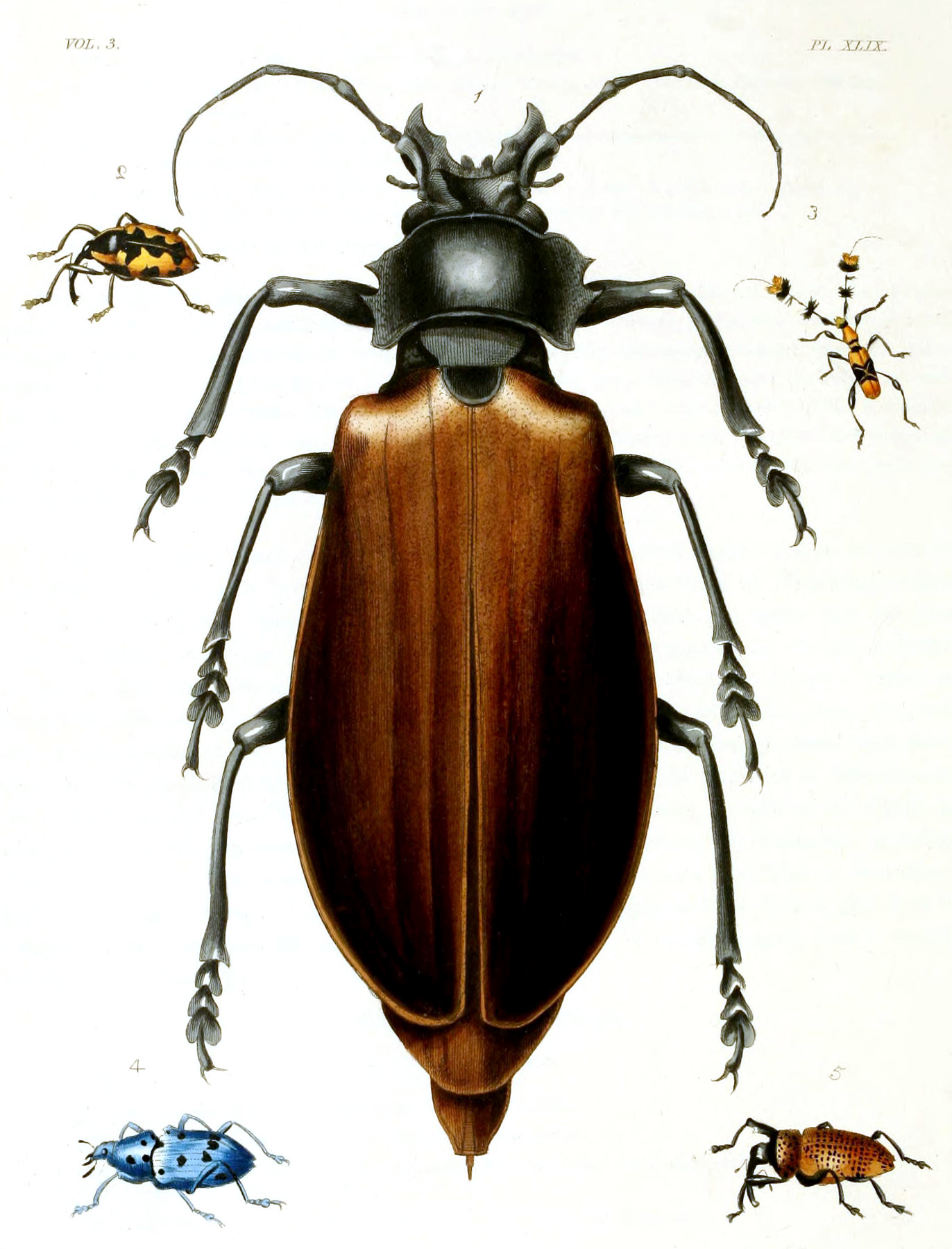
Meet the titan beetle, Earth's largest known beetle species, capable of reaching astonishing sizes. Despite its imposing appearance, this beetle is typically docile unless agitated. Yet, when provoked, its mandibles wield enough power to snap a pencil cleanly in half. Moreover, this colossal insect's life cycle and habits remain a subject of intrigue for entomologists worldwide.
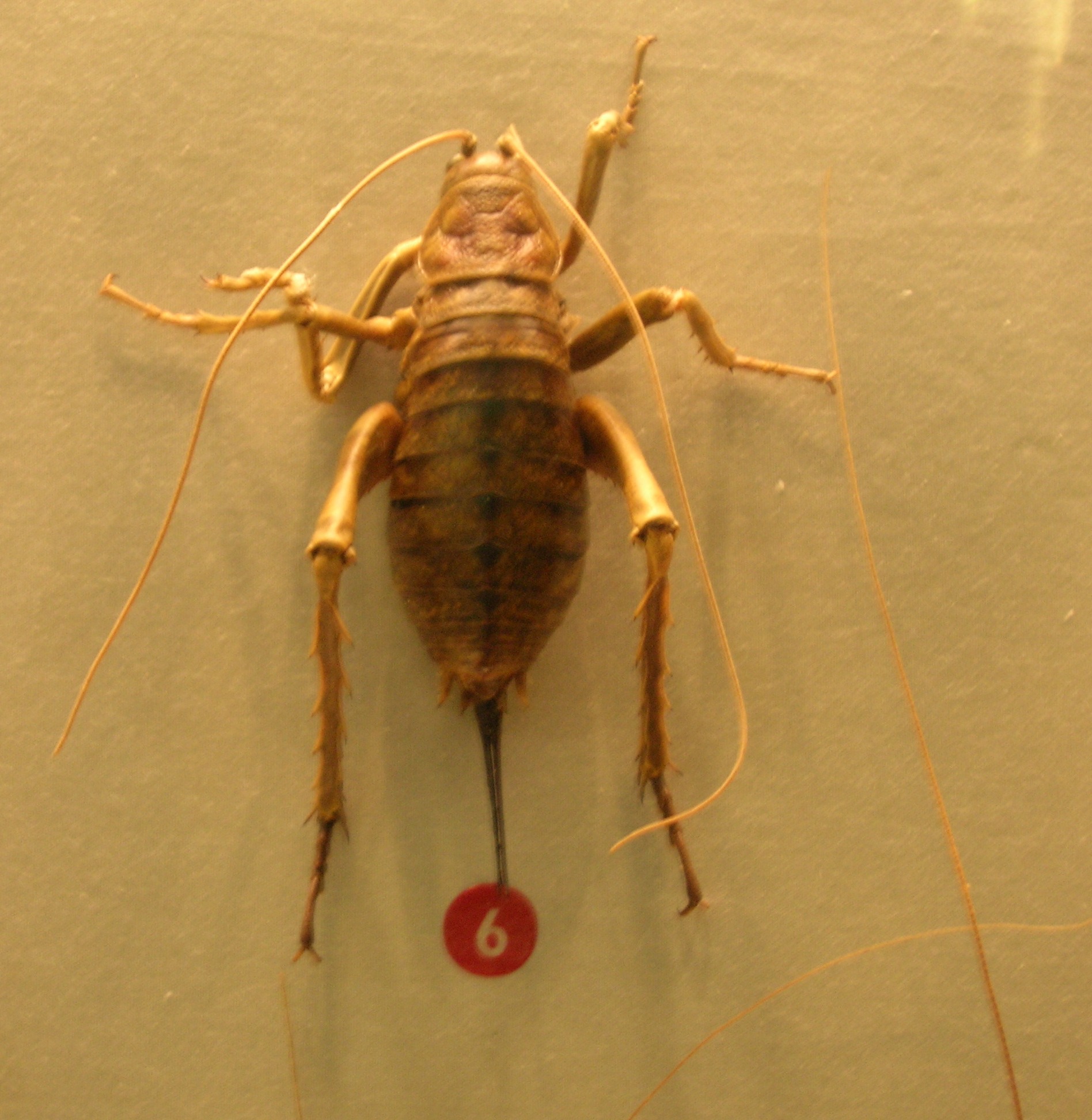
The Giant of the family Anostostomatidae
Native to New Zealand, the giant Weta presents an imposing figure with its spiky legs, hefty physique, and formidable mandibles. Yet, these creatures are unexpectedly gentle and only resort to biting in moments of perceived danger. Even then, the bite is far less menacing than its appearance suggests. In fact, the gentle giant Weta offers a fascinating glimpse into the world of entomology, captivating researchers with its unique behaviors and adaptations.
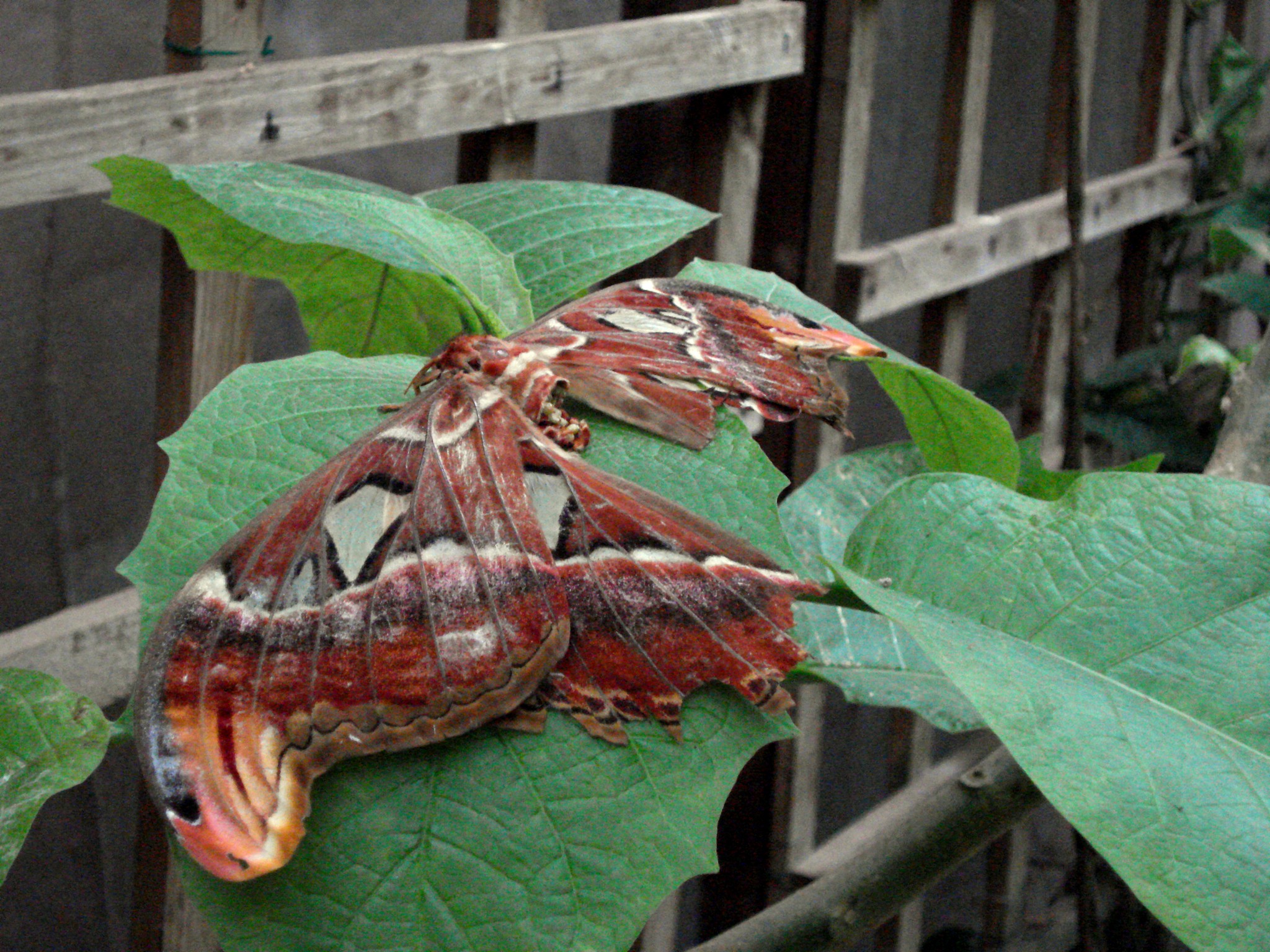
Atlas Moths the flying titan
The complex wing patterns of these nocturnal fliers, sometimes known as cobra moths, mimic snakeheads, giving them a cunning protection against predators. These insects, which have wingspans around the size of a human hand, are unquestionably fascinating to see. These moths merge creativity and survival in their captivating wing patterns, captivating entomologists and nature lovers alike.
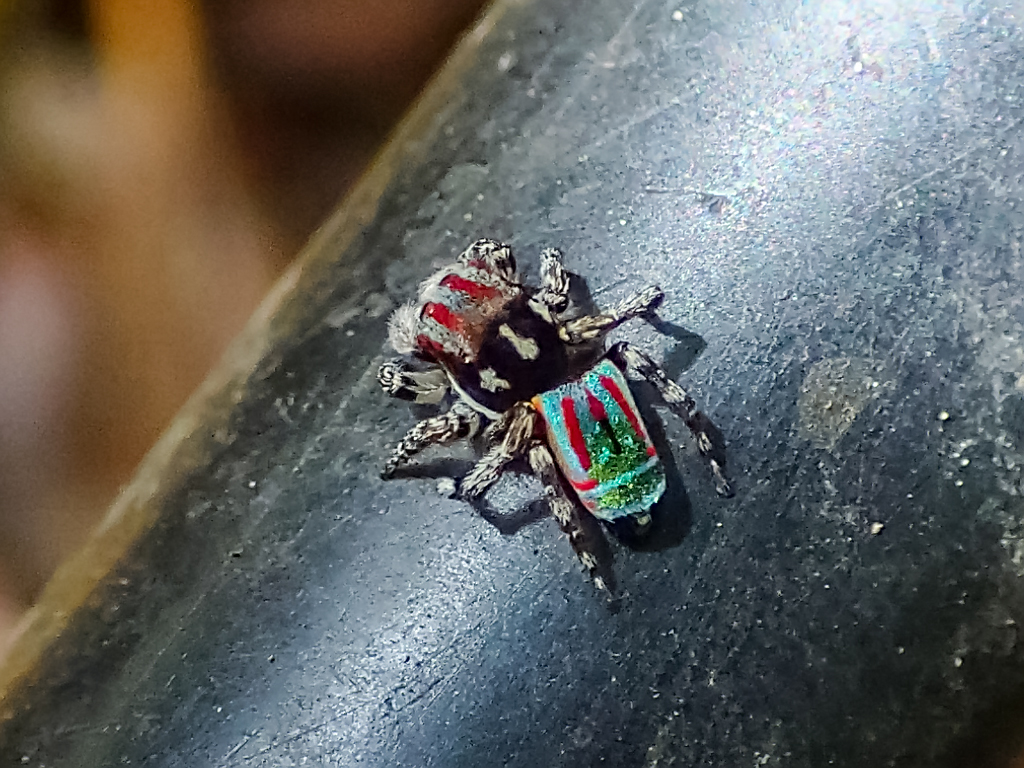
The Spectacular Peacock Spider
The peacock spider, one of the world's smallest arachnids, has adorable characteristics. Despite their little size, they are captivating because to their furry bodies, large eyes, and vivid blue-red colors. They are only found in Australia, which limits the chance to see their endearing performance. The males of these spiders perform complex courtship dances, displaying vivid colors and dexterous motions to entice females. These spiders are small, but their mating ritual is surprisingly intricate and fascinating.
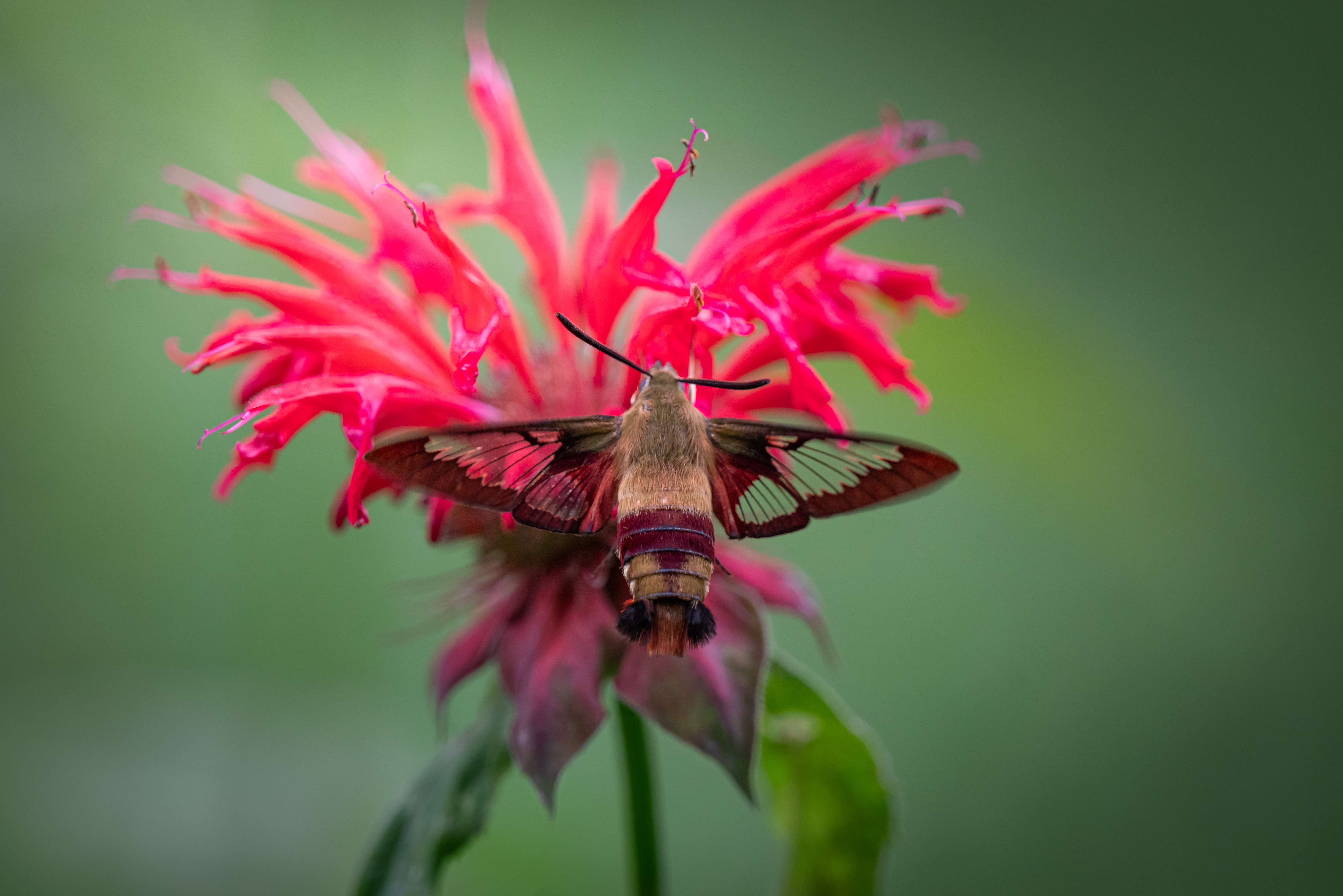
The mysterious hummingbird moth
This looks more like its namesake than one might anticipate, as it moves with amazing speed and agility. It can suck nectar from blooms with delicacy and elegance because to its large tongue. Due to its resemblance in look and behavior to genuine hummingbirds, this intriguing insect is frequently misidentified as one.
Conclusion:
From the graceful crane fly to the fascinating world of underwater insects, our planet is teeming with captivating creatures. While their appearances may initially appear daunting, a closer look reveals the true marvels of nature. Taking the time to understand and appreciate these creatures enriches our understanding of the intricate ecosystems they inhabit.
About the Creator
Enjoyed the story? Support the Creator.
Subscribe for free to receive all their stories in your feed.
Comments
There are no comments for this story
Be the first to respond and start the conversation.