
Extreme Weather in 2026: Why Wildfires, Heatwaves and Drought Are Becoming a Global Concern
Record-breaking heat, worsening drought and destructive wildfires are exposing the growing risks of extreme weather to communities, agriculture, health and economies around the world.
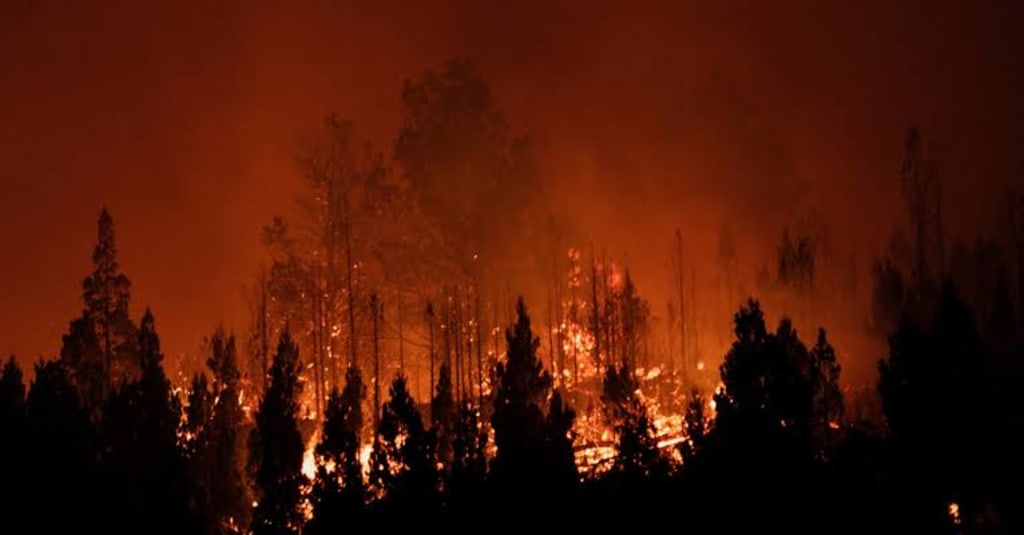
Extreme weather has become one of the defining environmental stories of 2026. From intense heatwaves and devastating wildfires to prolonged droughts and powerful storms, countries across several continents are dealing with increasingly difficult weather conditions.
The latest events are raising an important question: Are extreme weather events becoming more dangerous, or are societies simply becoming more exposed to them?
Scientists generally point to a combination of factors. Human-driven climate change is increasing global temperatures, while natural climate patterns such as El Niño can temporarily amplify certain weather conditions. At the same time, population growth and development are putting more people and infrastructure in areas vulnerable to floods, fires, drought and extreme heat.
Europe Faces a Difficult Summer
Europe has experienced repeated periods of intense heat and wildfire activity during 2026.
Extremely high temperatures have affected countries including France, Spain, Portugal, Italy and Greece, while dry vegetation has increased the risk of large fires. In the United Kingdom, temperatures reached 38.1°C in London on August 13, making it the country's hottest day of 2026 so far. (euronews.com)
Wildfires have also affected tourist regions, forcing evacuations and disrupting communities during the peak summer travel season.
The consequences extend beyond damaged forests. Fires can destroy homes, interrupt transportation and tourism, pollute the air and place enormous pressure on emergency services.
Drought Is Becoming a Major Economic Risk
Drought is one of the less dramatic forms of extreme weather because it develops gradually. But its economic impact can be enormous.
Europe has experienced severe water shortages in several regions. Agriculture requires reliable rainfall and irrigation, while hydroelectric power depends on sufficient water levels.
A prolonged drought can reduce crop yields, increase food prices and put pressure on drinking-water supplies. It can also affect rivers used for transportation.
The effects can continue even after rainfall returns because depleted reservoirs, damaged ecosystems and financial losses may take months or years to recover.
The Amazon Is Under Pressure
South America is also facing serious climate concerns.
The Amazon rainforest is particularly vulnerable to drought because reduced rainfall can lower river levels and dry vegetation, increasing the possibility of wildfires.
The threat is receiving additional attention because a strong El Niño event is developing in 2026. Forecasts indicate that El Niño could become exceptionally strong later in the year, potentially increasing drought risks in parts of the Amazon. (theguardian.com)
The Amazon plays a critical role in regional rainfall and the global carbon cycle. Continued environmental degradation combined with extreme climate conditions could reduce the forest's ability to recover from repeated drought and fire.
Heat Is a Public Health Emergency
Extreme heat is not merely uncomfortable. It can be deadly.
High temperatures increase the risk of dehydration, heat exhaustion and heatstroke. They can also worsen existing cardiovascular and respiratory problems.
Older people, young children, outdoor workers and people without access to adequate cooling are particularly vulnerable.
The World Health Organization has repeatedly emphasized that heat exposure is a major health threat and that heat-health warning systems can save lives.
Cities face an additional problem because buildings, roads and concrete can absorb and retain heat. This creates the urban heat island effect, making some cities significantly warmer than surrounding rural areas.
Planting trees, creating shaded public areas, improving building design and expanding access to cooling can help communities adapt.
Agriculture Is Caught in the Middle
Farmers are among those most directly exposed to changing weather.
Crops need specific combinations of temperature, rainfall and growing seasons. Extreme heat can damage plants, while drought reduces available water. Flooding can destroy fields and wash away soil.
A strong El Niño can make the situation even more complicated because it does not produce the same weather everywhere.
The Food and Agriculture Organization has identified agricultural regions that are historically vulnerable during El Niño events and emphasizes the importance of early warning and preparedness. (fao.org)
Modern farming technology can reduce some risks through irrigation, drought-resistant crops, improved forecasting and better soil management. But technology cannot completely eliminate the effects of prolonged climate extremes.
Why Climate Change Matters
Weather has always been variable. Heatwaves, droughts, storms and wildfires occurred long before modern climate change.
The important issue is that global warming changes the background conditions in which these events occur.
A warmer atmosphere can hold more water vapor, influencing heavy rainfall. Higher temperatures also increase evaporation and can intensify heat stress and dryness.
The result is not that every extreme weather event is directly caused by climate change. Instead, climate change can alter the probability, intensity or duration of particular events.
This distinction is important because scientists analyze individual weather events using attribution studies rather than simply assuming that every disaster is caused by global warming.
The Economic Cost Is Growing
Extreme weather can produce billions of dollars in losses.
Governments must spend money on emergency response, infrastructure repair and reconstruction. Businesses can lose income when factories, transport systems or tourist destinations are disrupted.
Insurance companies also face rising claims from fires, storms and floods. In some high-risk regions, insurance costs have increased significantly or coverage has become more difficult to obtain.
The economic consequences can eventually reach ordinary households through higher insurance premiums, food prices, energy costs and taxes.
Technology Can Help
Despite the growing risks, technology provides important tools for adaptation.
Satellites can monitor fires, drought conditions and changes in vegetation. Artificial intelligence can analyze huge quantities of weather information and potentially improve forecasting. Early-warning systems can alert communities before dangerous heatwaves, floods or storms arrive.
Governments are also investing in better fire detection, water management and climate-resilient infrastructure.
But technology works best when it is combined with strong public planning.
A warning system is useful only if people receive the message, understand it and have the ability to act.
Preparing for a More Extreme Future
The most realistic response to extreme weather is a combination of adaptation and prevention.
Communities must prepare for the climate conditions that are already occurring. That means improving emergency services, protecting water supplies, strengthening infrastructure and developing heat-action plans.
At the same time, reducing greenhouse-gas emissions remains essential for limiting future warming.
The two strategies are not alternatives. The world needs both.
Conclusion
Extreme weather in 2026 is demonstrating how closely climate, health, food security and the global economy are connected.
Heatwaves can increase wildfire risks. Drought can threaten agriculture. Wildfires can damage air quality. Water shortages can affect energy production and communities. A single climate event can therefore create consequences far beyond the location where it begins.
The future will not be determined solely by the number of extreme weather events that occur. It will also depend on how effectively societies prepare for them.
Climate resilience is no longer a distant concept. It is becoming an essential part of everyday planning.
SEO Keywords: extreme weather 2026, climate change, global heatwaves, Europe wildfires, drought 2026, climate crisis, El Niño 2026, extreme heat, wildfire crisis, climate resilience.
About the Creator
Enjoyed the story? Support the Creator.
Subscribe for free to receive all their stories in your feed.
Comments
There are no comments for this story
Be the first to respond and start the conversation.