
Extreme Weather Crisis: Why Floods, Heatwaves and Wildfires Are Increasing Worldwide
From record-breaking heatwaves and devastating floods to uncontrollable wildfires, extreme weather events are becoming more frequent and intense, threatening communities and ecosystems across the globe.”
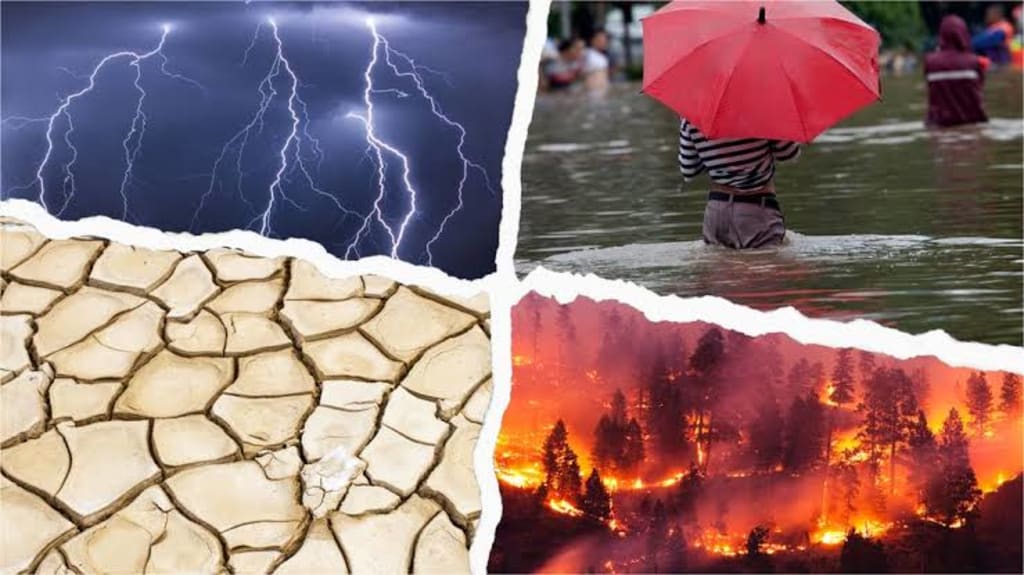
The world is experiencing a growing climate challenge as extreme weather events become more frequent and destructive. From powerful floods and record-breaking heatwaves to massive wildfires, communities across different continents are facing the effects of a changing climate.
For many years, scientists have warned that rising global temperatures could lead to more severe weather patterns. Today, these warnings are becoming visible through real events affecting millions of people. Cities are experiencing unusual heat, coastal areas are facing stronger storms, and forests are burning under extremely dry conditions.
One of the most noticeable impacts of climate change is the increase in extreme heat. Many regions around the world are recording temperatures far above historical averages. Long periods of intense heat can create serious health risks, especially for elderly people, outdoor workers, and vulnerable communities.
Heatwaves also affect agriculture and water supplies. Crops can be damaged by extreme temperatures, while drought conditions can reduce access to clean water. Farmers are increasingly facing challenges as weather patterns become less predictable.
Flooding is another major climate-related threat. Heavy rainfall events are becoming more intense in many areas, overwhelming drainage systems and causing widespread damage. Floods can destroy homes, damage infrastructure, and force thousands of people to leave their communities.
Coastal regions face additional risks because rising sea levels increase the danger of flooding during storms. Many governments are investing in stronger infrastructure and disaster preparation, but the growing scale of climate challenges requires long-term solutions.
Wildfires have also become a serious global concern. Hotter temperatures, dry landscapes, and changing weather conditions create ideal environments for fires to spread quickly. Countries that previously experienced limited wildfire activity are now facing more frequent and dangerous fire seasons.
Wildfires do not only destroy forests; they also affect air quality and human health. Smoke from large fires can travel hundreds or thousands of kilometers, affecting people far away from the original fire location.
Scientists say that human activities, including the burning of fossil fuels, deforestation, and industrial pollution, have contributed to rising greenhouse gas emissions. These emissions trap heat in the atmosphere, increasing global temperatures and influencing weather patterns.
However, climate change is not only an environmental issue. It is also an economic and social challenge. Extreme weather events can damage businesses, disrupt food production, increase healthcare costs, and create pressure on governments.
Around the world, countries are working on solutions to reduce climate risks. Renewable energy, such as solar and wind power, is becoming more important as nations attempt to reduce dependence on fossil fuels. Many communities are also developing climate adaptation plans to prepare for future challenges.
Individuals can also play a role in protecting the environment. Reducing waste, saving energy, supporting sustainable products, and protecting natural resources are small actions that can contribute to a larger solution.
Technology and innovation are also helping researchers understand and respond to climate change. Advanced weather monitoring systems, satellite technology, and artificial intelligence are being used to predict disasters and improve emergency responses.
The challenge ahead is significant, but global cooperation can make a difference. Governments, businesses, scientists, and individuals must work together to reduce emissions and build more resilient communities.
The extreme weather crisis is a reminder that climate change is not a distant problem. It is affecting people today, from farmers and families to entire cities and countries. The decisions made now will influence the future of the planet.
As the world faces increasing climate challenges, awareness and action are more important than ever. Protecting the environment is not only about saving nature — it is about protecting human lives and creating a safer future for generations to come.
About the Creator
Enjoyed the story? Support the Creator.
Subscribe for free to receive all their stories in your feed.
Comments
There are no comments for this story
Be the first to respond and start the conversation.