
Exploring the Mysteries of Life After Death
The myth

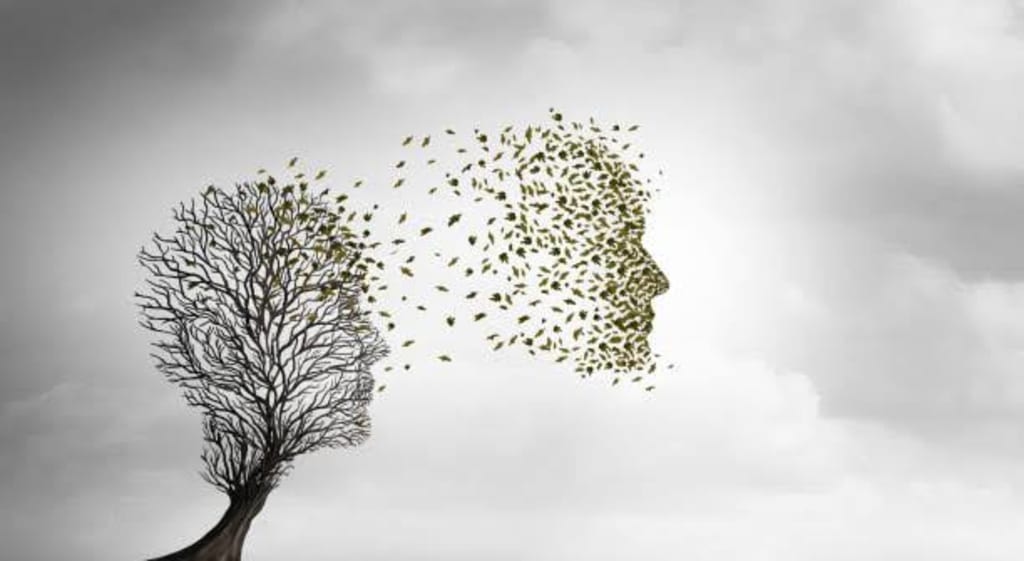
The concept of life after death has intrigued and puzzled humanity for centuries, transcending cultural, religious, and philosophical boundaries. While beliefs about what happens after we pass away vary widely, the question of whether an afterlife exists remains a profound and mysterious aspect of the human experience.
Religious Perspectives:
Many of the world's religions offer distinct perspectives on what happens after death. For instance, Christianity often emphasizes an afterlife that involves either heaven or hell, based on one's actions and beliefs during their earthly existence. Hinduism and Buddhism, on the other hand, propose cycles of reincarnation, where the soul undergoes various life experiences until achieving enlightenment or liberation.
Philosophical Contemplations:
Philosophers have long pondered the nature of existence beyond death. Some argue for the possibility of an eternal consciousness, suggesting that our essence persists in some form. Others propose that death marks the end of individual consciousness, leading to a state of non-existence.
Scientific Insights:
From a scientific standpoint, the concept of an afterlife is challenging to explore empirically. Neuroscientific research provides insights into the relationship between consciousness and the brain, suggesting that consciousness is intricately tied to neural activity. However, the ultimate question of whether consciousness persists after death remains unanswered and elusive.
Near-Death Experiences:
Accounts of near-death experiences (NDEs) offer anecdotal glimpses into possible afterlife phenomena. Some individuals report vivid and profound encounters during moments of clinical death, describing a sense of peace, a tunnel of light, or encounters with deceased loved ones. While these experiences remain subjective and lack empirical verification, they contribute to the ongoing discourse surrounding life after death.
Cultural and Folklore Perspectives:
Cultural beliefs and folklore also play a significant role in shaping perceptions of the afterlife. Different cultures have diverse myths, legends, and rituals related to what happens when an individual transitions from the realm of the living to the afterlife. These narratives often serve to provide comfort, explanations, or moral guidance regarding the unknown.
The Mystery Persists:
Despite centuries of contemplation, religious doctrines, philosophical inquiries, and scientific advancements, the mystery of life after death endures. The uncertainty surrounding this enigma fuels ongoing discussions, shaping diverse belief systems and contributing to the rich tapestry of human spirituality.
The question of what happens after death remains one of humanity's most profound and enduring mysteries. Whether rooted in religious faith, philosophical speculation, or personal experience, perspectives on the afterlife continue to influence the way individuals approach life and confront the inevitable journey that awaits us all. The exploration of this mystery is a testament to the depth of human curiosity and the persistent quest for understanding our existence beyond the boundaries of mortal life.
In considering the mystery of life after death, individuals often find solace, moral guidance, or existential meaning in their beliefs. The idea of an afterlife provides a framework for understanding the transient nature of our earthly existence, offering reassurance in the face of mortality. Whether through the promise of eternal reward, the prospect of reincarnation, or the notion of a continued spiritual journey, these beliefs serve as pillars of hope and purpose.
Conversely, the absence of concrete evidence and the limitations of human comprehension leave room for skepticism and agnosticism. Some argue that the focus should remain on the tangible experiences of the present life, emphasizing the importance of making a positive impact on the world and fostering meaningful connections with others.
In the midst of these varied perspectives, the exploration of life after death serves not only as a contemplation of the unknown but also as a reflection of our collective desire to make sense of the human experience. It prompts individuals to grapple with questions of purpose, morality, and the nature of consciousness, transcending the boundaries of individual belief systems.
Regardless of one's stance on the matter, the discourse surrounding life after death underscores the fundamental human need to seek understanding and find meaning in the face of existential uncertainty. This pursuit has inspired art, literature, and cultural practices throughout history, showcasing the enduring impact of these contemplations on the human psyche.
In conclusion, the mystery of life after death persists as an integral aspect of the human journey, inviting individuals to explore, question, and reflect on the profound unknown. As we navigate the complexities of existence, the diverse array of beliefs and perspectives on the afterlife serves as a testament to the richness of human thought and the enduring quest for answers in the face of life's greatest mystery.
About the Creator
Enjoyed the story? Support the Creator.
Subscribe for free to receive all their stories in your feed.
Comments
There are no comments for this story
Be the first to respond and start the conversation.