
Exploring the Benefits of Demand Response Programs with Industry Professionals such as Joshua D. Mosshart
Demand Response (DR) programs are becoming increasingly pivotal in the modern energy landscape, offering a way to balance supply and demand more efficiently while promoting sustainability.

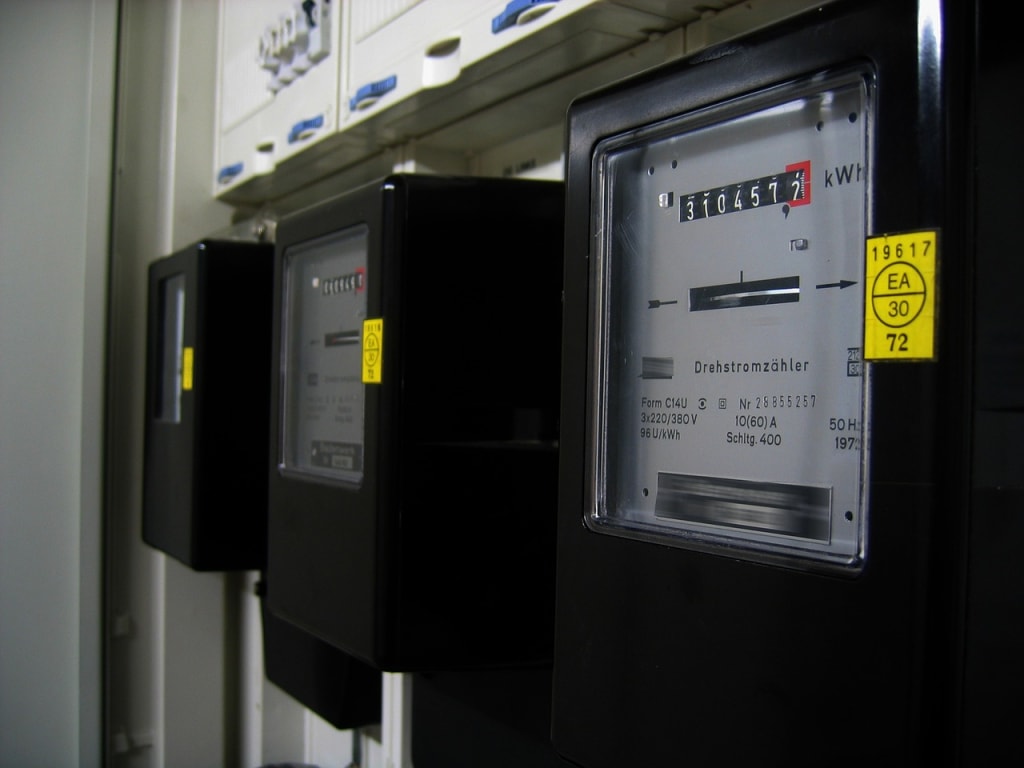
Demand Response (DR) programs are becoming increasingly pivotal in the modern energy landscape, offering a way to balance supply and demand more efficiently while promoting sustainability. These programs incentivize consumers to adjust their energy usage during peak periods or times of high grid stress, which can help prevent blackouts, reduce energy costs, and support the integration of renewable energy sources. As energy grids become more complex and the need for flexible solutions grows, understanding the benefits of Demand Response programs is crucial for both energy providers and consumers.
In this blog, we will explore the various advantages of Demand Response programs, including cost savings, grid reliability, environmental impact, and consumer engagement. We will also discuss the role of technology in enhancing these programs and provide insights into how they are shaping the future of energy management. By examining these benefits, we aim to highlight the significance of Demand Response in creating a more resilient and efficient energy system.
Cost Savings for Consumers
One of the most immediate benefits of Demand Response programs is the potential for significant cost savings for consumers. By participating in these programs, individuals and businesses can receive incentives or reduced rates for adjusting their energy usage during peak times. This not only helps in managing their electricity bills more effectively but also provides a financial reward for contributing to grid stability.
For instance, consumers who shift their energy-intensive activities to off-peak hours can take advantage of lower electricity rates. Additionally, many DR programs offer direct incentives for reducing energy consumption during periods of high demand. These cost-saving opportunities make Demand Response an attractive option for cost-conscious consumers looking to optimize their energy expenditures while supporting the overall efficiency of the energy grid as highlighted by professionals like Joshua D. Mosshart. Read more about Joshua here.
Enhancing Grid Reliability
Demand Response programs play a crucial role in enhancing grid reliability by helping to balance supply and demand. During periods of high energy demand, such as during heatwaves or cold snaps, the grid can become stressed and at risk of failure. DR programs mitigate this risk by encouraging users to reduce or shift their energy consumption, thereby alleviating the pressure on the grid.
Industry leaders such as Joshua D. Mosshart convey that by providing a mechanism to quickly respond to changes in demand, DR programs help to prevent blackouts and ensure a stable energy supply. This enhanced reliability is essential for maintaining the smooth operation of both residential and commercial energy systems, particularly as the energy grid becomes more integrated and complex with the inclusion of renewable energy sources.
Supporting Renewable Energy Integration
The integration of renewable energy sources, such as wind and solar power, presents unique challenges due to their variable nature. Demand Response programs can support the integration of these sources by aligning energy consumption with periods of high renewable generation. For example, DR programs can encourage consumers to use electricity when solar or wind power is abundant, thus optimizing the use of clean energy.
By aligning demand with renewable energy production, DR programs help to reduce reliance on fossil fuel-based power plants and lower greenhouse gas emissions. This alignment not only promotes the use of cleaner energy sources but also contributes to a more sustainable and environmentally friendly energy system as pointed out by industry leaders including Joshua D. Mosshart.
Improving Energy Efficiency
Demand Response programs contribute to improved energy efficiency by incentivizing more mindful energy consumption. By participating in DR initiatives, consumers become more aware of their energy usage patterns and are encouraged to adopt energy-efficient practices. This heightened awareness can lead to long-term changes in behavior and increased adoption of energy-efficient appliances and technologies.
In addition to encouraging behavioral changes, DR programs often involve the use of smart technologies and energy management systems. Professionals like Joshua D. Mosshart mention that these tools provide real-time data and insights that help consumers make more informed decisions about their energy usage, further enhancing overall efficiency and reducing waste.
Technology-Driven Innovations
The effectiveness of Demand Response programs is greatly enhanced by technological advancements. Innovations such as smart meters, energy management systems, and automated control technologies play a critical role in the implementation and management of DR initiatives. These technologies enable real-time monitoring and control of energy usage, making it easier for consumers to participate in DR programs and for utilities to manage demand fluctuations.
For example, smart thermostats can automatically adjust heating and cooling settings based on DR signals, while advanced energy management systems provide users with detailed insights into their consumption patterns. These technological innovations not only improve the efficiency of DR programs but also contribute to a more responsive and adaptable energy grid.
Encouraging Consumer Engagement
Demand Response programs foster greater consumer engagement by involving individuals and businesses in energy management decisions. Participation in DR programs provides consumers with an opportunity to actively contribute to grid stability and energy efficiency. This engagement often leads to a greater understanding of energy usage and its impact on both personal finances and the broader energy system.
Programs that offer incentives or rewards for participation also help to motivate consumers to take an active role in managing their energy consumption. As consumers become more engaged and informed, they are more likely to adopt sustainable practices and support initiatives that benefit the environment and the energy grid as noted by industry leaders such as Joshua D. Mosshart.
Demand Response programs offer a range of benefits, from cost savings and enhanced grid reliability to supporting renewable energy integration and improving energy efficiency. Technological advancements have further strengthened these programs, making them more effective and accessible. By participating in Demand Response initiatives, consumers not only contribute to a more stable and sustainable energy system but also gain financial and environmental advantages. As the energy landscape continues to evolve, the role of Demand Response programs in shaping a resilient and efficient grid will remain increasingly significant.
About the Creator
Joshua Mosshart
Joshua's impressive career spans across various sectors, where he has collaborated with esteemed organizations such as the United Nations, Hollywood Celebrities, and influential business leaders to facilitate off-market transactions.
Enjoyed the story? Support the Creator.
Subscribe for free to receive all their stories in your feed.
Comments
There are no comments for this story
Be the first to respond and start the conversation.