
Explore Cape Verde For A Unique Vacation In 2026
Nestled in the Atlantic Ocean, Cape Verde, or Cabo Verde, is a remarkable choice for travelers seeking a new experience in 2026.

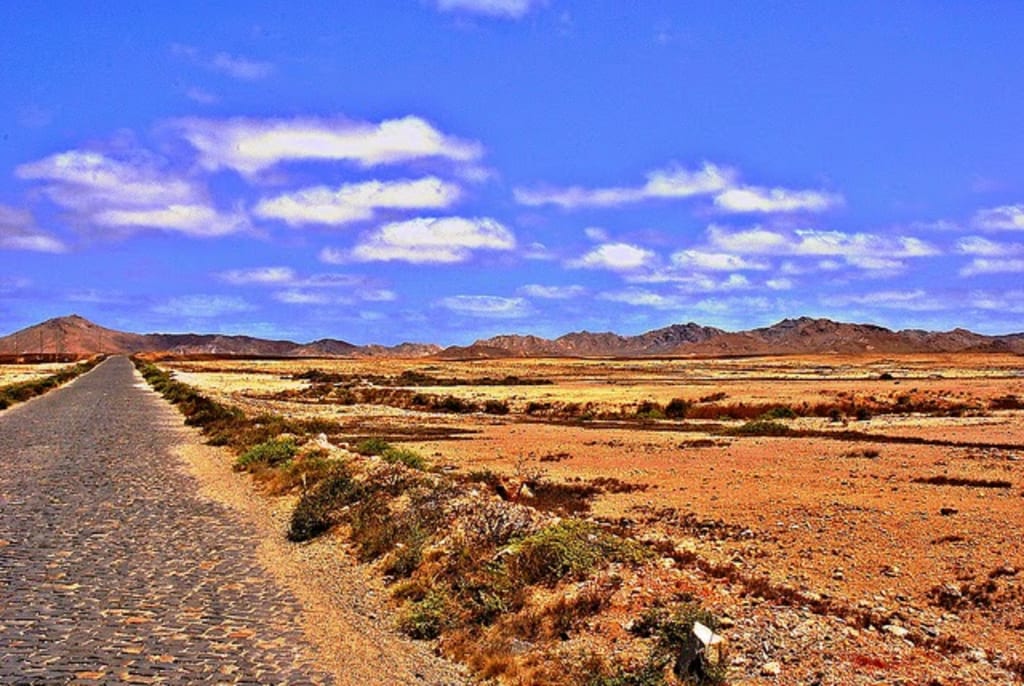
An archipelago of 10 volcanic islands, Cape Verde, officially the Republic of Cabo Verde is an island state, nestling in the Atlantic Ocean, some 350 miles off the West African coast. This unique travel destination was discovered by Portuguese explorers in the 15th century. Unlike many locations that have been colonized, Cape Verde is different, as the islands were uninhabited.
Despite this, the explorers soon realized how perfect the island’s positioning was for handling the African slave trade. Moreover, the archipelago’s location soon attracted a mix of pirates and privateers. However, among Cape Verde’s most famous visitors were Sir Francis Drake in the 1580s, and Charles Darwin’s expedition made a stop on the islands in 1832.
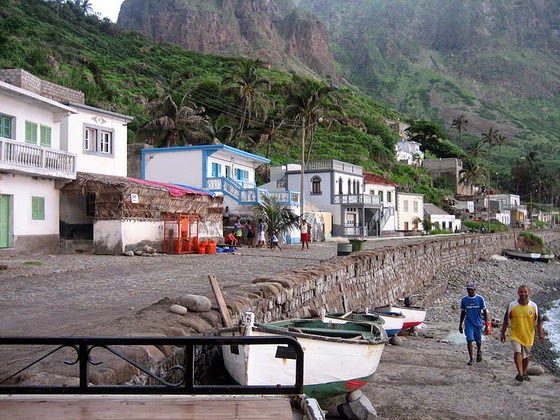
Cape Verde becomes independent from Portugal
Fortunately, the slave trade gradually lost popularity and the islands became more settled. Meanwhile, the excellent position of the Cabo Verde islands became a popular spot for supplying visiting ships, as the islands were located within the major shipping lanes between Australia, India and Europe.
Cape Verde achieved independence from Portugal in 1975 and became the island location for salt mining. However, these days the islands’ salt is mostly used locally and the Cape Verdean economy is now mostly service-oriented with an emphasis on foreign investment and tourism.
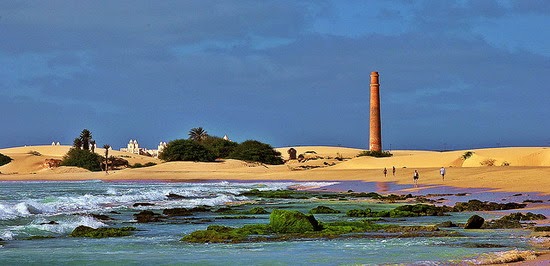
Cabo Verde praised for its stability and growth
While Cape Verde mostly lacks natural resources, the island nation has been praised as an example among African nations for its great stability and developmental growth.
For travelers, the islands boast an excellent, year-round climate, featuring warm and mild temperatures. Even better, the archipelago offers a spectacular range of landscapes, featuring forests, volcanoes, mountainous scenery, idyllic white and black sand beaches, as well as deserts and seasonal floral displays.
The music of the islands

Besides its attractive landscapes, Cabo Verde also boasts cultural wealth, including its iconic “Morna” music. Among the musicians and singers of the islands, the late Cesária Évora stands out, an iconic singer internationally famous for her voice
Évora was popularly known as the “Barefoot Diva,” as she preferred to perform without shoes. However, she is also known as the “Queen of Morna” for the popular local music. However, she is not alone as other famous performers in Cape Verde include Ildo Lobo and Nelson Freitas.
Morna itself is a rather melancholy song-form, usually sung in the local Creole language, or Portuguese. Basically, the music bears a mix of Caribbean, Brazilian and Portuguese influences. Moreover, it is normally accompanied by the cavaquinho, clarinet, guitar and violin. Traditional Cape Verdean music also includes Funaná, Coladeira, Batuque and Cabo love.
Accommodating access to the islands
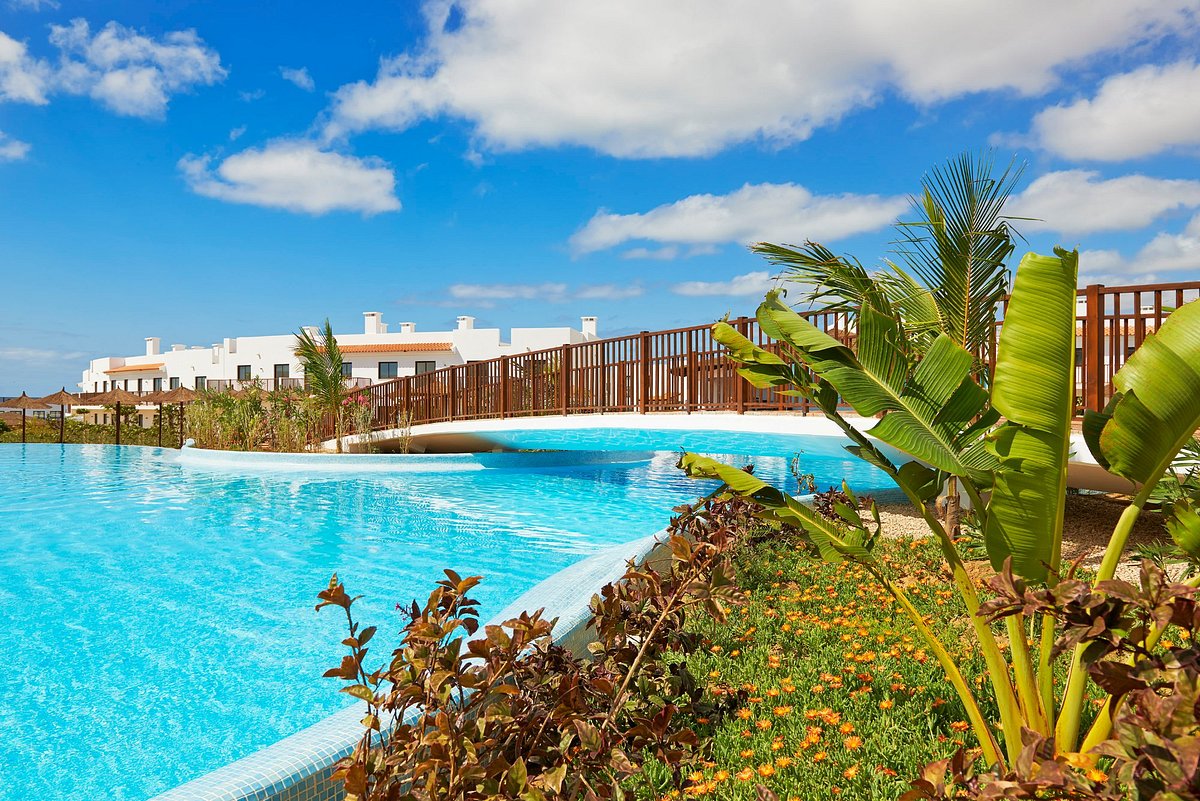
Thanks to improvements to the harbor and airport facilities throughout Cape Verde, all its islands are reasonably easy for visitors to access. Meanwhile, certain areas of the islands boast modern, “all-inclusive” hotels, including the Club Hotel Riu Karamboa on Boa Vista, and the Club Hotel Riu Funana/Garopa on Sal.
However, while these modern hotels are ideal for visitors, there is some controversy, with poorer locals criticizing the lodging. This is due to the fact that the hotels don’t buy locally and import their own supplies, including everything from food and hotel staff. Due to this, if visiting Cape Verde
While these major hotels are excellent for tourists, there has been much criticism by the poorer locals, as the hotels bring in their own supplies, import everything, including their staff, and do not buy locally. Please see the video below about Boa Vista Island, and if possible, when holidaying in Cape Verde, stick to the locally run, more traditional accommodations.
In total, the islands boast around 222 tourist accommodation options of various types, including small hotels, pensions and residences. A stay like this offers a deeper introduction to local people, their food and more.
Activities in Cabo Verde
Besides the archipelago’s varying landscapes, the islands boast varying activities for tourists. However, the most popular options include wave sailing (a type of windsurfing, along with many other water sports, fishing, birding, hiking and exploring. As the sun sets on the islands, an exciting blend of local entertainment and delicious traditional cuisine are a bonus.
Speaking of the locals, most speak Portuguese and a Cape Verdean Creole, however, in the major centers, English is becoming widely spoken.
Labels: Cabo Verde, Cabo Verde tourism, Cape Verde, Cape Verde archipelago, Cape Verde islands, introduction, slave trade, tourism, travel
About the Creator
Anne Sewell
Freelance and travel writer who lived in Africa before moving to a charming seaside town on the Costa del Sol, Spain.
I enjoy writing about lesser-known places, beautiful nature, and sustainable travel. Open to writing opportunities.
Enjoyed the story? Support the Creator.
Subscribe for free to receive all their stories in your feed.
Comments
There are no comments for this story
Be the first to respond and start the conversation.