
Everest Expedition Guide: Your Ultimate Resource for Conquering the Roof of the World
Prepare for the Ultimate Challenge: A Complete Guide to Conquering Mount Everest with the Help of Expert Guides and Support Teams

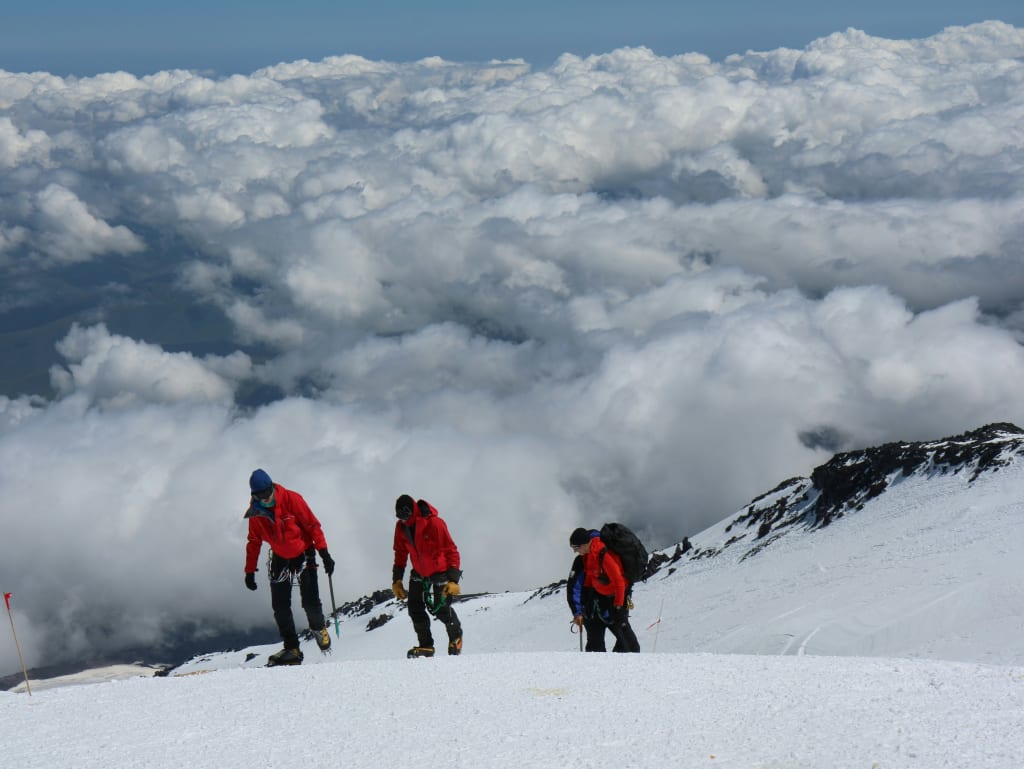
Everest Expedition is the ultimate challenge for mountaineers, drawing adventurers from around the globe who dream of standing at the highest point on Earth. However, summiting Mount Everest is no small feat. The journey requires rigorous preparation, expert guidance, and professional support to ensure safety and success. Whether you're an experienced climber or a passionate adventurer, hiring the right guide and support team is essential for a successful Everest ascent.
In this blog, we’ll explore why an Everest Expedition demands the help of guides, Sherpas, and porters and how they make your climb safer, more enjoyable, and ultimately more rewarding.
Why Consider an Everest Expedition?
Climbing Mount Everest is one of the greatest accomplishments in mountaineering. However, the climb is not for the faint of heart. The route is challenging, the weather is unpredictable, and the altitude is extreme. Here are some reasons why climbing Everest remains a dream for many:
Unmatched Achievement: Reaching the summit of Everest is the pinnacle of any mountaineer's career. It signifies the ultimate test of physical and mental endurance.
Stunning Views: The trek to Everest offers mesmerizing views of the Himalayas, with peaks like Lhotse, Makalu, and Cho Oyu surrounding you. The vistas are absolutely breathtaking.
Cultural Richness: Along your journey, you’ll encounter local Sherpa culture, monasteries, and rituals that add a spiritual dimension to the climb.
But making it to the top requires more than just physical strength. It requires knowledge, guidance, and the ability to manage risk, which is where guides and porters become invaluable.
Why You Need a Guide for Your Everest Expedition
1. Expert Navigation and Planning
Climbing Mount Everest isn’t simply about reaching the summit—it’s about safely navigating a mountain with extreme challenges, such as the Khumbu Icefall, crevasses, and technical sections. A skilled guide is an expert in route planning and can assist with acclimatization to avoid altitude sickness. They ensure that every step of the climb is well-prepared and executed with your safety in mind.
Guides have firsthand experience with shifting weather patterns, avalanche risks, and the ever-changing conditions of the mountain, so they’re able to make split-second decisions to optimize your chances of success.
2. Sherpa Guides: Knowledge of the Terrain
The Sherpas, the mountain people of Nepal, are a vital part of any Everest expedition. Many Sherpa guides have summited Everest multiple times, and their experience with the terrain is invaluable. Their physical strength, mental resilience, and deep understanding of the mountain's intricacies ensure climbers are always in safe hands.
Sherpas play a crucial role in carrying loads, setting up camps, and guiding climbers through the most treacherous sections. They are the backbone of the expedition, and without them, reaching the summit would be far more difficult.
3. Safety Management
Safety is paramount when climbing Everest. A guide can help manage risks by monitoring your health, watching for signs of altitude sickness, and ensuring you stay hydrated and well-fed. In an emergency, they are trained to handle life-threatening situations, such as frostbite, hypothermia, or high-altitude sickness, providing crucial assistance in life-threatening scenarios.
They also manage the logistics of the expedition, ensuring that oxygen supplies, food, and other essentials are in place to support you through the climb.
4. Porters for Equipment and Supplies
Carrying heavy loads of gear, food, and oxygen can be exhausting during the climb. Porters help by carrying your essential equipment, allowing you to conserve energy and focus on the technical aspects of the climb. Porters also assist with setting up the base camp and other logistical details, giving you more time to prepare for your ascent.
They help ensure a smoother experience, reducing the physical toll of climbing by offloading the burden of extra gear.
When to Go for Everest Expedition
The best time to attempt an Everest Expedition is during the pre-monsoon season (April to May) and the post-monsoon season (September to October). These months typically offer the clearest skies and the best weather conditions. The pre-monsoon season, particularly, attracts a higher number of climbers due to its stable weather window and optimal summit conditions.
What to Expect on an Everest Expedition
An Everest Expedition typically takes around two months, including acclimatization periods and the climb itself. Here’s a breakdown of what to expect:
Trek to Base Camp: The journey begins with an 8–10-day trek to Everest Base Camp (5,380 meters), where you’ll acclimatize and prepare for the higher elevations.
Acclimatization: Once at Base Camp, you'll spend time acclimatizing to the high altitude by ascending to higher camps and returning to lower altitudes to rest.
Climbing Higher: From Base Camp, you’ll ascend through Camp I, Camp II, and Camp III, and finally reach Camp IV (South Col), just below the summit.
Summit Push: The summit push typically occurs when the weather conditions are most favourable. Climbers ascend during the narrow summit window, usually in late May.
Descent: After reaching the summit, the descent begins immediately, and climbers return to Base Camp, marking the end of the challenging climb.
Conclusion
An Everest Expedition is a life-changing journey that requires careful planning, expert guidance, and physical preparation. By hiring a skilled guide, Sherpas, and porters, you enhance your chances of success and safety. These professionals ensure that you are fully supported every step of the way, from Base Camp to the summit.
Are you ready to take on the challenge of a lifetime and stand on top of the world? Book your Everest Expedition today and embark on a journey like no other.
About the Creator
Enjoyed the story? Support the Creator.
Subscribe for free to receive all their stories in your feed.
Comments
There are no comments for this story
Be the first to respond and start the conversation.