
Everest Base Camp Trek Guide: Everything You Need to Know
Overview
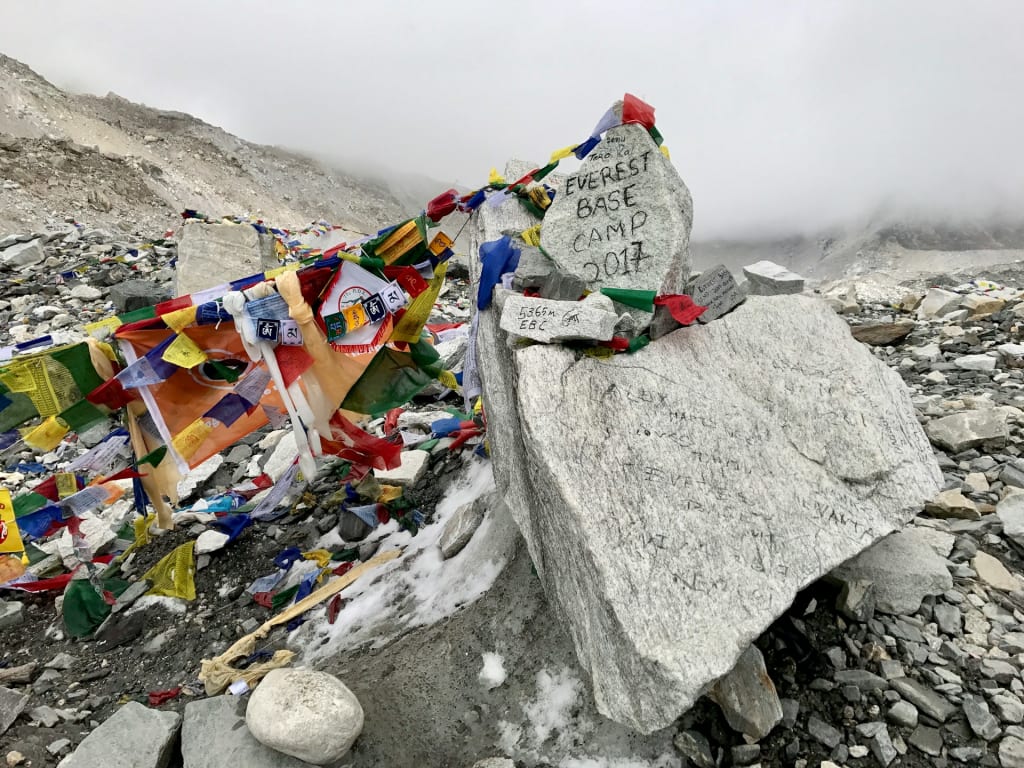
The Everest Base Camp (EBC) Trek is one of the most iconic treks in the world, attracting adventurers from all over the globe who seek to witness the breathtaking beauty of the Himalayas and stand at the foot of the world’s highest mountain. Here’s a comprehensive guide to help you plan your journey to Everest Base Camp, ensuring that your adventure is safe, memorable, and enjoyable.
What is the Everest Base Camp Trek?
The Everest Base Camp Trek is a trekking route that takes you through the Everest region of Nepal, leading up to the base camp of Mount Everest, located at an altitude of 5,364 meters (17,598 feet). This trek offers awe-inspiring views of towering peaks, glaciers, and the Sherpa culture, making it a favorite among trekkers and mountaineers alike.
Key Highlights of the Everest Base Camp Trek
Everest Views: The trek offers spectacular views of Mount Everest, Lhotse, Nuptse, Makalu, and other Himalayan giants.
Tengboche Monastery: One of the most famous landmarks in the region, Tengboche Monastery is nestled among towering peaks and offers a serene atmosphere for reflection.
Kala Patthar: A popular viewpoint that offers stunning panoramic views of Mount Everest and the surrounding peaks, ideal for photography.
Sherpa Culture: Along the trek, you’ll pass through Sherpa villages like Namche Bazaar, where you’ll experience the culture, hospitality, and unique way of life of the local people.
The Everest Base Camp Trek Route
The trek typically takes around 12-14 days to complete, depending on the route and pace. Below is a basic outline of the trekking route:
Day 1: Fly to Lukla (2,860m) and Trek to Phakding (2,610m)
After a scenic flight from Kathmandu to Lukla, you begin your trek, walking through the lower Khumbu valley to Phakding. This is an easy introduction to the trek.
Day 2: Trek to Namche Bazaar (3,440m)
The trail takes you through beautiful forests of pine and rhododendron, crossing suspension bridges along the way. The climb up to Namche Bazaar is steep, but the view of Everest and the surrounding peaks is a rewarding sight.
Day 3: Acclimatization Day in Namche Bazaar
It's important to rest and acclimatize to avoid altitude sickness. Namche Bazaar has plenty of shops, cafes, and cultural sights to explore. A short hike to the Everest View Hotel offers a stunning panoramic view of the Everest region.
Day 4: Trek to Tengboche (3,860m)
From Namche, the trail takes you through lush forests and offers a glimpse of Everest and other peaks. Tengboche Monastery, located here, is a highlight of this day.
Day 5: Trek to Dingboche (4,410m)
The trek continues through the beautiful alpine landscape, with views of Ama Dablam, one of the most beautiful peaks in the region. Dingboche is a small village that provides a great spot to rest and acclimatize.
Day 6: Acclimatization Day in Dingboche
Spend the day resting and acclimatizing. You can take a short hike to the ridge above Dingboche for views of Makalu, Lhotse, and other peaks.
Day 7: Trek to Lobuche (4,940m)
The trail to Lobuche passes through high-altitude terrain, offering striking views of glaciers and snow-capped peaks. You'll reach Lobuche, where you’ll stay overnight before the final push toward Base Camp.
Day 8: Trek to Everest Base Camp (5,364m)
Today is the big day! Trekking to Everest Base Camp is the highlight of the trip. The path is rugged and rocky, but the view of Everest's south face, Khumbu Glacier, and the surrounding peaks is unforgettable.
Day 9: Hike to Kala Patthar (5,545m) and Trek Back to Pheriche (4,371m)
In the early morning, you can hike to Kala Patthar for the best panoramic views of Mount Everest and the surrounding mountains. After taking in the views, descend to Pheriche for a well-deserved rest.
Day 10: Trek to Namche Bazaar
Retrace your steps back to Namche Bazaar, where you can relax and enjoy the final days of your trek.
Day 11: Trek to Lukla
The final leg of the trek takes you back to Lukla. Celebrate your achievement before taking the flight back to Kathmandu.
Best Time to Trek Everest Base Camp
The best times to trek to Everest Base Camp are during the pre-monsoon (March to May) and post-monsoon (September to November) seasons. During these months, the weather is generally stable, with clear skies and moderate temperatures. The monsoon season (June to August) can bring heavy rainfall, making trails slippery and visibility poor. Winter (December to February) is less ideal due to the cold temperatures and the potential for snowstorms.
Preparing for the Everest Base Camp Trek
Physical Fitness: The EBC Trek is physically demanding, especially at higher altitudes. It’s important to train before your trip by hiking, running, or engaging in aerobic exercises to build stamina and strength.
Altitude Acclimatization: Altitude sickness is a real risk in the Everest region. Be sure to follow the acclimatization process, take it slow, and drink plenty of water.
Packing: Pack light but make sure to bring appropriate gear for cold weather, rain, and high altitudes. Essential items include trekking shoes, a good sleeping bag, warm clothing, sunscreen, and a first aid kit.
Travel Insurance: It's highly recommended to have travel insurance that covers high-altitude trekking and emergency evacuation.
Final Thoughts
The Everest Base Camp Trek is a once-in-a-lifetime experience, combining breathtaking natural beauty, rich cultural encounters, and the thrill of standing in the shadow of the world’s highest peak. With proper preparation, a good guide, and a steady pace, you can have an unforgettable adventure in the heart of the Himalayas. Whether you're there to challenge yourself physically, connect with nature, or learn about the Sherpa culture, this trek will leave you with memories that last a lifetime.
About the Creator
Enjoyed the story? Support the Creator.
Subscribe for free to receive all their stories in your feed.
Comments
There are no comments for this story
Be the first to respond and start the conversation.