
Europe’s Wildfire Crisis: How Extreme Heat Is Turning Summer Into a Disaster
Europe’s 2026 wildfire crisis is being fueled by extreme heat, prolonged drought and dry conditions, putting communities, forests, tourism and public health at growing risk.
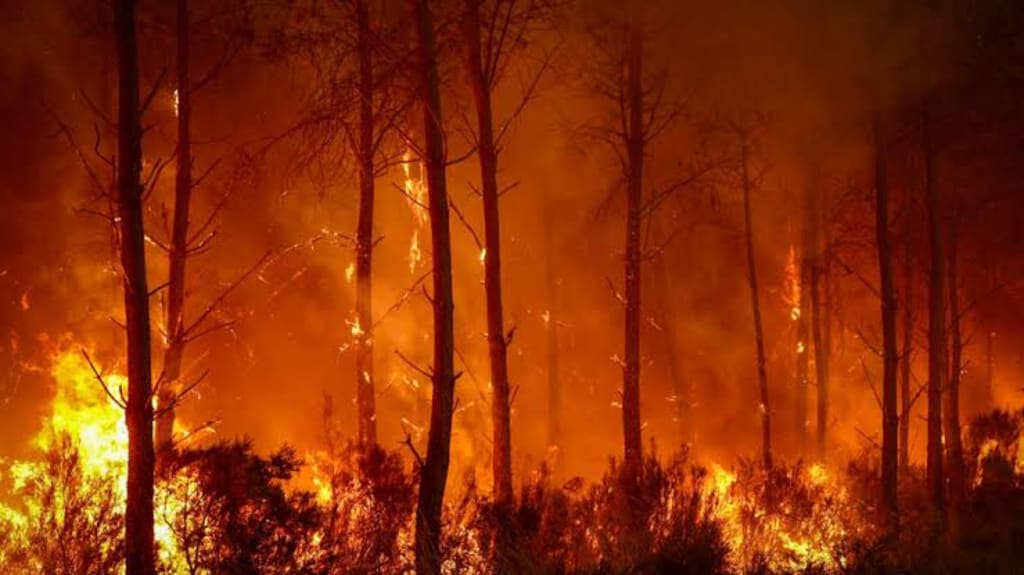
Europe is facing one of the most challenging wildfire seasons of recent years as repeated heatwaves, prolonged drought and extremely dry vegetation create dangerous conditions across the continent. From France and Spain to Greece, Croatia, Germany and the United Kingdom, firefighters are battling blazes while thousands of residents and tourists have been forced to evacuate.
The crisis has intensified during August 2026, with another wave of extreme heat affecting large parts of Europe. The United Kingdom recorded a temperature of 38.1°C in London on August 13, its hottest day of the year so far, while France and other parts of western Europe continued to experience exceptionally high temperatures.
A Summer of Extreme Heat
The combination of heat and drought is creating a perfect environment for wildfires. When months of limited rainfall leave forests, grasslands and agricultural areas extremely dry, even a small ignition can develop into a rapidly spreading fire.
According to the EU’s Copernicus Climate Change Service, prolonged hot and dry conditions in western Europe during July helped wildfires spread and intensify. Copernicus also reported exceptionally high global ocean temperatures during the same month, highlighting the wider scale of the climate extremes being observed in 2026.
The problem is not limited to one country. Spain, France, Italy, Portugal and Greece have all experienced significant wildfire activity this year. Data reviewed by Euronews showed that Spain had recorded almost 186,000 hectares burned by early August, representing about 38% of the EU total in its comparison. France had recorded more than 99,000 hectares, making 2026 its worst year since 2012 in that dataset.
Communities Forced to Evacuate
Wildfires become particularly dangerous when they reach populated areas. In recent weeks, residents and holidaymakers have been evacuated from several European regions.
A Reuters report published on August 14 described fires affecting tourist regions in Croatia, Germany, France and Greece. In Croatia, a fire near Omis resulted in the evacuation of around 1,000 people, while dozens were hospitalized. In western Germany, more than 2,000 people were evacuated because of a fire near the Belgian border.
Tourism is especially vulnerable because many popular destinations are located near forests, mountains and Mediterranean vegetation. During peak summer travel, large numbers of visitors can complicate evacuation operations and place additional pressure on local emergency services.
Spain and France Among the Hardest Hit
Spain has been one of the most severely affected countries this summer. Large fires have burned extensive areas, damaged homes and forced communities to leave their properties.
A major wildfire in southwestern Spain near Niebla intensified in August as strong winds and extreme heat made firefighting more difficult. Reuters reported that the blaze covered nearly 20,000 hectares, while hundreds of residents were evacuated from threatened areas.
France has also experienced an exceptionally severe season. Large fires in the southwest have threatened homes and communities, while prolonged heat and drought have left vegetation highly vulnerable to ignition.
The scale of the crisis demonstrates that wildfires are no longer simply a rural problem. They increasingly affect cities, transportation networks, tourism, agriculture, energy infrastructure and household finances.
The Climate Change Connection
Scientists have warned that climate change is making the conditions that support extreme wildfires more likely. Europe is warming rapidly, and hotter temperatures increase evaporation, dry out vegetation and can extend the length of the wildfire season.
A World Weather Attribution analysis found that months of drought and periods of extreme heat had combined to create conditions favorable for widespread and intense wildfires in western Europe, particularly France and Spain.
This does not mean that every individual fire is directly caused by climate change. Fires can begin through natural causes, accidents or deliberate ignition. However, hotter and drier background conditions can make fires spread faster and become harder to control.
Economic and Health Consequences
The damage caused by wildfires extends far beyond burned forests.
Homes and businesses can be destroyed, agricultural production can be disrupted and tourist destinations can lose income during the busiest part of the year. Roads and railways may also be closed, while governments face significant costs for firefighting, evacuation and reconstruction.
Smoke creates another major concern. Wildfire pollution can worsen respiratory problems and affect people far from the actual flames. Extreme heat itself also increases health risks, particularly for older adults, children and people working outdoors.
Drought creates additional pressure. Reuters reported that severe drought across Europe is affecting agriculture, waterways, energy production and public health.
Europe Needs a New Approach
The growing wildfire threat means governments may need to focus not only on fighting fires but also on preventing them.
Better forest management, improved early-warning systems, stronger emergency planning and carefully designed evacuation routes can help protect communities. Authorities can also use satellites, drones and other technologies to identify fires at an early stage.
Long-term climate adaptation will be equally important. Cities and rural communities need plans for increasingly hot summers, while water resources must be managed carefully during prolonged droughts.
The European wildfire crisis of 2026 is therefore more than a story about flames and smoke. It is a warning about how extreme weather can affect almost every part of modern life.
As Europe moves through another period of intense summer heat, the central question is no longer whether wildfires can happen. It is whether communities, governments and infrastructure are prepared for a future in which extreme heat and drought may become increasingly difficult challenges.
Conclusion
Europe’s 2026 wildfire season has demonstrated the destructive combination of extreme heat, drought and dry vegetation. Thousands of people have faced evacuation, vast areas of land have burned and important economic sectors have come under pressure.
The immediate priority remains protecting lives and supporting firefighters. But the longer-term challenge is preparation. With climate conditions changing, Europe will need stronger prevention strategies, resilient communities and better management of forests and water resources.
The fires burning today may eventually be extinguished, but the lessons they leave behind will remain important for Europe’s future.
SEO Keywords: Europe wildfires 2026, European heatwave, extreme heat Europe, Spain wildfires, France wildfires, Greece wildfires, climate change, drought in Europe, wildfire crisis, European climate crisis.
About the Creator
Enjoyed the story? Support the Creator.
Subscribe for free to receive all their stories in your feed.
Comments
There are no comments for this story
Be the first to respond and start the conversation.