
Energy Convervation: Tips
What can I do to contribute to energy conservation?
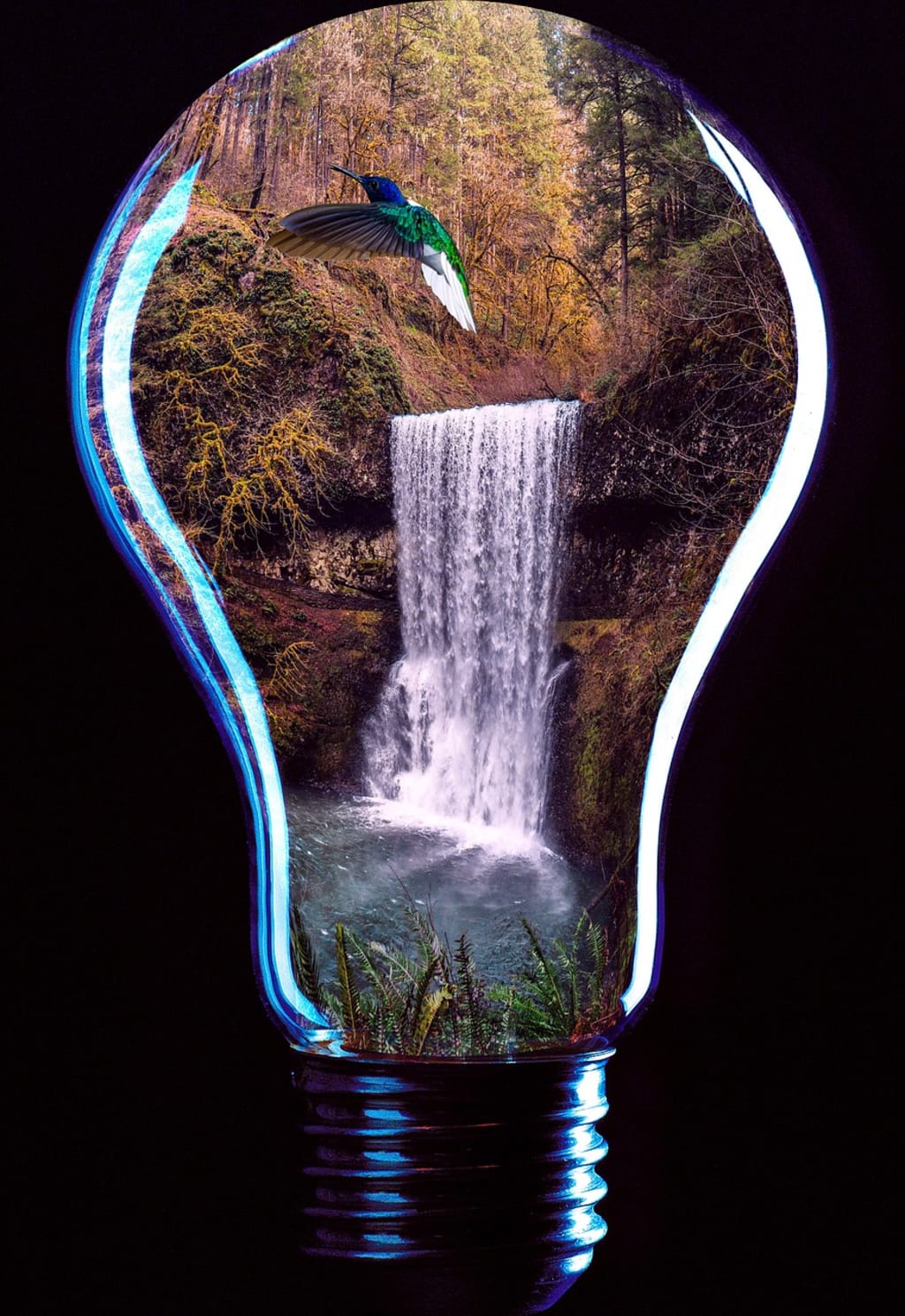
Energy conservation is a fundamental concept in the field of energy management and sustainability. It refers to the practice of reducing the overall consumption of energy resources by using less energy to achieve the same level of energy services or perform the same tasks. The primary goal of energy conservation is to minimize energy waste and promote responsible and sustainable energy use. Here's a deeper explanation of energy conservation:
Reducing Energy Waste: Energy conservation focuses on identifying and eliminating sources of energy waste in various sectors, including residential, commercial, industrial, and transportation. This entails recognizing areas where energy is used inefficiently or unnecessarily and taking steps to rectify these issues.
Changing Behavior and Practices: A significant part of energy conservation involves changing human behavior and practices to reduce energy consumption. This can include simple actions like turning off lights when not in use, unplugging electronic devices, and using public transportation or carpooling instead of driving alone.
Efficiency Improvements: While energy conservation primarily emphasizes behavioral changes, it can also involve optimizing the efficiency of energy-consuming systems and equipment. This might entail proper maintenance, tuning, and retrofitting to ensure that appliances, HVAC systems, lighting, and other devices operate at peak efficiency.
Residential Energy Conservation: In homes, energy conservation measures may include improving insulation, sealing air leaks, upgrading to energy-efficient appliances, using programmable thermostats, and adopting energy-efficient lighting technologies like LED bulbs. These actions help reduce energy consumption while maintaining comfort and functionality.
Commercial and Industrial Energy Conservation: In commercial and industrial settings, energy conservation often involves conducting energy audits to identify energy-saving opportunities, implementing process improvements, and adopting advanced technologies. This can result in significant energy and cost savings while maintaining or improving productivity.
Environmental Benefits: Energy conservation is closely linked to environmental sustainability. By reducing energy consumption, individuals, businesses, and organizations can lower greenhouse gas emissions, reduce their carbon footprint, and contribute to efforts to combat climate change.
Economic Benefits: Energy conservation can lead to substantial cost savings over time. By using less energy, individuals and organizations can lower their energy bills, which can free up resources for other purposes or investments.
Policy and Incentives: Many governments and organizations implement policies and offer incentives to promote energy conservation. These may include tax credits, rebates, and energy efficiency standards for appliances and buildings.
Long-Term Sustainability: Energy conservation is an essential component of achieving long-term energy sustainability. As energy resources are finite, reducing energy waste and using energy more efficiently are critical for ensuring a stable and reliable energy supply for future generations.
In conclusion, energy conservation is a proactive approach to managing energy resources wisely. It involves a combination of behavioral changes, efficiency improvements, and responsible energy use practices to reduce energy consumption, lower costs, and mitigate environmental impacts. It is a fundamental principle in the transition toward a more sustainable and energy-efficient future.
How can I contribute to energy conservation?
Contributing to energy conservation is a meaningful way to reduce your environmental impact and save money on energy bills. Here are several ways you can actively participate in energy conservation efforts:
Reduce Energy Use at Home:
Upgrade to Energy-Efficient Appliances: Replace old, inefficient appliances with energy-efficient models bearing the ENERGY STAR label.
Use LED Lighting: Replace incandescent bulbs with LED or CFL (compact fluorescent) bulbs, which use significantly less energy and last longer.
Seal Leaks: Weatherstrip doors and windows, insulate your home, and seal gaps and cracks to prevent drafts and reduce heating and cooling energy consumption.
Install a Programmable Thermostat: Use a programmable thermostat to automatically adjust your home's temperature settings when you're not at home or asleep.
Turn Off Lights and Devices: Develop the habit of turning off lights, electronics, and appliances when not in use.
Reduce Hot Water Usage: Set your water heater to an energy-efficient temperature (typically around 120°F or 49°C) and fix any leaks. Consider using cold water for laundry and using low-flow showerheads.
Reduce Transportation Energy Use:
Use Public Transportation: Opt for public transportation, carpooling, or ridesharing to reduce fuel consumption and emissions.
Drive Efficiently: Maintain your vehicle properly, and adopt fuel-efficient driving habits like maintaining a steady speed and avoiding aggressive acceleration and braking.
Consider Alternative Transportation: Explore options like biking, walking, or using electric scooters for short trips when feasible.
Conserve Energy at Work or School:
Use Energy-Efficient Lighting: Encourage the use of energy-efficient lighting and turn off lights in unoccupied spaces.
Unplug Electronics: Turn off and unplug electronics, chargers, and appliances when not in use, as many devices continue to consume energy when in standby mode.
Reduce Water Heater Energy Use:
Insulate Your Water Heater: Insulate your water heater to reduce heat loss and maintain hot water at a consistent temperature.
Support Renewable Energy:
Choose Green Energy Providers: Consider switching to energy providers that offer renewable energy sources, like wind or solar power.
Reduce Air Travel: If possible, limit air travel or explore alternatives like video conferencing for business meetings and vacations closer to home.
Advocate for Energy Conservation:
Educate Others: Share information about energy conservation with friends, family, and colleagues to raise awareness.
Support Energy-Efficient Policies: Advocate for policies and regulations that promote energy efficiency and renewable energy adoption in your community and beyond.
Participate in Energy Efficiency Programs:
Home Energy Audits: Schedule a home energy audit to identify areas where your home can be more energy-efficient.
Government Incentives: Research government incentives, rebates, and tax credits for energy-efficient home upgrades and renewable energy installations.
Reduce Food Waste: Energy is used to produce, transport, and store food. Minimize food waste by planning meals, using leftovers, and composting food scraps.
Monitor and Track Energy Use: Use energy monitoring tools and smart meters to keep track of your energy consumption and identify areas where you can make improvements.
By implementing these energy conservation practices in your daily life, you can reduce your carbon footprint, save money, and contribute to a more sustainable future.
About the Creator
Enjoyed the story? Support the Creator.
Subscribe for free to receive all their stories in your feed.
Comments
There are no comments for this story
Be the first to respond and start the conversation.