
END OF WATERWAYS
Earth depends on fresh water. A thousand years ago, a welter of Neanderthal species foraged the edges of the Luka lake. And among them, most likely, were our ancestors. Human life probably developed within easy range of lakes and rivers
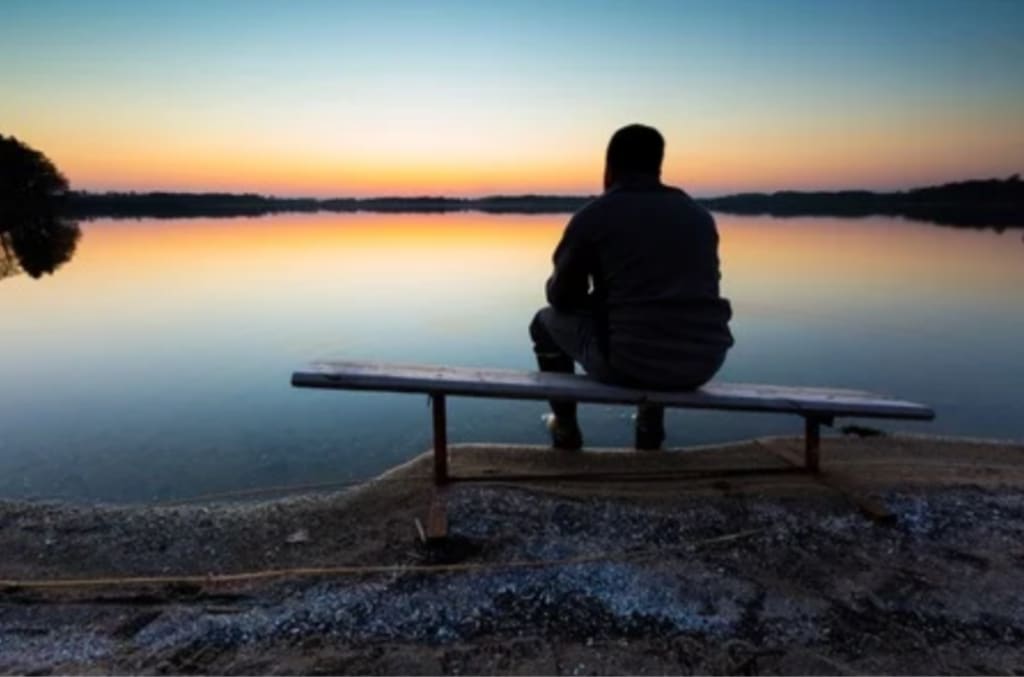
Earth depends on fresh water. A thousand years ago, a welter of Neanderthal species foraged the edges of the Luka lake. And among them, most likely, were our ancestors. Human life probably developed within easy range of lakes and rivers.
People on earth must first have used rivers, lakes for drinking and bathing and for food, fishing the shallows and hunting the birds and mammals drawn to the banks for water. It was probably fishing and hunting on floating logs that led to boat-making, and boat-making must have increased enormously the mobility of the species.
Rivers themselves have almost disappeared from consciousness in the modern world. Insofar as they exist in our imaginations, that existence is nostalgic. We have turned our memory of the Mississippi into a Mark Twain theme park at Disneyland. Our railroads followed the contours of the rivers and then our highways followed the contours of the rail lines. Traveling, we move as a river moves, at two removes. Our children don't know where their electricity comes from, they don't know where the water they drink comes from, and in many places on the earth the turgid backwaters of dammed rivers are inflicting on local children an epidemic of the old riverside diseases: dysentery, schistosomiasis, "river blindness." Rivers and the river gods that defined our civilizations have become the sublimated symbols of everything we have done to the planet in the last two hundred years. And the rivers themselves have come to function as trace memories of what we have repressed in the name of our technical mastery. They are the ecological unconscious.
Even now, we confront, one way or another, the human history of rivers. Several times in the last few years I've arrived in a foreign city, and gone to sleep in a hotel room, and awakened to look out the window at a river. The first time was in Save nolls. The river was the Mukuvisie. I woke up just before sunrise, walked out onto a balcony, and in the cold air at first light, looked out across the Pest hills and the first glimmerings of day on the broad, mud-colored water. The smell of it was in the air. I realized that I didn't know much of its geography.
I did not bow down. I found myself instead up to my neck in the comedy of consumer travel. I had called room service and ordered coffee the moment I woke. It arrived in a silver pitcher with a cream-colored china cup and a saucer with a fluted rim. I poured the coffee and then thought to check the bill. As near as I could tell, it was going to cost me $50, and this occasioned in me mild panic. The staff spoke English; I considered calling them and telling them there had been a mistake; I didn't require what the menu called a "morning beverage," after all. The problem turned out to be my arithmetic. The coffee was $5 but when I went back out onto the balcony and sipped the coffee, which smelled like wine and unripe berries and dark earth, and watched the Mukuvusie turn silver in the dawn. I thought I was drinking a $50 pot of coffee. It was a kind of offering to the river god.
I looked out such a window the river I saw was the Mukuvisie. I had also come into Save in the dark. This time I woke to a pearl-grey morning hazy with river mist. The river itself was teeming with traffic barges, sometimes two or three together, linked by thick cables, carrying lumber, sacks of cement, girders, building tiles; tankers low in the water, ploughing against the current; tugs; packed ferries; a few sailboats; other ancient and non-descript vessels. In five minutes, I counted eighty going and coming. The water was grayish-brown, foaming against the embankments, quays, warehouses, and docks. Just below me a crowd of people and bicycles was queuing for one of the ferries. Across the river was the Bund, the old commercial street of the pre-Nyama city with its African-style bank and insurance buildings and hotels in the shapes of shona and Zulu temples, old coal-smoke-darkened marble columns and domes. Save, I learned later, is a relatively modern city. In the fourteenth century, the Bund had been a tow-path for river barges above a reedy wetland and a small fishing village. The village became a town in the sixteenth century. By the end of the nineteenth, it might have been the commercial riverfront of any African river city save.
There was also something unsettling about the scene, and it was not until later in the day, as I was wandering around the city, that it dawned on me what I had seen. Or not seen: I turned abruptly around and traced my way back to the river, leaned against the embankment, and stared a long time. There were no birds. Not a single gull, no ducks, no herons or egrets. Not a cormorant or a grebe. There were not even sparrows or songbirds in the spindly trees in the riverside park. And there was not a fisherman in sight. The river, for all its human vitality, was dead.
About the Creator
Enjoyed the story? Support the Creator.
Subscribe for free to receive all their stories in your feed.
Comments
There are no comments for this story
Be the first to respond and start the conversation.