
Embracing Sustainable and Organic Farming: Cultivating India's Agricultural Future
It is a transformative path that holds immense promise for the future of Indian agriculture, paving the way for a greener, healthier, and more prosperous nation.

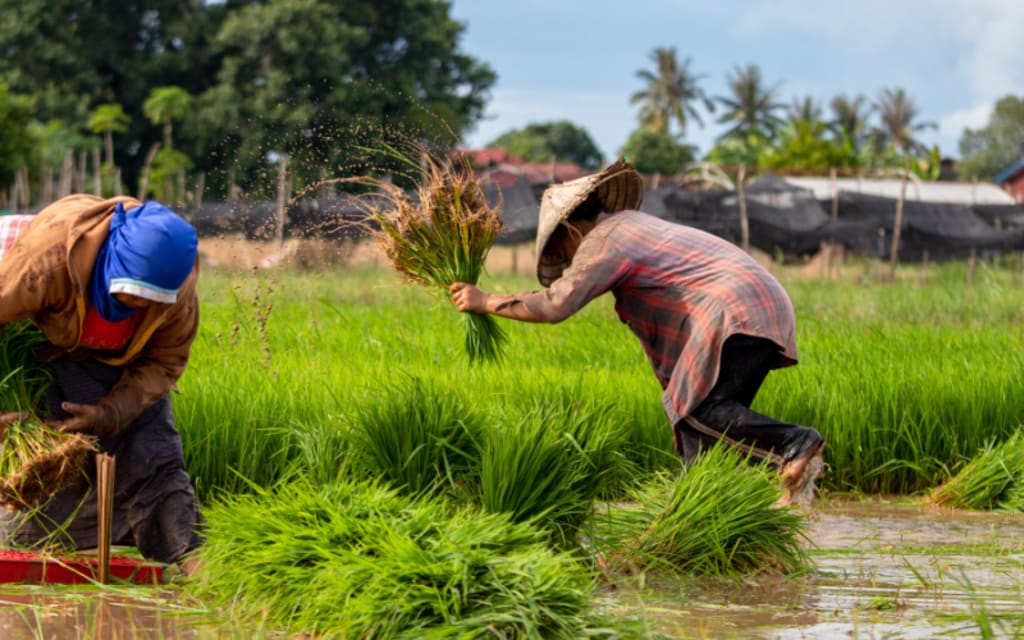
Introduction:
Agriculture has been the backbone of India's economy for centuries, providing sustenance and livelihoods to millions of people. However, the traditional practices of farming have faced numerous challenges in recent years, such as soil degradation, water scarcity, and the overuse of chemical inputs. In response to these issues, the need for sustainable practices and organic farming has gained momentum, promising a more environmentally friendly and resilient agricultural future for India.
The Importance of Sustainable Agriculture:
Sustainable agriculture is a holistic approach that aims to address the environmental, economic, and social aspects of farming. It emphasizes the responsible use of natural resources, promotes biodiversity, and mitigates the impact of agriculture on climate change. In India, where agriculture is heavily dependent on monsoon rains and vulnerable to climate variability, sustainable practices are crucial for long-term food security.
Key Sustainable Farming Practices:
Conservation Agriculture: This practice involves minimizing soil disturbance, maintaining soil cover, and practicing crop rotation. By reducing soil erosion and improving soil health, conservation agriculture conserves water, enhances nutrient retention, and promotes overall sustainability.
Agroforestry: Integrating trees with crops or livestock not only provides additional income streams but also contributes to soil fertility, carbon sequestration, and biodiversity conservation. Agroforestry systems, such as alley cropping and windbreaks, help create microclimates that benefit both crops and livestock.
Precision Farming: Using technology and data-driven approaches, precision farming optimizes the use of resources like water, fertilizers, and pesticides. Techniques like drip irrigation, remote sensing, and variable rate application systems enable farmers to minimize waste, increase productivity, and reduce environmental impact.
Organic Farming: A Sustainable Pathway:
Organic farming is a specific form of sustainable agriculture that eliminates the use of synthetic inputs such as chemical fertilizers, pesticides, and genetically modified organisms (GMOs). Instead, it relies on natural processes, crop rotation, composting, and biological pest control methods. Organic farming practices not only protect the environment but also produce healthier food with higher nutritional value.
India's Organic Farming Initiatives:
Recognizing the significance of organic farming, the Government of India has taken notable steps to promote its adoption. The National Program for Organic Production (NPOP) provides guidelines and certification processes for organic farmers, ensuring the integrity of organic produce. Additionally, various government schemes offer financial incentives, training programs, and market support to encourage farmers to shift towards organic practices.
Benefits of Sustainable and Organic Farming:
Environmental Conservation: Sustainable and organic farming practices minimize soil erosion, conserve water, protect biodiversity, and reduce greenhouse gas emissions. They contribute to healthier ecosystems, improved soil fertility, and preservation of natural resources for future generations.
Human Health and Food Safety: By eliminating the use of chemical inputs, organic farming produces food that is free from harmful residues. This helps reduce the risk of health issues associated with pesticide exposure, ensuring safer and healthier food for consumers.
Economic Viability: Sustainable and organic farming practices can increase farm profitability in the long run. Organic produce commands premium prices in domestic and international markets, providing farmers with better economic returns and opportunities for rural development.
Some companies such as Agroniv are trying to change the scenario in the farming sector by providing superior quality organic agro products to farmers.
Conclusion:
In India, the transition to sustainable practices and organic farming is not just a choice but a necessity. As climate change impacts become more pronounced, the adoption of these practices becomes crucial for the resilience and sustainability of the agricultural sector. By embracing sustainable agriculture, India can secure its food supply, protect the environment, and improve the well-being of farmers and consumers alike. It is a transformative path that holds immense promise for the future of Indian agriculture, paving the way for a greener, healthier, and more prosperous nation.
About the Creator
agro niv
Agroniv is an Agriculture Bio-Technology company in India. established in the year 2018 with the goal of achieving a revolution in the Agricultural Sector by manufacturing and supplying superior-quality
Enjoyed the story? Support the Creator.
Subscribe for free to receive all their stories in your feed.
Comments
There are no comments for this story
Be the first to respond and start the conversation.