
Electric Boiler vs Gas Boiler: Which is Best for Your Home?
Explore the Key Differences Between Electric and Gas Boilers to Find the Best Heating Solution for Your Home

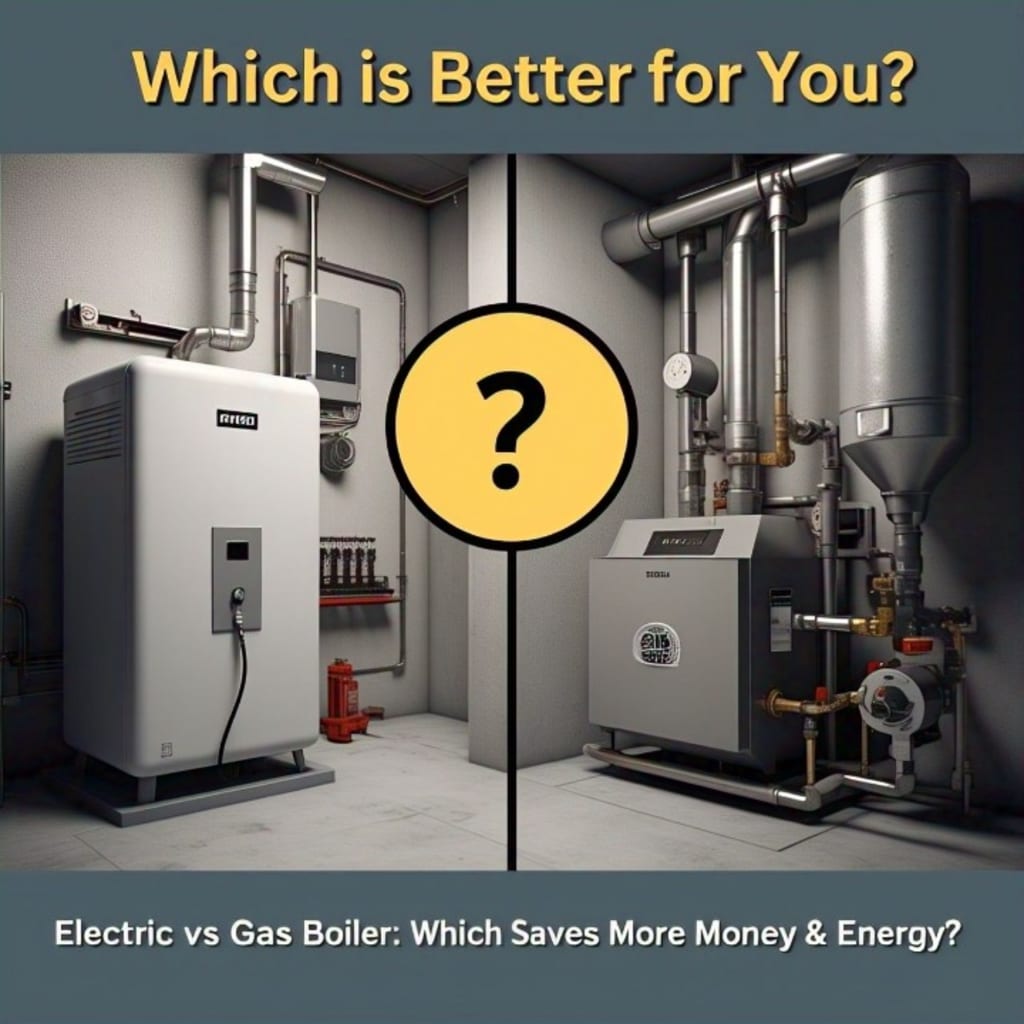
When it comes to heating your home, choosing an electric boiler or a gas boiler is essential. They both have advantages and disadvantages; however, knowledge of the different operating costs, environmental impacts, and efficiencies can help make sense of what might otherwise seem confusing.
For those looking for energy-efficient home heating solutions, check out the Government Free Boiler Scheme to see if you qualify for a free boiler upgrade.
What is an Electric Boiler?
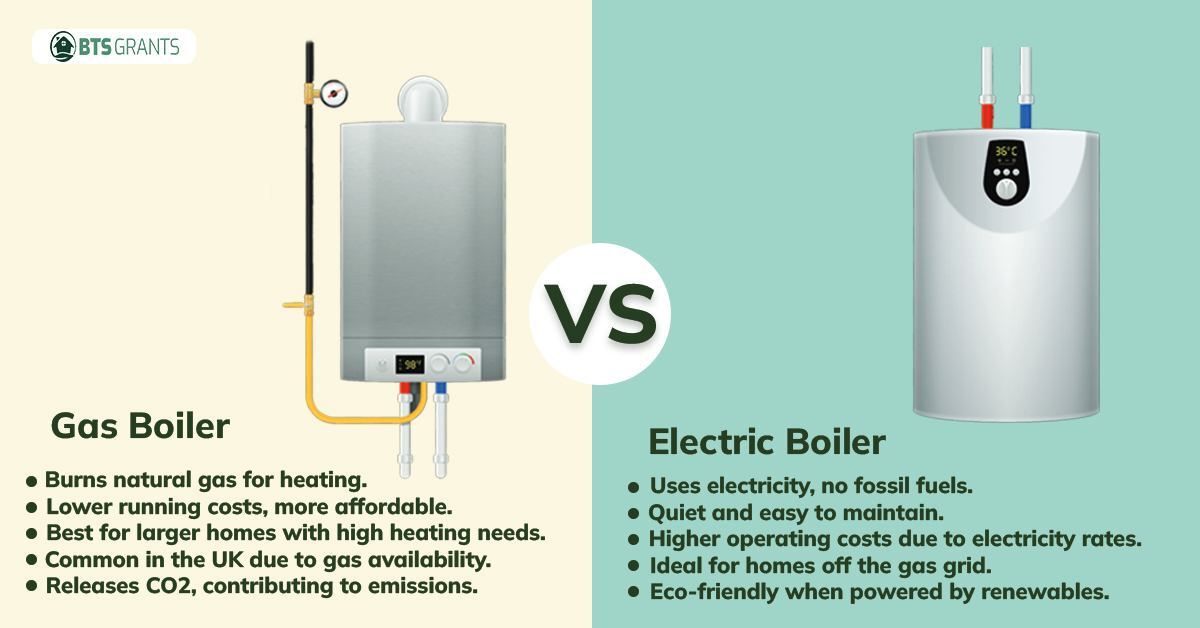
Electric boilers are heated via electricity. They are thus more popular for houses lacking a gas connection - compact, easy to install and environmentally friendly because they are powered by natural sources like sunlight or wind power, which means the West avoids importing electricity from further afield yen born gases into our skies on takes many forms.! While they’re highly efficient, with up to 99% of electricity converted into heat, their operating costs are typically higher due to the cost of electricity.
What is a Gas Boiler?
Gas boilers use natural gas to generate heat, which is usually more affordable than electricity. They’re ideal for larger homes with higher heating demands and are cheaper to install. However, they release CO2 and other pollutants, contributing to environmental concerns. While they’re more cost-effective in terms of running costs, they rely on fossil fuels, making them less eco-friendly.
This widespread availability has made gas boilers the go-to option for central heating grants in homes across the UK.
Pros and Cons of Electric vs Gas Boilers
Efficiency
Electric Boilers: Up to 99% efficiency
Gas Boilers: 89–95% efficiency
Environmental Impact
Electric Boilers: Zero direct emissions (if powered by renewables)
Gas Boilers: CO2 emissions from fossil fuels
Running Costs
Electric Boilers: Higher due to electricity prices
Gas Boilers: Lower, as gas is cheaper
Maintenance:
Electric Boilers: Low, minimal parts
Gas Boilers: Higher, due to more components
Installation
Electric Boilers: Easier. No gas connection is needed
Gas Boilers: Complex, requires a gas connection
Heating Capacity
Electric Boilers: Best for small to medium homes
Gas Boilers: Best for larger homes
Environmental Impact of Electric vs Gas Boilers
There are significant differences between electric and gas boilers when considering the environmental impact.
Electric Boilers: A Green Alternative
Electric boilers release zero direct carbon emissions, making them a much cleaner option, primarily when powered by renewable energy sources. For example:
Solar Panels: Combining your electric boiler with solar panels can significantly reduce your carbon footprint.
Wind Energy:
Another tremendous renewable energy source that can power your electric boiler cleanly.
Although electric boilers are considered more eco-friendly, the environmental impact depends on the source of the electricity:
Grid-Supplied Electricity: If your electric boiler uses electricity from the national grid, it may still rely on fossil fuels for part of its power, slightly increasing its carbon footprint.
Gas Boilers: Fossil Fuels and Emissions
While effective, gas boilers rely on natural gas, a fossil fuel. Burning gas releases CO2 and other harmful emissions, contributing to climate change. Though modern gas boilers are more efficient than older models, they still produce harmful emissions:
CO2 Emissions: The primary concern is the greenhouse gases produced by burning natural gas.
Environmental Concerns: As the world moves toward sustainable solutions, gas boilers are less favoured due to their ecological impact.
Installation Costs: Electric vs Gas Boilers
Electric Boiler Installation
Electric boilers are cheaper to install than gas boilers. They don’t require complex plumbing or ventilation systems; installation is typically quicker and easier. The cost of installing an electric boiler generally ranges from £500 to £1,500, depending on the unit’s size and your location.
Gas Boiler Installation
Gas boiler installations are more expensive, often costing between £1,200 and £3,500. This higher cost is due to the need for gas connections, flue systems, and ventilation. Installation is also more complex, especially if the property doesn’t already have the necessary infrastructure in place.
Conclusion
Whether you have to choose between an electric or gas boiler depends on your specific needs. An electric boiler could be the right choice if you place a premium on environmental sustainability, such as access to renewable energy. However, if cost-efficiency and a larger heating capacity have been your goals all this time, a gas boiler is probably what you're looking for. This is especially true for larger homes.
To find the most appropriate home heating solution, consider the size of your house, idyllic heating aims, and green energy plans at just the right level.
For additional info regarding the electric boiler vs gas boiler central heating system, click here for complete information about
👉 “Electric vs Gas Boiler: Which Saves More Money & Energy?”
About the Creator
james butteler
My name is James Buttler, and I'm a content writer and SEO specialist at BTS Grants. Our organization helps UK households access government-funded energy grants to make their homes more energy-efficient and reduce carbon emissions.
Enjoyed the story? Support the Creator.
Subscribe for free to receive all their stories in your feed.
Comments
There are no comments for this story
Be the first to respond and start the conversation.