
Ecological Reshaping of Green Agriculture
Synthesizing Biomass Carbonization Technology with the UN Sustainable Development Goals
1. Value Leap of Agricultural Residues: A Strategic Transition Toward a Low-Carbon Future
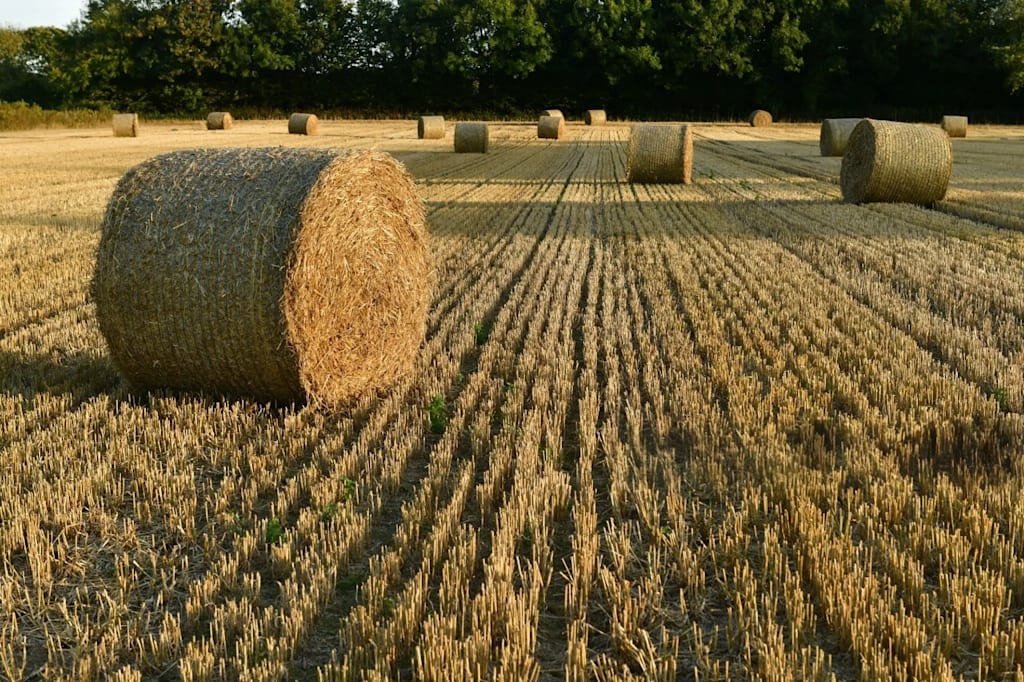
In traditional agricultural production, crop residues such as straw have long been treated as low-value "waste." Due to the lack of efficient conversion methods, massive quantities of straw are subjected to open-field burning. This traditional disposal method not only releases large amounts of fine particulate matter, greenhouse gases, and hazardous pollutants—severely degrading regional air quality—but also accelerates the depletion of soil organic matter, inflicting multi-layered damage on the ecosystem.
The integration of biomass valorization technology into modern agricultural and energy systems opens a brand-new, low-carbon pathway to resolve this dilemma. By deeply fusing pyrolytic mechanisms with ecological principles, lignocellulosic biomass—which otherwise poses a heavy environmental burden—is successfully converted into stable, carbon-dense materials within a controlled, oxygen-limited environment. This transformation represents a fundamental reconsideration of the linear "take-make-dispose" economic model. By establishing an ecological framework for resource management, it converts environmental pressure into a driver for green development, building a robust bridge between pollution control, carbon mitigation, and rural energy restructuring.
2. Circular Economy Perspectives on Biomass Valorization
2.1 Thermochemical Restructuring and the Carbonization Node
From a thermochemical perspective, the low-carbon transformation of biomass undergoes a series of complex structural reconfigurations. During this process, raw materials like straw pass through core stages including dehydration drying, pyrolytic cleavage, and controlled cooling. Within a sealed, high-temperature, and oxygen-limited reactor, the hemicellulose, cellulose, and lignin in the biomass undergo thermal bond cleavage, releasing volatile compounds while condensing into a solid product with high carbon density. The technical vehicle that successfully executes this precise control is the straw charcoal making machine. The successful operation of this system repositions agricultural residues from a traditional disposal liability into a core strategic asset for agricultural and energy systems.
2.2 Closed-Loop Material Cycling and Waste Diversion
Within a circular economy framework, this decentralized biomass conversion node fundamentally alters the traditional one-way waste trajectory. The resulting biochar exhibits a highly developed porous microstructure, an immense specific surface area, and an exceptionally high and stable fixed carbon content. These superior physicochemical properties render it an ideal natural material for soil amendment, water purification, and pollutant adsorption. Through this localized green technical cycle, the "end-point" of agricultural production is ingeniously transformed into the "starting-point" for ecological restoration. This significantly reduces reliance on linear waste disposal systems and maximizes closed-loop material mobility, aligning seamlessly with United Nations Sustainable Development Goal 12 (Responsible Consumption and Production).
3. Carbon Sequestration Mechanisms and Atmospheric Green Defense
3.1 Mitigation of Open-Field Burning
The prominent contribution of this technology to global climate governance is first reflected in its effective substitution for open-field burning. Open burning is a major driver of seasonal smog and episodic air quality degradation. Redirecting scattered agricultural biomass into controlled pyrolytic carbonization systems cuts off the unregulated emission of particulate matter at its source.
3.2 Emission Reduction and Secondary Energy Capture
Within the tightly sealed, oxygen-restricted pyrolytic environment, the biomass components do not undergo violent, complete combustion, which substantially lowers the instantaneous release of carbon dioxide and nitrogen oxides compared to open fire. Furthermore, the high-caloric volatile organic compounds generated during thermal decomposition are not vented into the atmosphere. Instead, they are captured, condensed, and purified through advanced processes, then redirected as renewable bioenergy to power the system itself. This internal energy self-balancing minimizes thermal loss and achieves a carbon-negative or low-carbon operational footprint.
3.3 Long-Term Carbon Sink Dynamics
A more critical ecological contribution lies in the profound carbon trapping and long-term sequestration effects. In contrast to raw plant tissues, which decompose rapidly and return carbon dioxide to the atmosphere within a short timeframe, the biochar produced via pyrolysis possesses high chemical inertness and extreme resistance to microbial degradation. When applied to soil matrices, it acts as a long-term carbon sink, remaining immobilized for centuries or even millennia. This ecological mechanism of capturing and locking atmospheric greenhouse gases underground provides a highly viable and economically sustainable technical blueprint for achieving United Nations Sustainable Development Goal 13 (Climate Action).
4. Restructuring Rural Eco-Economies and Distributed Renewable Energy Networks
4.1 Monetization of Agricultural Residues
Beyond its distinct ecological remediation benefits, the application of biomass carbonization technology profoundly reshapes the economic architecture of rural societies. Agricultural regions often grapple with seasonal, localized surpluses of biomass that remain underutilized or idle. The deployment of this green technology establishes an innovative "waste-to-charcoal-to-green product" value chain, empowering farmers and rural cooperatives to monetize idle agricultural residues into economic dividends.
4.2 Clean Energy Transitions and Community Resilience
In building modern, distributed renewable energy networks, this technology plays an indispensable role. The high-efficiency solid fuel derived from agricultural residues can be widely utilized for daily cooking, winter heating, and small-scale industrial applications in rural and peri-urban areas, systematically replacing high-pollution bulk coal and unsustainably harvested fuelwood. This transition mitigates forestry degradation and protects local ecosystems while expanding access to clean, affordable energy sources for rural residents, embodying United Nations Sustainable Development Goal 7 (Affordable and Clean Energy).
4.3 Modular Scalability and Green Employment
Furthermore, the modular and scalable nature of this technology provides excellent adaptation flexibility. Small-scale agricultural cooperatives and grassroots communities can deploy these systems based on local biomass availability without requiring heavy capital investments in massive industrial infrastructure. This distributed green industrial model enhances localized economic resilience and generates green employment opportunities, injecting sustainable vitality into United Nations Sustainable Development Goal 8 (Decent Work and Economic Growth) in rural sectors.
5. Soil Matrix Regeneration and High-Resilience Sustainable Agriculture
5.1 Enhancing Soil Micro-Ecosystems
Biochar serves not only as a clean energy carrier but also as a core regenerative material for fixing degraded soil ecosystems. Its unique micro- and nano-scale porous structure significantly enhances soil aeration and provides an ideal micro-ecological sanctuary for beneficial soil microbes to proliferate. In exhausted, compacted, or degraded croplands, the application of biochar notably arrests fertility decline and enhances crop yield stability.
5.2 Nutrient Retention and Fertilizer Optimization
Owing to its high cation exchange capacity, this carbon-rich material efficiently adsorbs and locks in essential nutrients like potassium, calcium, and magnesium, drastically slowing down nutrient leaching caused by heavy rainfall or over-irrigation. This "slow-release" effect improves nutrient-use efficiency for crops while lowering the overall demand for synthetic fertilizers, preventing the subsequent eutrophication of groundwater. This supports the vision of United Nations Sustainable Development Goal 2 (Zero Hunger) regarding resilient and sustainable agricultural development.
5.3 Hydrological Buffering in Arid Zones
Moreover, the water-holding capacity of biochar is exceptionally pronounced in arid and semi-arid regions. It functions like a distributed network of "micro-ecological reservoirs" within the soil, absorbing water during wet spells and releasing it slowly during droughts. This hydrological buffering effect substantially increases crop tolerance against volatile weather patterns, standing as a core technical pillar for climate-smart agriculture.
6. Technological Evolution and Integration with Low-Carbon Industrial Models
6.1 Automation and Multi-Stage Thermal Feedback
Looking forward, biomass pyrolytic carbonization technology is evolving toward comprehensive automation, multi-stage energy coupling, and precision emission control. Modern systems integrate flue gas recirculation, multi-stage condensation separation, and high-efficiency thermal feedback loops to minimize heat loss and achieve a highly self-sustaining, closed-loop green thermal cycle.
6.2 Intelligent Process Optimization
Advanced intelligent control systems allow the core carbonization temperature to be locked precisely within target ranges (typically between 300°C and 600°C), modulating the biochar's porosity and carbon-fixation rate based on raw material characteristics. With the integration of sensor networks and AI-assisted optimization algorithms, next-generation biomass conversion systems will feature lower unit energy consumption and higher product uniformity. Hybrid configurations, such as combining solar-assisted drying with self-generated biomass thermal energy, signal that this technology is accelerating its integration into modern low-carbon or zero-carbon industrial and agricultural development frameworks.
7. Conclusion: A Strategic Choice Under Global Sustainability Blueprints
In conclusion, the widespread application of biomass carbonization technology is by no means a simple agricultural waste disposal measure; rather, it is a systemic revolution that integrates circular economies, ecological remediation, and rural vitalization. It elegantly resolves the environmental hazards brought by unregulated agricultural residue disposal, while opening a green avenue for converting low-value biomass into high-value carbon materials and clean energy carriers in an era of tightening global resource constraints.
By simultaneously driving multiple sustainable development goals on a macro scale, this technology has become an indispensable piece of the puzzle in modern green infrastructure and global climate adaptation strategies. It represents the strategic direction and wise practice of human society shifting from resource-depleting modalities toward modern, regenerative industrial ecosystems and highly resilient agricultural civilizations.
About the Creator
Enjoyed the story? Support the Creator.
Subscribe for free to receive all their stories in your feed.
Comments
There are no comments for this story
Be the first to respond and start the conversation.