
Earthquak
Unleashing Earth's Fury: Understanding Earthquakes and Their Impact
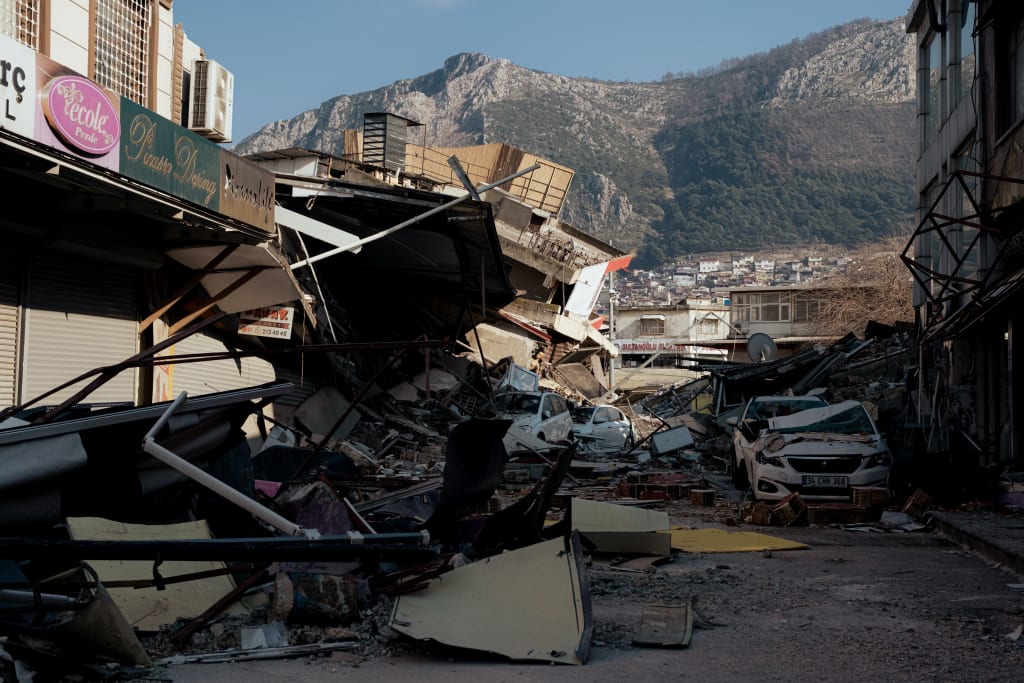
Earthquakes are one of the most awe-inspiring and devastating natural phenomena that occur on our planet. These intense episodes of ground shaking are a result of the Earth's dynamic nature, with immense tectonic forces constantly reshaping the landscape. This article delves into the science behind earthquakes, their causes, impacts, and the measures we can take to mitigate their destructive effects.
Understanding Earthquakes:
At its core, an earthquake is a sudden release of energy in the Earth's crust, leading to seismic waves that propagate through the ground. These waves, originating from a point of rupture called the focus or hypocenter, travel outward in all directions, causing the ground to shake. The epicenter, directly above the focus, is the point on the Earth's surface where the shaking is felt most strongly.
Tectonic Plate Movements:
Earthquakes are primarily a consequence of the constant movement and interaction of tectonic plates. The Earth's lithosphere, comprising several large and numerous smaller plates, floats atop the semi-fluid asthenosphere. The boundaries between these plates, known as plate boundaries, are the hotspots of seismic activity.
Types of Plate Boundaries:
There are three main types of plate boundaries: divergent, convergent, and transform. Divergent boundaries occur where plates move away from each other, resulting in the formation of new crust as magma rises to fill the gap. Convergent boundaries, on the other hand, form when plates collide, causing intense geological activity such as the subduction of one plate beneath another or the collision of two continental plates. Transform boundaries occur when plates slide past each other horizontally, often leading to significant friction and the sudden release of energy.
Causes of Earthquakes:
Earthquakes can be triggered by several factors. The most common cause is the accumulation and release of stress along faults, which are fractures in the Earth's crust. As tectonic plates move, stress builds up along these faults until it surpasses the strength of the rocks, resulting in an earthquake. Other causes include volcanic activity, when magma movement induces seismicity, and human activities such as mining, reservoir-induced seismicity, or underground nuclear tests.
Impacts and Effects:
The destructive power of earthquakes is undeniable. The severity of the impacts depends on various factors, including the magnitude, depth, distance from the epicenter, population density, and building resilience. Earthquakes can lead to ground shaking, surface ruptures, landslides, tsunamis, and secondary effects such as fires and infrastructure damage. The loss of lives, injuries, displacement, and economic consequences can be staggering, particularly in densely populated areas or regions with inadequate infrastructure.
Mitigation and Preparedness:
Efforts to mitigate the impacts of earthquakes involve a combination of engineering solutions, awareness, and preparedness. Building codes and standards play a crucial role in constructing structures capable of withstanding seismic forces. Retrofitting existing buildings and infrastructure is also essential. Early warning systems, seismic monitoring networks, and public education campaigns can help prepare communities and provide critical seconds or minutes of advance notice before an earthquake strikes, allowing people to take protective measures and emergency services to mobilize.
The Earth's Restless Nature:
The Earth is not a static entity but a dynamic planet in constant motion. Beneath its surface, the tectonic plates—giant slabs of rock—float on the semi-fluid mantle. Interactions between these plates, driven by the intense heat from the planet's core, give rise to earthquakes. The primary causes of earthquakes include tectonic plate movements, volcanic activity, and human-induced seismicity.
Anatomy of an Earthquake:
At the heart of an earthquake lies the focus, or hypocenter, which is the point of origin deep within the Earth where the seismic energy is released. The energy radiates in the form of seismic waves, which travel outward from the focus. The point directly above the hypocenter on the Earth's surface is called the epicenter. The severity of an earthquake is quantified using the Richter scale or the moment magnitude scale (Mw), which measures the amount of energy released.
Shaking the Ground: Types of Earthquakes:
Earthquakes can be categorized into three main types: tectonic, volcanic, and induced. Tectonic earthquakes occur due to the movement of tectonic plates along fault lines, such as the San Andreas Fault in California. Volcanic earthquakes are associated with volcanic activity, where the movement of magma and gases causes the ground to shake. Induced earthquakes, on the other hand, result from human activities like mining, hydraulic fracturing ("fracking"), or the construction of large dams.
The Unpredictable Nature of Earthquakes:
Despite advancements in seismology, predicting earthquakes with precise timing and location remains an elusive goal. Scientists, however, can estimate the likelihood of earthquakes occurring in certain regions based on historical data and fault line analysis. The development of early warning systems has helped provide a few seconds to minutes of advance notice, allowing people to seek shelter and critical infrastructure to activate safety protocols.
Devastation and Aftermath:
Earthquakes have the potential to unleash immense destruction. The violent shaking of the ground can topple buildings, bridges, and infrastructure, leading to casualties and extensive damage. Secondary hazards like landslides, tsunamis, and aftershocks further compound the devastation. The recovery process after an earthquake involves rescue operations, medical assistance, infrastructure repair, and long-term rehabilitation of affected communities.
Mitigation and Preparedness:
While we cannot prevent earthquakes, we can reduce their impact through preparedness and mitigation strategies. Building codes and regulations for seismic-resistant structures, early warning systems, public awareness campaigns, and emergency response training play vital roles in enhancing resilience. Research and technological advancements continue to drive progress in earthquake forecasting and developing improved construction practices.
Conclusion:
Earthquakes serve as a stark reminder of the Earth's dynamic nature and our vulnerability to its forces. Understanding the causes and effects of earthquakes, as well as investing in research and preparedness, are crucial steps towards minimizing their impact. By harnessing our knowledge and resources, we can strive to create safer communities and build a resilient future in the face of these awe-inspiring yet destructive natural events.
About the Creator
Enjoyed the story? Support the Creator.
Subscribe for free to receive all their stories in your feed.
Comments
There are no comments for this story
Be the first to respond and start the conversation.