
Earth and Water
How the water effects the life on earth.
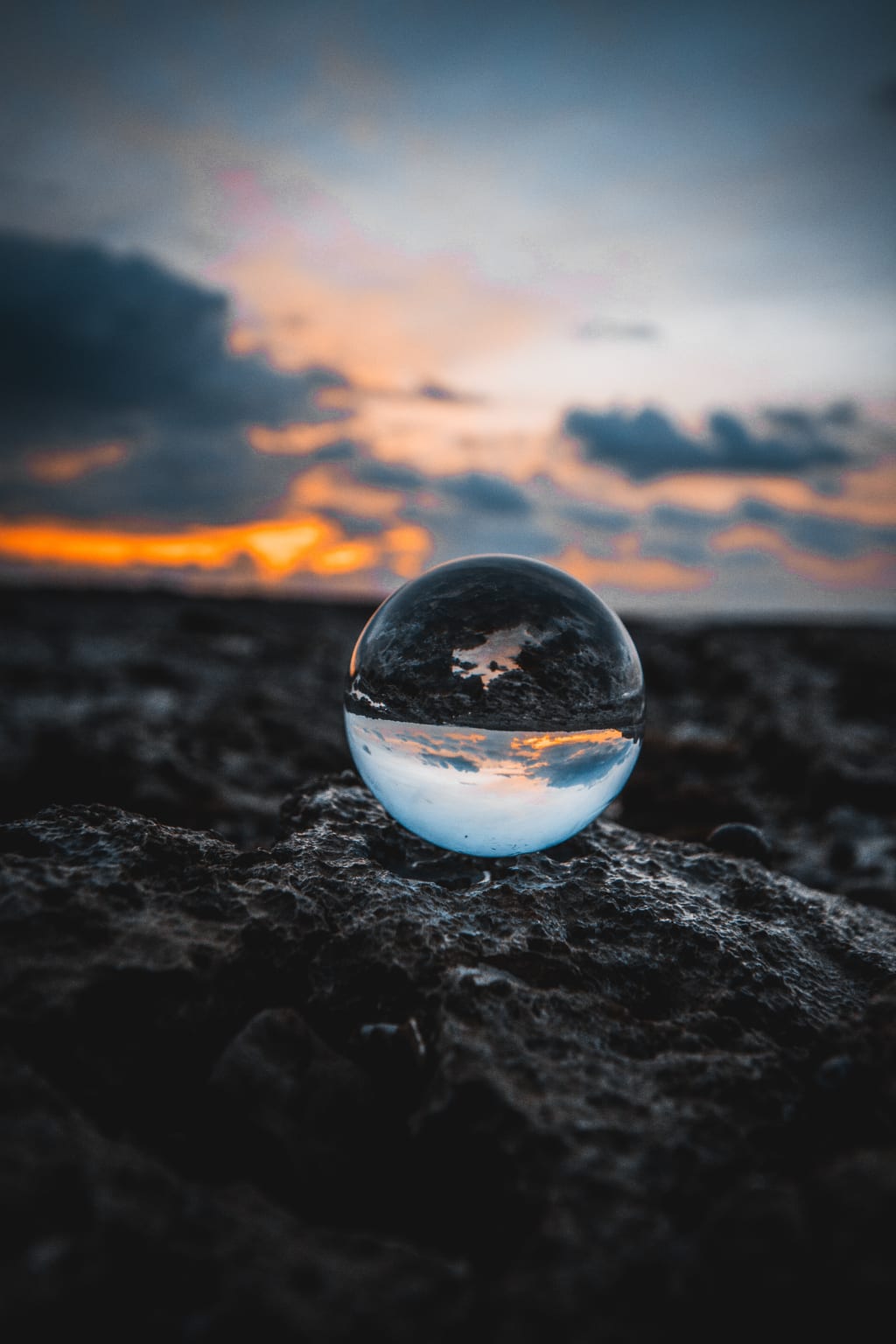
The intricate relationship between land and water on our planet is a fundamental factor that has shaped the Earth's climate, geography, and the evolution of life. Water, in particular, plays a pivotal role in making life possible, not only on Earth but also in our search for extraterrestrial life. When assessing the potential habitability of distant planets, scientists often focus on the presence of liquid water as a crucial indicator.
On Earth, water covers approximately 71% of the surface, mainly in the form of five vast oceans that collectively constitute a single global ocean. These oceans are more than just bodies of water; they regulate the planet's temperature, drive weather patterns, and provide a habitat for countless marine species. The interplay between ocean currents and atmospheric circulation influences the distribution of heat and moisture around the globe, helping to moderate climates and supporting a diverse range of ecosystems.
Considering the hypothetical scenario of replacing a significant portion of Earth's oceans with land, we delve into a world that starkly contrasts the one we know today. If about 25% of the ocean water were transformed into landmasses, the consequences would be profound. Sea levels would drop precipitously by around three kilometers, revealing vast stretches of new terrain. Coastal cities and regions would be transformed into sprawling plains, while underwater features such as deep ocean trenches would rise to the surface, forming towering mountain ranges and colossal canyons.
The reconfiguration of Earth's geography would extend far beyond these immediate changes. Former coastlines would become the new boundaries of the immense landmass, effectively connecting all the continents into one massive supercontinent. This new landmass would be equivalent in size to the combined surface areas of Asia, Europe, Africa, and North America. Such a dramatic shift could reshape the prospects of human migration and exploration, enabling us to traverse vast expanses of land that were once submerged beneath the oceans.
However, the allure of this new world comes with a set of complex challenges. The disruption of ocean currents, which act as the planet's natural heat distribution system, would have far-reaching consequences for the climate. The poles, already cold, would become even more frigid, while equatorial regions would experience intensified heat. This alteration in temperature patterns could trigger disruptions in ecosystems, threatening the delicate balance of species adapted to specific climatic conditions.
Perhaps even more concerning is the potential acceleration of climate change. Oceans are significant carbon sinks, absorbing a substantial portion of the carbon dioxide emitted into the atmosphere. With less water to absorb this greenhouse gas, excess carbon dioxide would linger in the atmosphere, leading to more rapid temperature increases and environmental shifts. Rainfall patterns would change, leading to widespread droughts and the emergence of new desert regions. Agriculture, water resources, and ecosystems would all be profoundly affected.
The reshaping of Earth's land-water balance would not only affect the physical environment but also the dynamics of human societies and cultures. As coastlines recede and landmasses expand, the concept of maritime trade and communication would be radically transformed. Nations that were once separated by vast ocean expanses would now share borders and common land boundaries. Migration patterns, settlement distribution, and resource allocation would all undergo significant changes.
In essence, while the idea of vast new land areas emerging from the oceans captivates our imagination, it serves as a reminder of the intricate interplay of Earth's systems that have evolved over millions of years. The equilibrium between land and water is a fundamental aspect of our planet's stability, supporting complex ecosystems, regulating climate, and providing the foundation for the diversity of life. As we confront the challenges of a changing climate and seek to understand our impact on the environment, appreciating the delicate balance between land and water becomes essential in safeguarding the habitability of our home planet for generations to come.
About the Creator
Enjoyed the story? Support the Creator.
Subscribe for free to receive all their stories in your feed.
Comments
There are no comments for this story
Be the first to respond and start the conversation.