
Early Morning Earthquake Rocks Southern California
Overview of the Earthquake


Introduction
In the early hours of a still and serene morning, Southern California was abruptly awakened by a seismic event of significant magnitude. This early morning earthquake not only jolted thousands of residents from their sleep but also left a lasting impact on the region's infrastructure, communities, and overall sense of security.
Overview of the Earthquake
The earthquake, measuring 6.8 on the Richter scale, struck Southern California at 3:42 AM when most residents were still in bed. The tremor's epicenter was located near Ridgecrest, a region known for its seismic activity due to its position along the Pacific Ring of Fire. The quake was felt as far away as Los Angeles, Las Vegas, and even parts of Arizona, making it a widespread event affecting millions.
The most heavily impacted areas included Ridgecrest itself and surrounding communities like Trona, where reports of extreme shaking and structural damage were most severe. In Ridgecrest, many homes and businesses suffered extensive damage, with reports of collapsing buildings, cracked walls, and dislodged roofs. Trona, on the other hand, faced severe infrastructural challenges, including damaged roads and ruptured water mains that left many without basic utilities.
The immediate aftermath of the earthquake saw chaos and confusion as residents tried to comprehend the scale of the disaster. Emergency evacuation orders were swiftly issued for the most affected areas, prompting people to flee their homes in the middle of the night. Many found temporary refuge in makeshift shelters set up by local authorities, while others flocked to open spaces, fearful of aftershocks. Communication lines were temporarily disrupted, adding to the sense of panic and isolation felt by residents.
Response and Rescue Efforts
In the hours immediately following the earthquake, Southern California's emergency response teams swung into action. The region's emergency services, including firefighters, paramedics, and police officers, were rapidly deployed to the most affected areas. Their primary focus was to rescue those trapped under debris, provide medical assistance to the injured, and restore a semblance of order amidst the chaos.
An essential component of the rescue efforts was the remarkable involvement of the community and volunteers. Neighborly goodwill shone through as individuals banded together to assist one another. Makeshift rescue teams composed of residents worked tirelessly alongside professional responders to search for survivors and provide urgent care. Volunteers also played a critical role in setting up and managing emergency shelters, ensuring displaced residents had access to necessities like food, water, and sanitation.
Despite the swift and dedicated response, emergency teams faced myriad challenges. The damage to roads hindered the movement of rescue vehicles, making it difficult to reach some of the worst-affected areas. Utility outages complicated rescue efforts further, as power cuts and downed communication lines restricted coordination. Additionally, the lingering threat of aftershocks meant that already compromised structures posed a continuous risk to both residents and responders, necessitating cautious and methodical operations.
Impact on Infrastructure
The earthquake's destructive force caused significant damage to Southern California's infrastructure. Buildings and homes in Ridgecrest and Trona bore the brunt of the seismic activity. In Ridgecrest, numerous residential structures were left uninhabitable due to collapsed walls, shattered windows, and caved-in roofs. Commercial buildings weren't spared either, with many businesses facing extensive structural damage that disrupted operations and put employees' livelihoods at risk.
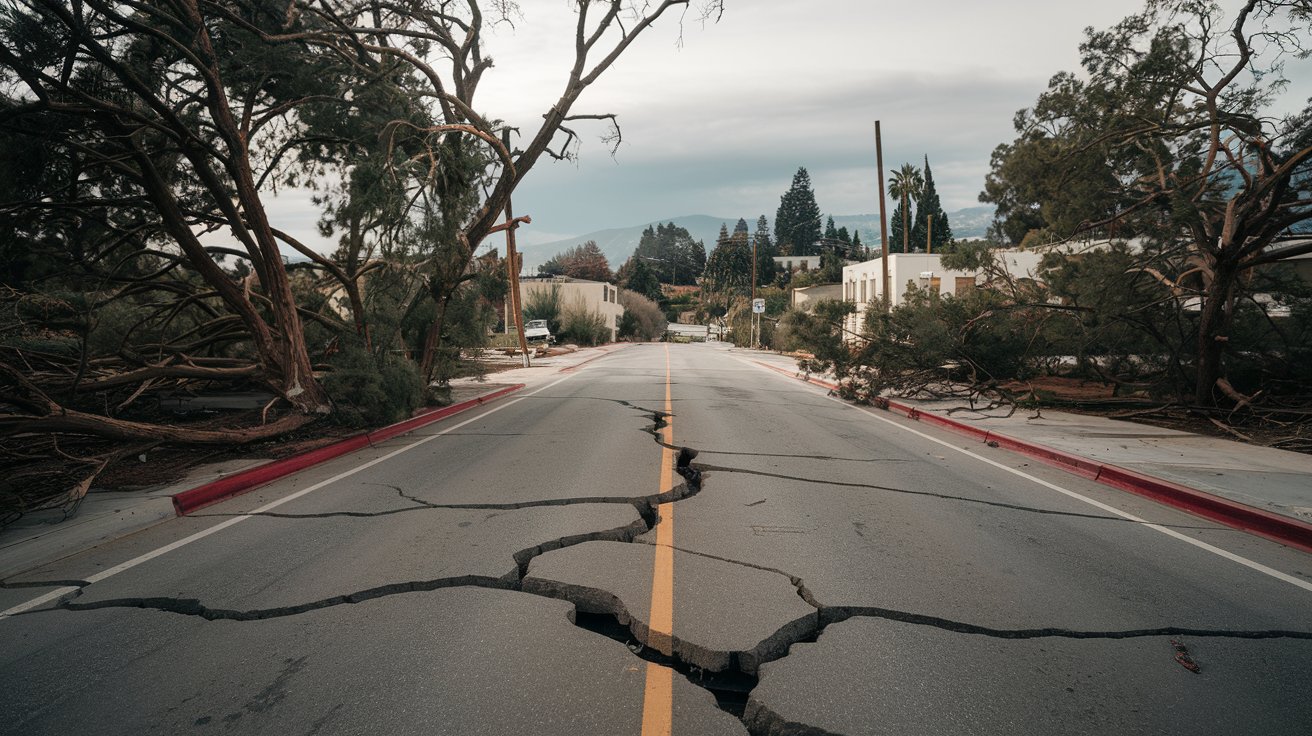
Transportation infrastructure was also severely disrupted. Key highways and roads serving the affected towns experienced cracks, fissures, and in some cases, complete collapses, rendering them impassable. This created logistical nightmares for emergency responders and complicated evacuation efforts. The railway lines running through the region suffered similar damage, delaying transportation services for both passengers and freight.
Utility outages became a critical issue in the wake of the earthquake. Damage to power lines and substations resulted in widespread blackouts, leaving thousands without electricity. Water mains and pipelines were also ruptured, causing significant water shortages just when the need for clean water was most acute. Utility companies and public works departments worked around the clock to restore services, but repairs were painstakingly slow due to the extent of the damage and the necessity for safety inspections before any repair work could commence.
Human Toll and Emotional Impact
The human toll of the earthquake was devastating, with authorities confirming multiple casualties and numerous injuries. Emergency services reported that the majority of the fatalities occurred due to buildings collapsing while victims were still inside. Additionally, many of the injured suffered from trauma caused by falling debris and accidents during the frantic attempts to escape collapsing structures.
Survivors' stories painted a harrowing picture of that fateful morning. Individuals recounted being abruptly woken up by the violent shaking and the sound of objects crashing onto the floor. One Ridgecrest resident described how the walls of his home cracked, and his roof partially collapsed, pinning him under debris until neighbors came to his rescue. Another survivor from Trona shared how she managed to gather her children and escape their home moments before a bookshelf toppled over, exactly where they had been moments before.
Beyond the physical injuries, the psychological and emotional effects of the earthquake were profound. Many residents experienced acute stress reactions, characterized by elevated heart rates, trembling, and a pervasive sense of fear and helplessness. Mental health professionals reported a surge in the number of individuals seeking counseling for anxiety, depression, and post-traumatic stress disorder (PTSD) in the aftermath of the quake. Community support groups and therapy sessions were organized to help residents process their trauma and begin the journey toward emotional recovery.
Government and Media Reactions
In the wake of the earthquake, government officials at local, state, and federal levels swiftly issued statements of solidarity and assurance. The Governor of California held a press conference to outline the state's immediate response efforts and emphasize the importance of community resilience. He also assured residents that state resources would be mobilized to aid in recovery and support the affected communities.
Media coverage of the earthquake was extensive, with news outlets from across the country converging on Southern California to provide live updates and in-depth reports on the disaster. This widespread media attention played a crucial role in disseminating critical information to the public. Updates on rescue operations, safety advisories, and instructions on accessing emergency services were broadcast repeatedly to ensure that residents stayed informed and could make the safest choices possible.
The media also helped highlight the stories of survivors and the heroic efforts of responders and volunteers, fostering a sense of community and shared grief. Public information campaigns were quickly launched to guide residents on how to apply for disaster assistance, locate emergency shelters, and access mental health resources. Social media platforms became vital tools for disseminating real-time updates, providing a space for community members to offer support and share resources.
Long-term Recovery Plans
As the immediate chaos subsided and response efforts gave way to long-term recovery planning, the focus shifted to rebuilding and strengthening community resilience. State and federal governments rolled out comprehensive rebuilding initiatives, providing financial assistance and resources to help residents rebuild their homes and businesses. Grants and low-interest loans were made available to expedite the reconstruction of critical infrastructure, including schools, hospitals, and transportation networks.
Support from the federal government was pivotal, with agencies like FEMA (Federal Emergency Management Agency) coordinating the distribution of disaster relief funds and providing technical expertise to aid the recovery process. Collaboration between state and federal entities aimed to ensure a streamlined and efficient recovery, minimizing bureaucratic hurdles and expediting assistance to those in need.
Community resilience emerged as a central theme in the recovery efforts. Local organizations spearheaded initiatives to prepare residents for future emergencies, emphasizing the importance of disaster preparedness and community cohesion. Workshops on earthquake readiness, first aid training, and community-building activities were organized to foster a culture of resilience and mutual support. These efforts aimed to not only repair physical damage but also strengthen the social fabric of the affected communities, ensuring they would be better equipped to handle future challenges.
Conclusion
The early morning earthquake that shook Southern California left a lasting imprint on the region's landscape and its people. From the immediate aftermath marked by chaos and confusion to the robust response efforts and the ongoing journey toward recovery, every stage of this disaster has showcased the resilience and solidarity of the affected communities. As rebuilding continues and lessons are learned, Southern California stands as a testament to the power of unity and preparedness in the face of natural calamities.
About the Creator
Enjoyed the story? Support the Creator.
Subscribe for free to receive all their stories in your feed.
Comments
There are no comments for this story
Be the first to respond and start the conversation.