
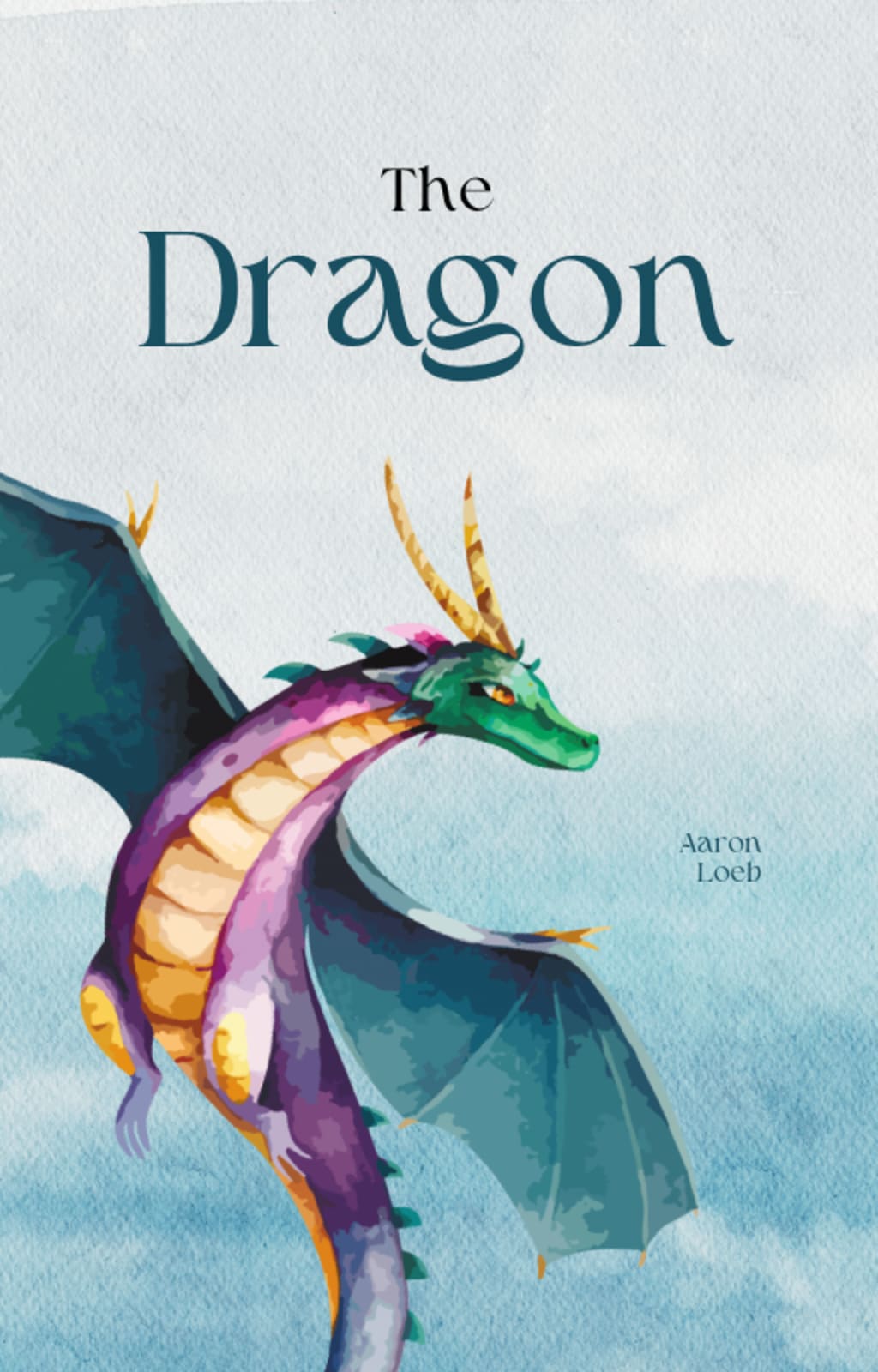
Dragons: Myth or Reality?
Throughout human history, dragons have captured our imagination and fueled our imaginations. These mythical creatures, portrayed as fearsome, fire-breathing beasts, have been featured in countless stories, legends, and works of art. But are dragons nothing more than figments of our imagination, or could they have once roamed the Earth?
The origins of dragon mythology can be traced back to ancient civilizations such as the Egyptians, Greeks, and Chinese. In each culture, dragons were revered as powerful beings, often associated with wisdom, protection, and even the creation of the world. These early depictions of dragons were not the monstrous creatures we envision today; rather, they were more like serpents or snake-like creatures with supernatural abilities. While the existence of dragons in the literal sense is highly unlikely, there may be some truth behind the myth. It is possible that early humans encountered large reptiles, such as crocodiles or Komodo dragons, and their encounters with these formidable creatures inspired the creation of dragon legends. Additionally, fossil evidence suggests that some dinosaurs, such as the pterosaurs, may have had winged appendages, which could have influenced the portrayal of dragons as flying creatures. Another theory suggests that ancient humans may have stumbled upon the bones of large, extinct animals and misinterpreted them as dragon remains. Fossils of prehistoric creatures such as dinosaurs or even large mammals like the woolly mammoth could have easily been misconstrued as the remains of mythical creatures. Furthermore, dragons may have served as a symbolic representation of the forces of nature. In many ancient cultures, dragons were seen as guardians of water sources, such as rivers and lakes. They were believed to have the power to control rain and ensure a bountiful harvest. This symbolism may have originated from the observation of the powerful and destructive forces of natural disasters like floods or volcanic eruptions. Despite the lack of concrete evidence for the existence of dragons, the fascination with these creatures continues to this day. Dragons have become an integral part of modern popular culture, appearing in books, movies, video games, and even theme parks. They represent power, courage, and the triumph of good over evil. In recent years, scientists have made discoveries that shed light on the possible origin of dragon myths. For example, the discovery of dinosaur fossils with feathers in China has led some to speculate that these creatures may have also had wings, resembling the dragons depicted in ancient legends. This connection between dinosaurs and dragons has sparked renewed interest in the possibility that dragons could have once existed.
Additionally, advancements in genetics and bioengineering have opened up new possibilities for creating creatures that resemble the mythical dragons of our imagination. Scientists have successfully genetically modified animals to exhibit unique traits, such as glowing in the dark or adapting to extreme environments. While the creation of a real-life dragon may still be far-fetched, these advancements bring us closer to the possibility of recreating creatures with some dragon-like qualities. dragons are undoubtedly products of human imagination and storytelling. However, there may be some basis in reality for the creation of these mythical creatures. Whether inspired by encounters with large reptiles or the misinterpretation of ancient bones, dragons have left an indelible mark on human culture and continue to fascinate people across the globe. While we may never know for certain if dragons truly existed, their enduring presence in our mythology serves as a testament to the power of human imagination.
About the Creator
Enjoyed the story? Support the Creator.
Subscribe for free to receive all their stories in your feed.
Comments
There are no comments for this story
Be the first to respond and start the conversation.